Albuquerque ABQ the Plan
Core idea
River, Route 66, rail corridor
Why it matters
Mid-sized city reinvention
Description
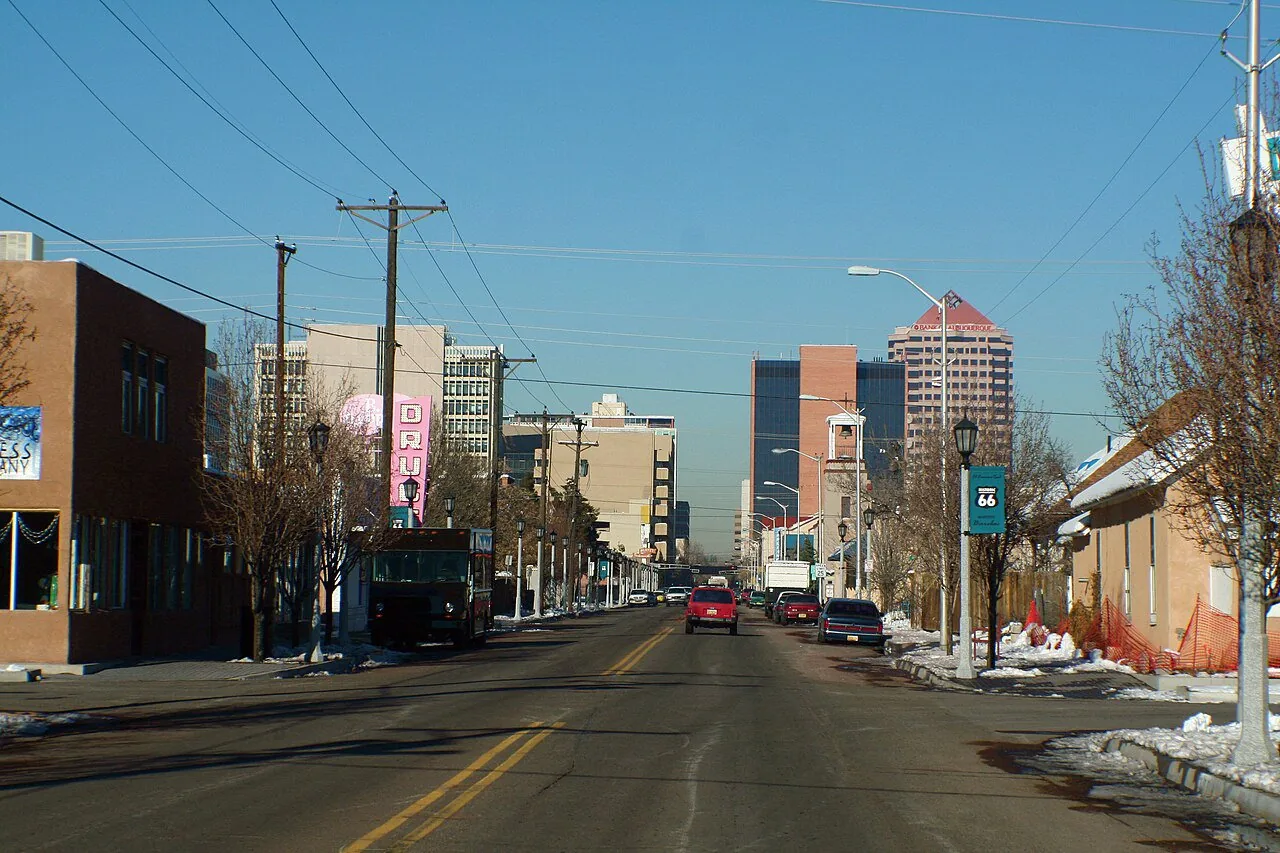
ABQ the Plan was a 2013 initiative of the City of Albuquerque, New Mexico, in the United States, setting out a portfolio of catalytic projects to reposition the mid-sized city around its principal assets: the Rio Grande riverfront, the historic Route 66/Central Avenue corridor, and rail connections at the downtown Alvarado transit centre. Elements included riverfront trail and open-space improvements, downtown and Central Avenue revitalisation, and groundwork for what became the Albuquerque Rapid Transit bus corridor along Central Avenue.
Significance
The plan typifies the 2010s strategy of mid-sized American cities using targeted catalytic projects and corridor transit rather than comprehensive rezoning to spur reinvention. Its legacy is visible chiefly in the contested but completed ART bus rapid transit line on Route 66, one of the more prominent BRT retrofits of a historic commercial strip in the United States. It is a modest but representative case of corridor-focused, asset-based planning in the Sun Belt and Mountain West.
What shaped it
- Transit-oriented development (TOD) (1993)
- The compact city (1973-1990s)
- Bus Rapid Transit (BRT) (1974)
Sources
- https://www.cabq.gov/web-administration/past-administration-councilor-page-archives/old-mayor-be
- https://www.cabq.gov/planning/documents/JanFeb2013.pdf