Amaravati Capital City (stalled)
Core idea
Riverfront capital plan
Why it matters
Large-scale but politically fraught capital project
Description
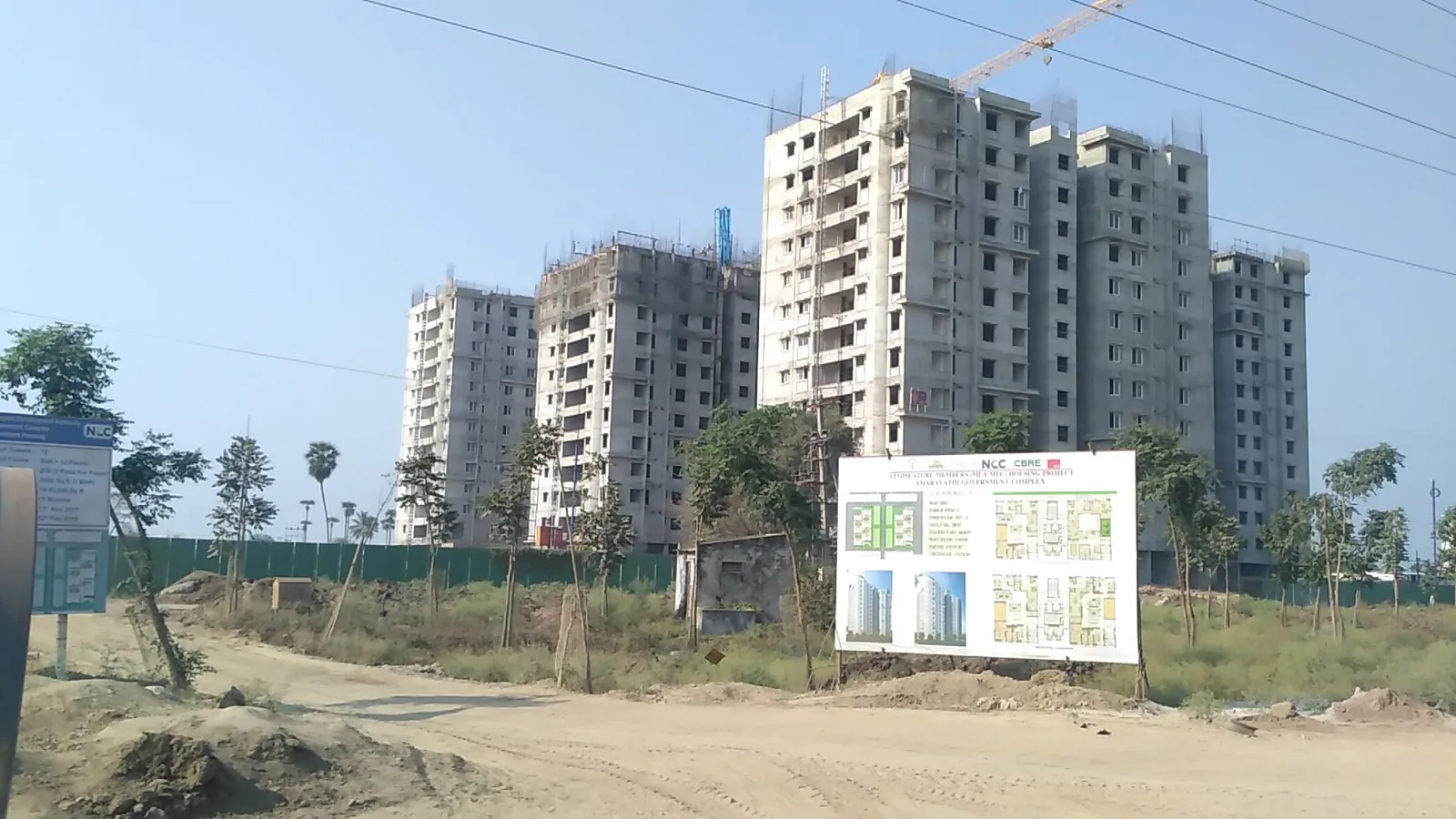
Amaravati was conceived from 2015 as a new greenfield capital for Andhra Pradesh on the banks of the Krishna River, after the state lost Hyderabad in the bifurcation that created Telangana. Planned through the Andhra Pradesh Capital Region Development Authority, with Singaporean agencies involved in early masterplanning and Foster + Partners designing the riverfront government complex, it proposed a large gridded capital city assembled largely through a land-pooling scheme with farmers. The project stalled after a change of state government in 2019 proposed decentralising the capital, and was later revived.
Significance
Amaravati has become a leading contemporary example of the politically contingent nature of capital-city building, in a lineage running from Canberra and Chandigarh to Naypyidaw. Its land-pooling model attracted international attention as an alternative to compulsory acquisition, while its suspension fuelled debates about speculative urbanism, farmer dispossession and the wisdom of monumental greenfield capitals. Its fluctuating fortunes track directly with electoral cycles, making it a case study in the fragility of long-horizon state projects.
What shaped it
- The master plan (early 20th c.)
- Plan of Chicago (1909)
- UN 2030 Agenda & Sustainable Development Goals (2015)
- World becomes majority urban (2007)
Sources
- https://www.fosterandpartners.com/projects/amaravati-masterplan/
- https://bustler.net/news/6537/foster-partners-develop-a-master-plan-for-amaravati-the-new-capita