Ankara 2023 Plan
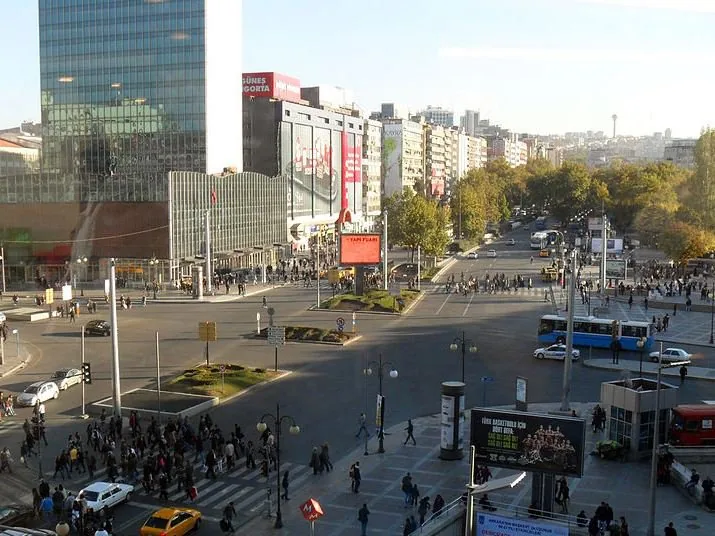
Core idea
Ring corridors + green system
Why it matters
Update to Jansen logic under modern conditions
Description
The Ankara 2023 Capital Master Plan, approved in 2007 by the Ankara Metropolitan Municipality, is the metropolitan master plan for the Turkish capital, prepared to guide development to the republic's centenary year of 2023. It organised the expanding metropolis through ring and radial development corridors, decentralised sub-centres and a green system drawing on the valleys and open lands around the city, updating for modern conditions the structural logic descended from Hermann Jansen's 1932 plan for the early republican capital. It covered the whole enlarged metropolitan municipality area.
Significance
The plan is significant as the principal contemporary restatement of planned development for a capital city whose identity was founded on republican-era master planning, extending the Jansen lineage of green wedges and controlled growth to a metropolis of millions. It exemplifies Turkish metropolitan planning's turn to polycentric corridor structures amid rapid, often plan-exceeding growth and large state housing operations. Debates around it concern the gap between corridor-and-green-system intentions and the actual dynamics of mass housing and peripheral expansion in 2000s Turkey.
What shaped it
- Transit-oriented development (TOD) (1993)
- The green belt (1898 concept / 1938 law)
- World becomes majority urban (2007)
- The master plan (early 20th c.)
Sources
- https://www.arl-international.com/sites/default/files/2024-05/Fact%20Sheet%201%20Metropolitan%20
- https://s.ankara.bel.tr/files/9613/6378/3698/K13_513.doc