Bagan (Pagan Kingdom)
Core idea
Sacred landscape of 2,000+ Buddhist temples and monasteries across a walled riverine plain
Why it matters
Buddhist sacred urbanism at monumental scale; counterpart to Angkor in Theravada tradition
Description
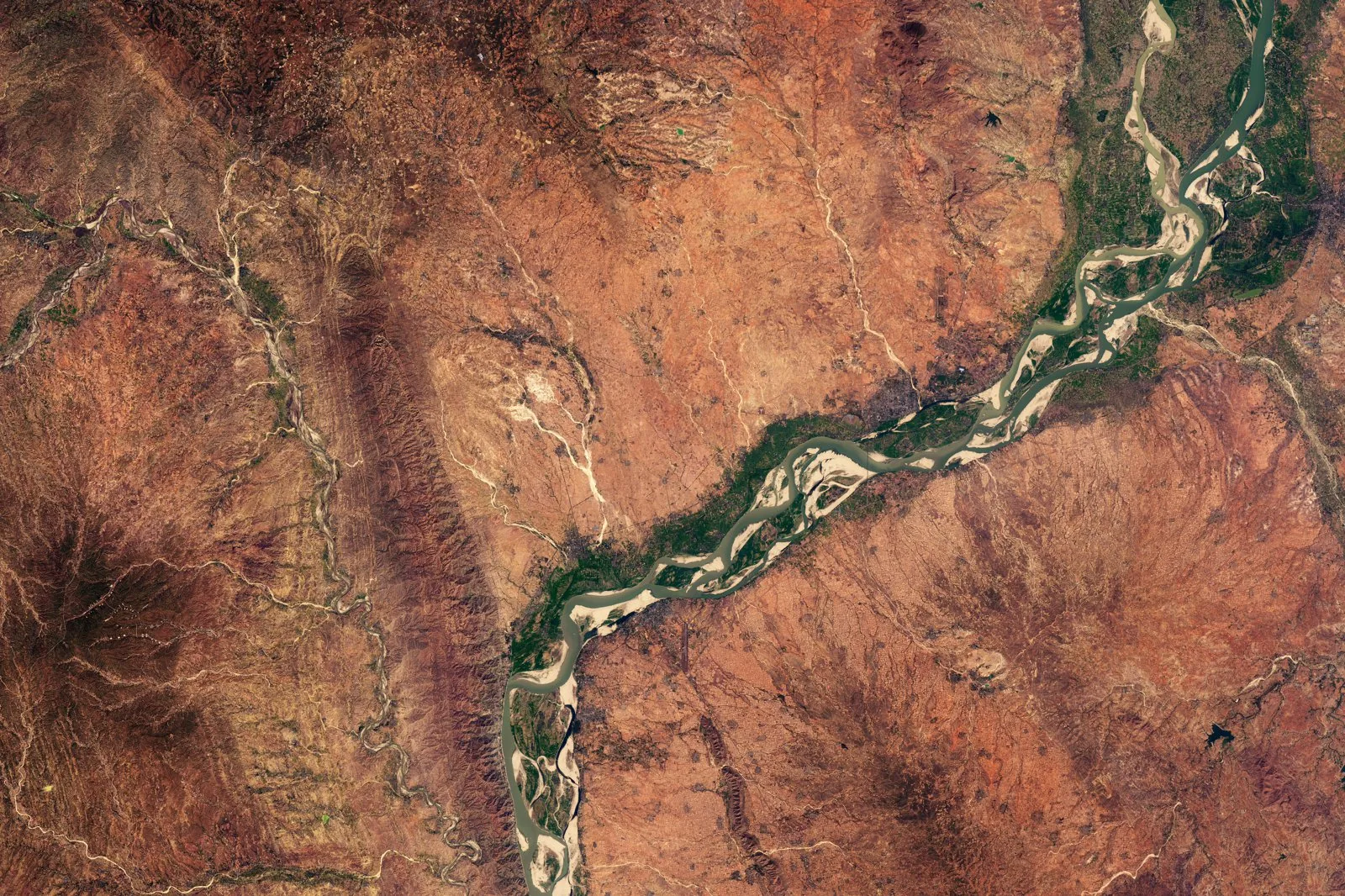
Bagan, capital of the Pagan kingdom in present-day Myanmar, developed between the ninth and thirteenth centuries on a bend of the Irrawaddy river. Successive kings and donors covered the walled city and its surrounding plain with several thousand Buddhist temples, stupas and monasteries, of which over two thousand survive, creating a sacred landscape in which religious monuments rather than streets or walls give the settlement its structure.
Significance
Bagan represents Buddhist sacred urbanism at monumental scale and is the great Theravada counterpart to Angkor, showing merit-making donation as a force capable of generating an entire urban landscape. Inscribed as a UNESCO World Heritage site, it figures prominently in discussions of dispersed, ceremonial forms of urbanism that challenge compact, wall-bound definitions of the city.
What shaped it
- Buddhism (c. 5th c. BCE)
- The Buddhist stupa and vihara settlement (c. 3rd c. BCE onward)
Sources
- https://en.wikipedia.org/wiki/Bagan
- https://www.worldatlas.com/heritage-sites/temples-of-bagan-myanmar.html