Great Zimbabwe
Core idea
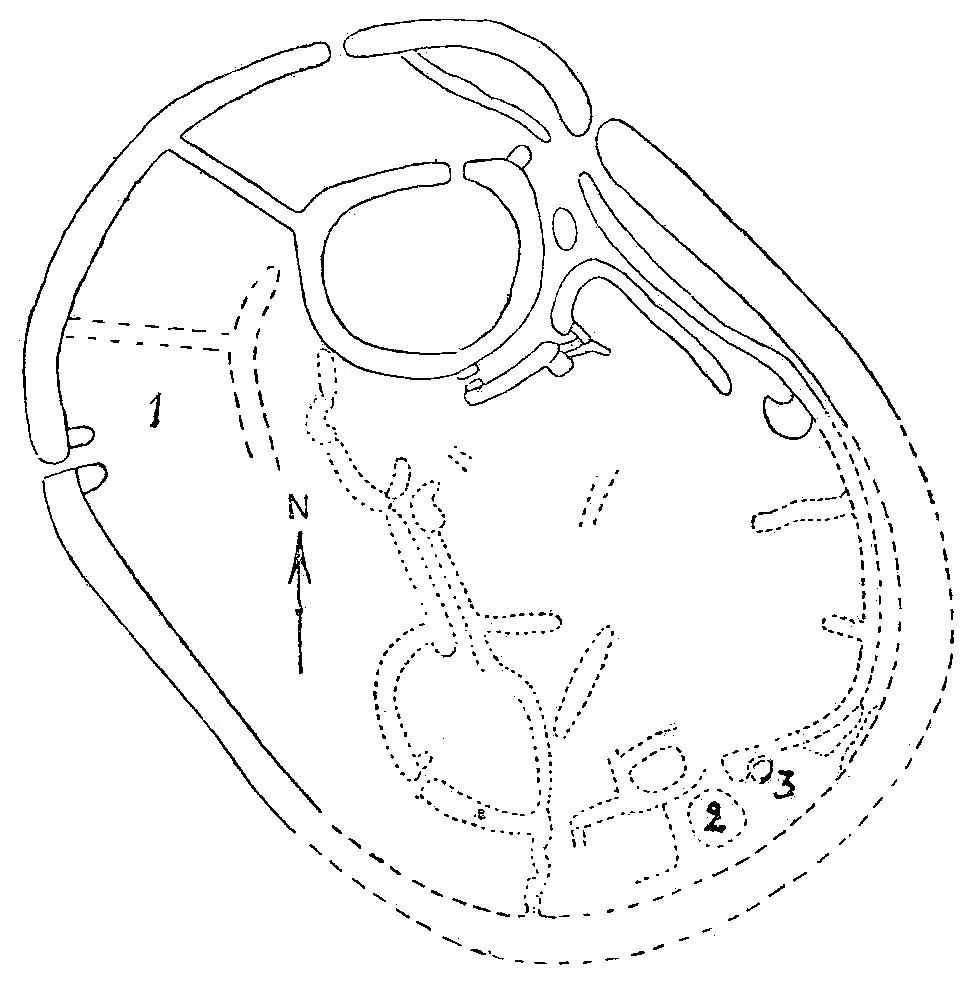
Stone-walled enclosures (Great Enclosure, Hill Complex) organizing elite, ritual, and residential zones without mortar
Why it matters
Largest stone structure in pre-colonial sub-Saharan Africa; proof of sophisticated African urban planning independent of external influence
Description
Between the 11th and 15th centuries, the capital of the Kingdom of Zimbabwe grew into the largest stone complex in sub-Saharan Africa: the hilltop 'Hill Complex,' the curving drystone walls of the Great Enclosure, and a valley of dwellings, all built without mortar from precisely fitted granite blocks. It commanded the gold trade linking the interior to the Swahili coast and supported a population of perhaps 18,000.
Significance
Great Zimbabwe is decisive proof of sophisticated, indigenous African urban planning — a fact long denied by colonial regimes that fabricated foreign origins for it. It anchors a continental story of African city-building on African terms and lends its name to the modern nation.
What became of it
Flourished as the capital of a gold- and ivory-trading state in the 13th-15th c., then declined and was abandoned in the 16th-17th c., probably from trade shifts, resource/environmental depletion and elite migration northward; the stone walls survive as ruins and a UNESCO site.
Critique
Colonial-era authorities long denied its indigenous African origin (attributing it to Phoenicians or the Queen of Sheba), and Rhodesian governments censored archaeologists who confirmed Bantu builders - a politicised distortion only fully overturned by the mid-20th c.
What shaped it
- The trans-Saharan gold-and-salt economy (c. 8th–16th c. CE)
- Ife and the Yoruba sacred-city cosmology (c. 11th–15th c. CE)