Istanbul Henri Prost Plan
Core idea
Modern boulevards, parks, vistas
Why it matters
Inserted modern structure into historic core
Description
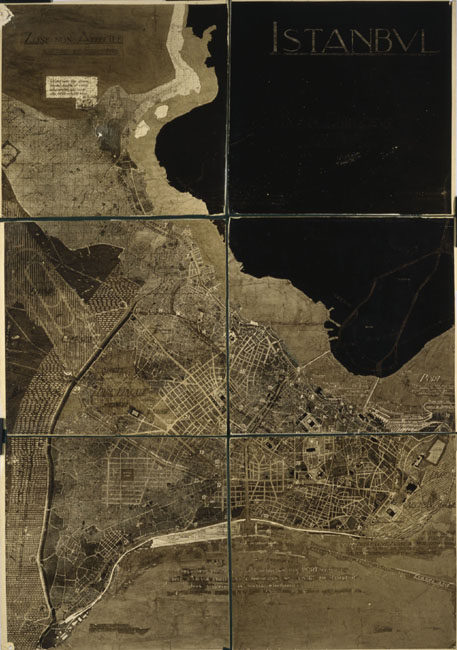
A master plan for Istanbul prepared by Henri Prost, who was invited by the Turkish Republic in 1936 and directed planning of the city until 1951. The plan drove new boulevards such as Atatürk Bulvarı through the historic peninsula, created large public parks and squares including the Taksim area and its promenade, and imposed height limits and archaeological zones to protect the silhouette of the old city. It was partially implemented before and after his departure, and its road proposals informed the sweeping demolitions of the Menderes era in the late 1950s.
Significance
Prost's Istanbul work is a major case of inserting modern circulation and open space into a layered historic metropolis, balancing conservation servitudes against Republican ambitions to secularise and modernise urban space. Its legacy is contested, credited with early heritage zoning yet implicated in the clearances that later transformed the historic peninsula.
What shaped it
- The boulevard (17th–19th c.)
- The public park (1843–1858)
- Zoning (1884 Germany / 1916 NYC)
- Cities in Evolution (1915)