Kazan 2035 Strategy
Core idea
Riverfront, sports legacy, mobility
Why it matters
Showcase of mid-Russia urban modernization
Description
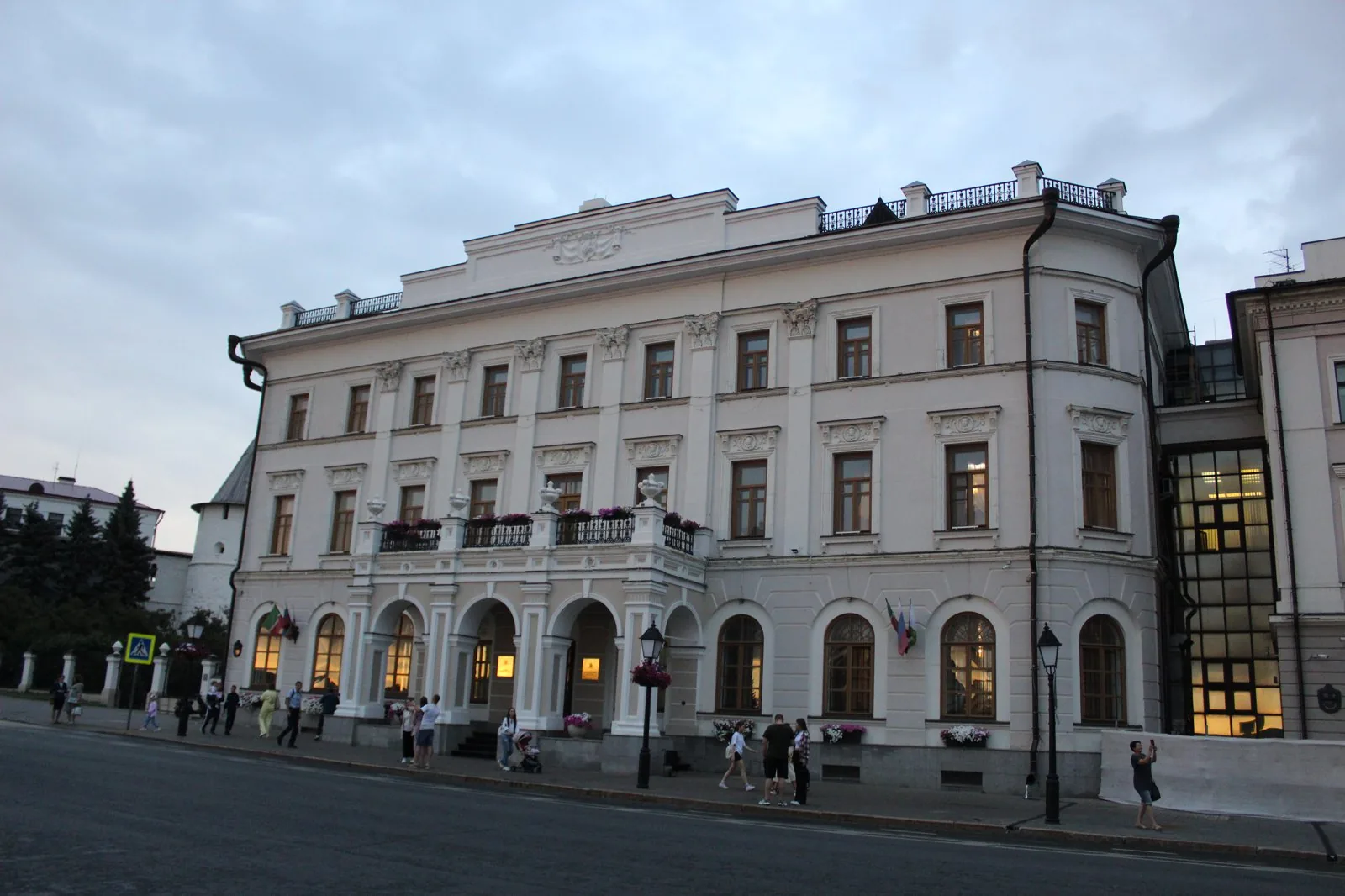
A development strategy for Kazan, capital of the Russian republic of Tatarstan, adopted around 2017 with a 2035 horizon. It builds on the city's run of event-led investment — most prominently the 2013 Summer Universiade and 2018 World Cup — to reorient planning towards the Volga and Kazanka riverfronts, public space and embankment programmes, sports legacy reuse and improved mobility. The strategy was produced by the city with republican backing, alongside Tatarstan's widely noted public spaces programme.
Significance
Kazan became the showcase of urban modernisation in provincial Russia during the 2010s, demonstrating how mega-events and oil-funded regional government could be converted into a sustained public realm agenda. Its riverfront and park projects influenced the federal 'comfortable urban environment' programme, while critics note the model's dependence on centralised resources and its showcase character relative to ordinary housing districts.
What shaped it
- Urban resilience (2013)
- SDG 11 — Sustainable Cities (2015)
- The master plan (early 20th c.)
Sources
- https://www.leekuanyewworldcityprize.gov.sg/case-studies/kazan-sports/
- https://realnoevremya.com/articles/6057-kazan-amending-strategy-2030