Milan Scali Ferroviari (Farini, Romana, etc.)
Core idea
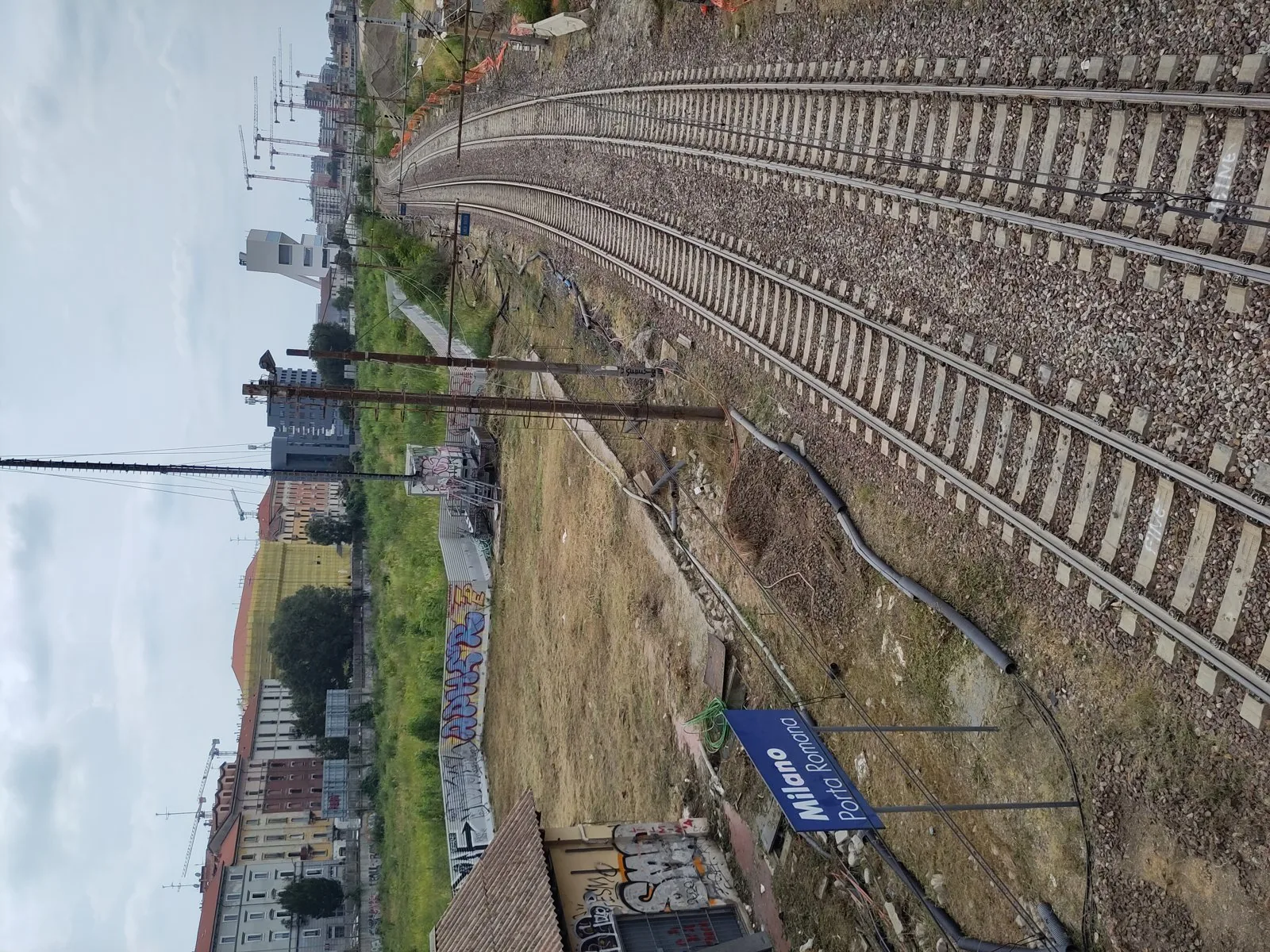
Rail yard redevelopments into mixed-use eco-districts
Why it matters
Massive inner-urban land release
Description
A co-ordinated redevelopment of seven disused railway yards ringing Milan, enabled by a 2017 programme agreement between the state railway property arm FS Sistemi Urbani, the Comune di Milano and the Lombardy region. The largest sites, Farini in the north-west and Porta Romana in the south-east, are being transformed into mixed-use eco-districts combining housing, parks and workspace, with masterplans selected through international competitions; Porta Romana hosts the 2026 Winter Olympics athletes' village. A share of value is directed to affordable housing and a green 'circle' linking the yards.
Significance
The Scali Ferroviari constitute one of Europe's largest inner-city land releases, extending Milan's post-industrial regeneration lineage from Bicocca and Porta Nuova into the 2020s. The operation is studied for its negotiation between a state landowner seeking value and a city seeking public benefit, and for tying rail-land redevelopment to climate and affordability goals — while also feeding debates on Milan's rising housing costs and event-driven development.
What shaped it
- Landscape urbanism (Waldheim) (1997-2006)
- The compact city (1973-1990s)
- SDG 11 — Sustainable Cities (2015)
- Transit-oriented development (TOD) (1993)
Sources
- https://en.wikipedia.org/wiki/Scalo_Romana
- https://www.covivio.eu/en/real-estate-insights/experts-views/milan-gives-its-railway-stations-a-