Montevideo Mobility Plan
Core idea
BRT/priority corridors
Why it matters
Transit enhancement in a compact capital
Description
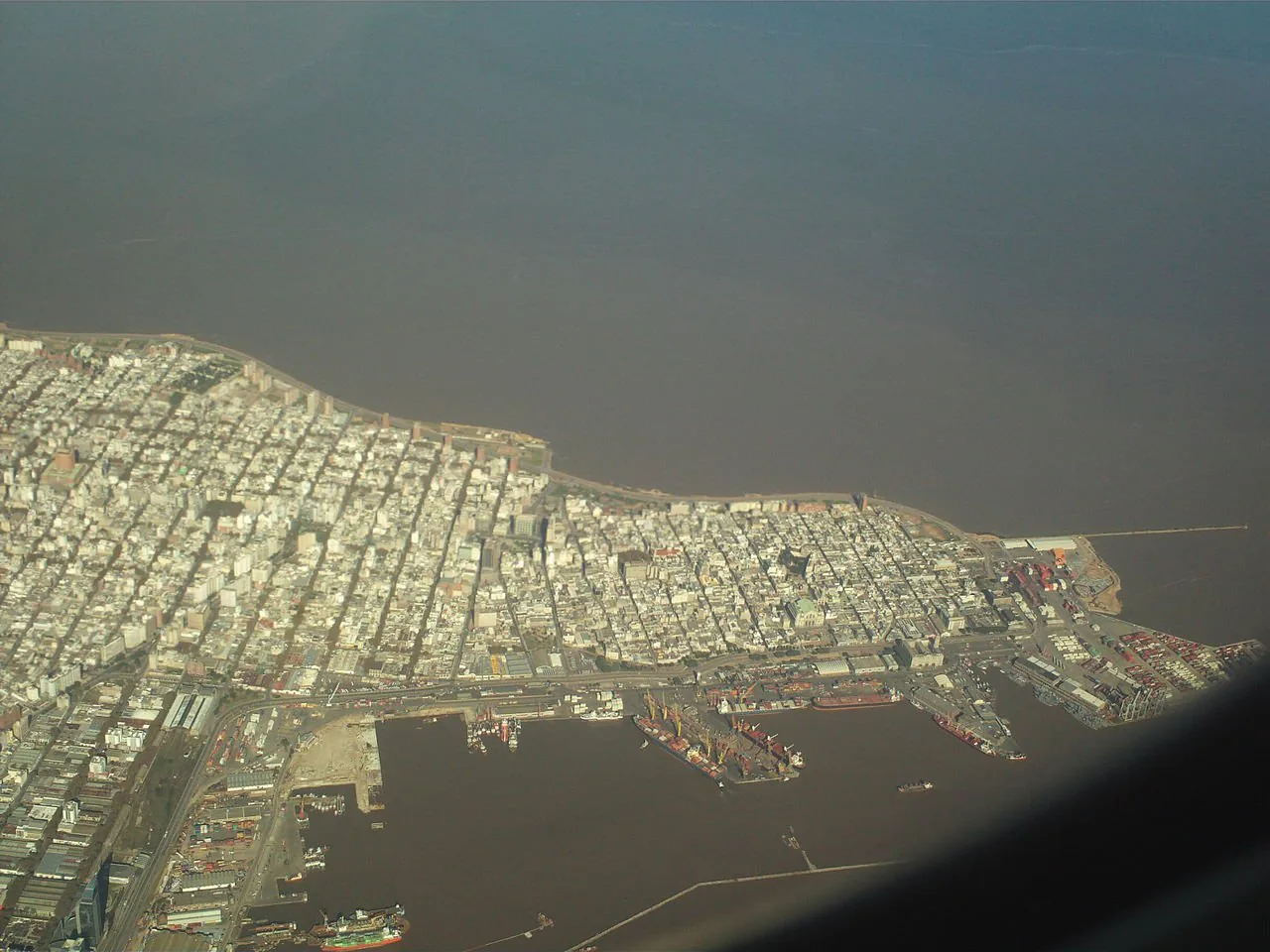
The Montevideo Mobility Plan, advanced by the Intendencia de Montevideo in the mid-2010s, sought to reorganise transport in the Uruguayan capital around prioritised public transport corridors and an upgraded bus system. Building on the earlier Plan de Movilidad of 2010, it promoted BRT-style priority lanes on key avenues such as Garzón, interchange terminals, and integrated fares through the Sistema de Transporte Metropolitano. The plan operates at the scale of a compact capital of some 1.3 million people dominated by bus transport.
Significance
Montevideo's experience shows a more incremental Latin American path to transit reform than the flagship BRT systems of Curitiba or Bogotá, working through corridor upgrades within an established public bus monopoly. The mixed results of its first corridors have informed regional debates on the political and technical conditions needed for bus priority to deliver genuine service improvement.
What shaped it
Sources
- https://montevideo.gub.uy/areas-tematicas/movilidad/transito/corredores
- https://observatorioplanificacion.cepal.org/es/plan-movilidad/plan-de-movilidad-montevideo