Nanjing Hexi New Town
Core idea
Jiangxinzhou island development and CBD
Why it matters
Large river island urbanization
Description
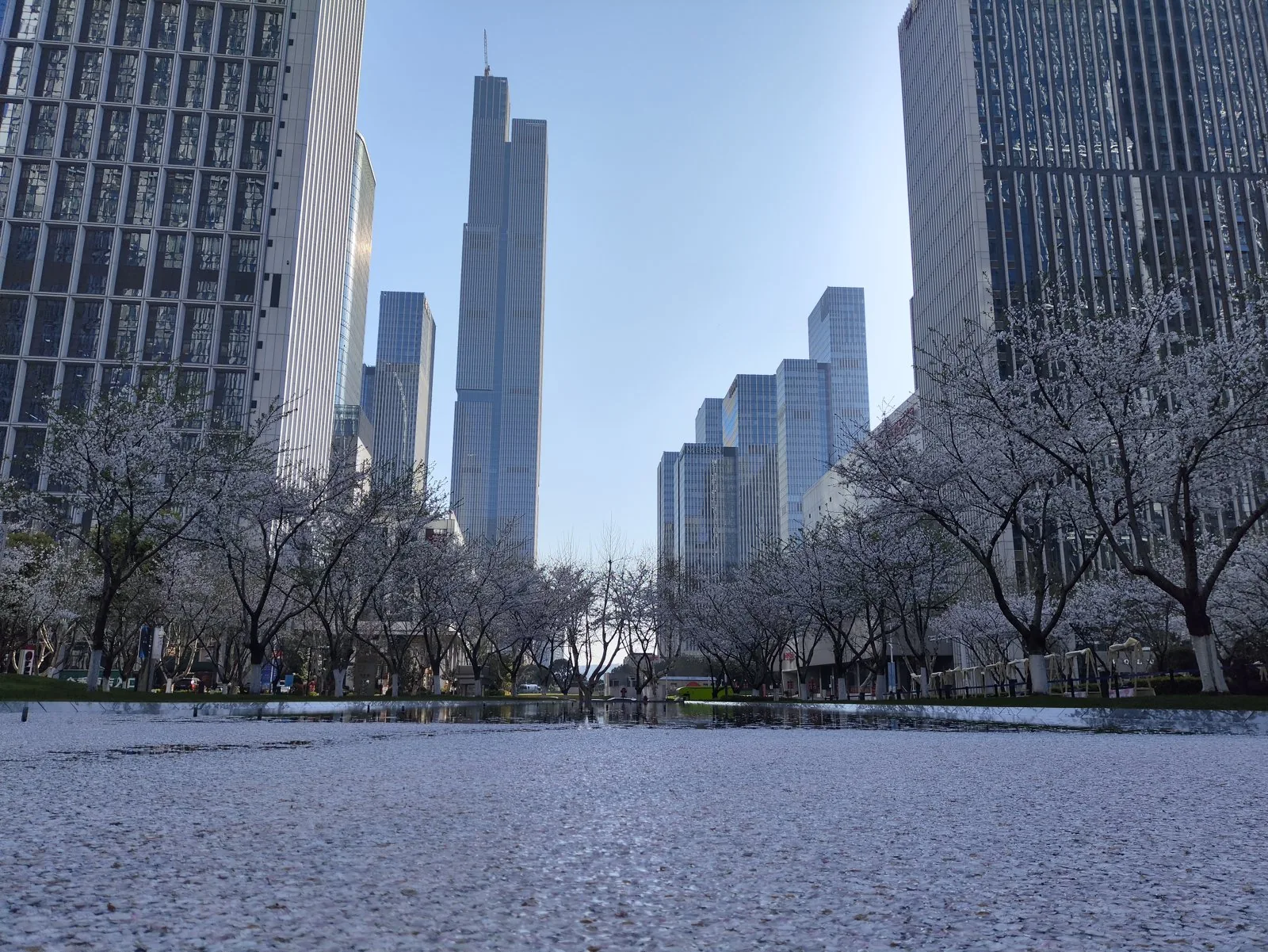
Hexi New Town is a large planned urban extension of Nanjing begun in 2002 under the municipal government, occupying the low-lying land between the old city and the Yangtze River and including the development of Jiangxinzhou island in the river. The plan established a new central business district, government and cultural facilities, metro lines and extensive housing, in part accelerated by Nanjing's hosting of major national sporting events. It represents city-building at the scale of hundreds of thousands of residents on formerly agricultural and floodplain land.
Significance
Hexi exemplifies the Chinese new-town model of the 2000s, in which municipal governments used land development and event deadlines to construct entire secondary city centres within a generation. The urbanisation of a major river island raised questions about flood risk and ecology that recur in Yangtze delta planning, and the district is frequently cited in discussions of how decentralisation strategies were adapted to Chinese state-led growth.
What shaped it
- China's reform & opening (1978)
- The skyscraper (1885)
- Floor Area Ratio (FAR/FSI) (20th c.)
- The master plan (early 20th c.)
Sources
- https://journals.sagepub.com/doi/abs/10.1177/23996544241246944
- https://www.tvsdesign.com/projects/project-detail/nanjing-hexi-mixeduse-development/