Odense Tram & Thomas B. Thriges Gade
Core idea
Road removal + tram spine
Why it matters
Street to city conversion model
Description
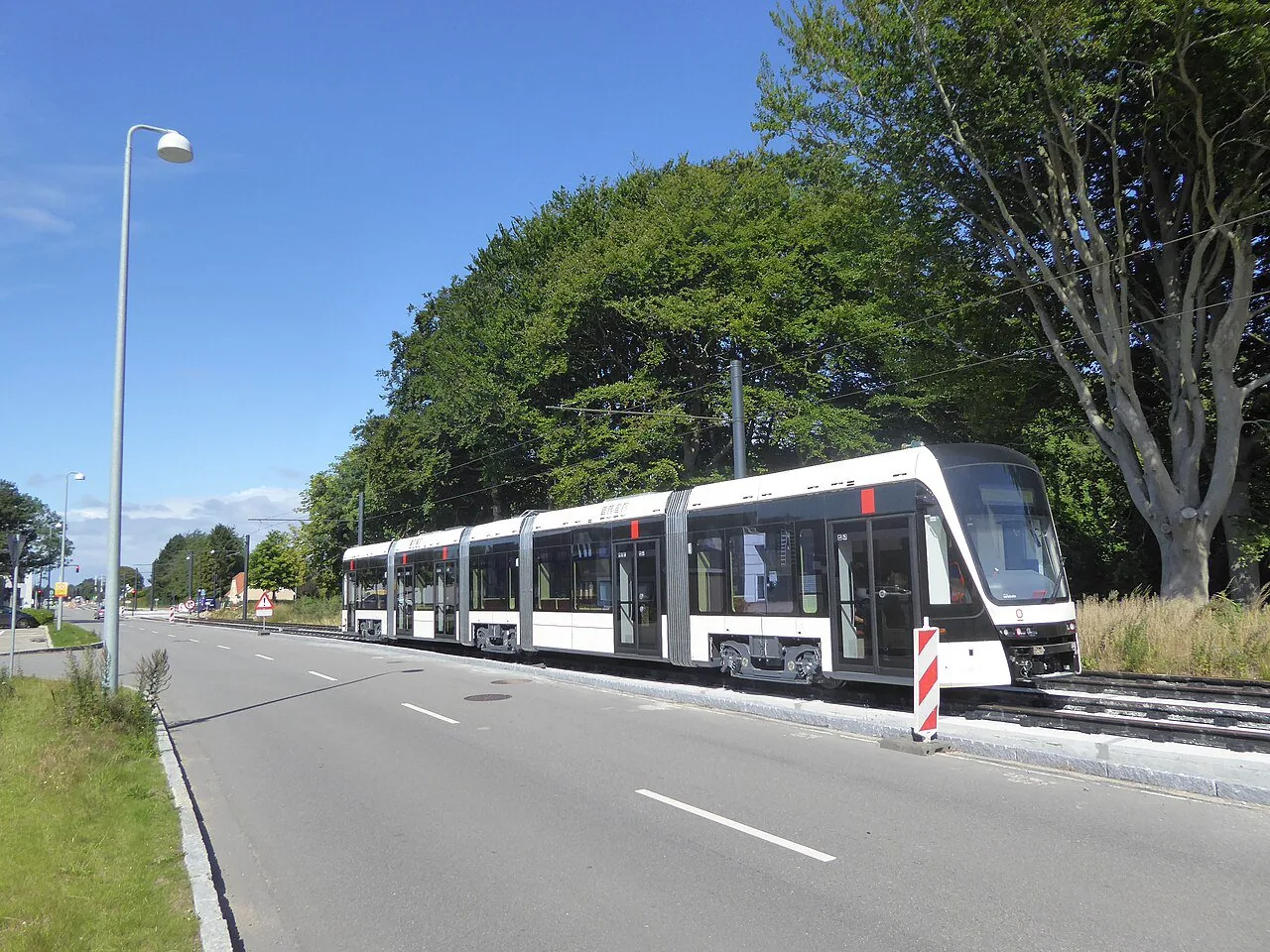
From the mid-2010s Odense Municipality in Denmark pursued two linked transformations: the conversion of Thomas B. Thriges Gade, a four-lane road driven through the medieval centre in the 1960s, into a car-free quarter of housing, cultural buildings and public space above an underground car park; and the construction of the Odense Letbane, a tram line opened in 2021 forming a new public transport spine through the city. Together they reoriented Denmark's third city from road capacity towards walking, cycling and tram-based mobility.
Significance
The Thomas B. Thriges Gade project has become a European exemplar of motorway-era road removal and 'street to city' repair, demonstrating that reversing 1960s traffic engineering in a historic core is both feasible and popular. Paired with the tramway, Odense illustrates the mid-sized city version of the sustainable mobility transition that has shaped Danish and wider Nordic planning debate.
What shaped it
- The street tram / streetcar (1832 horse / 1881 electric)
- The pedestrian zone (1953)
- Life Between Buildings (1971)
Sources
- https://www.archdaily.com/216799/thomas-b-thriges-gade-2012-2020
- https://en.wikipedia.org/wiki/Odense_Letbane