Ordos Kangbashi
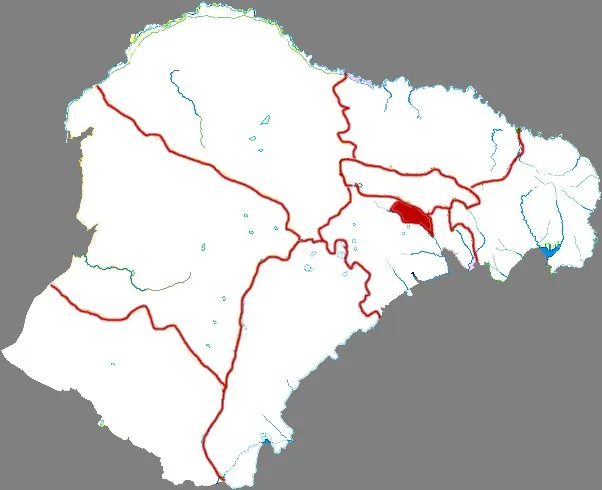
Core idea
Monumental new district
Why it matters
Cautionary tale on timing & demand
Description
Kangbashi is a monumental new district of Ordos in Inner Mongolia, launched around 2003 by the local government some distance from the existing urban centre of Dongsheng. Funded by the region's coal boom, the plan laid out a vast civic axis with government buildings, museums, a library, theatre and plazas at metropolitan scale, surrounded by superblocks of housing built well ahead of demand.
Significance
Kangbashi became internationally famous as the archetypal Chinese 'ghost city' when its completed districts stood largely empty, making it a cautionary tale about the timing and demand assumptions of state-led megaprojects. Its gradual subsequent population growth has complicated that narrative, and the district remains central to debates about land-finance-driven urbanisation and the risks of building cities in advance of their inhabitants.
What shaped it
- China's reform & opening (1978)
- The master plan (early 20th c.)
Sources
- https://en.wikipedia.org/wiki/Kangbashi_District
- https://www.thechinastory.org/yearbooks/yearbook-2017/forum-borderlands/kangbashi-the-richest-gh