Plan Melbourne 2017–2050
Core idea
20-minute neighborhoods + rail projects
Why it matters
Integrated growth and mobility
Description
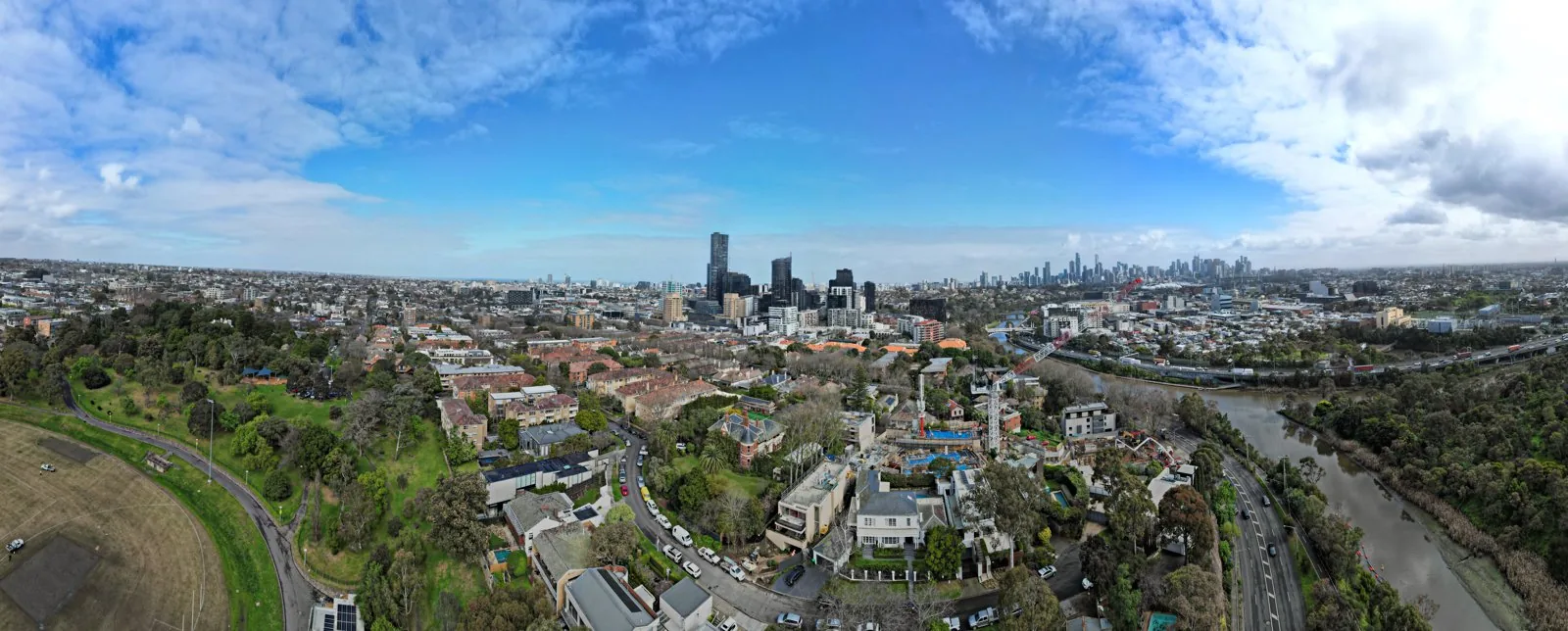
Plan Melbourne 2017–2050 is the Victorian State Government's long-range metropolitan strategy for greater Melbourne, prepared to guide the city's growth towards a projected population of around eight million. It pairs a polycentric structure of national employment and innovation clusters with the concept of 20-minute neighbourhoods, in which daily needs can be met within a short walk or cycle of home. The plan is coordinated with major rail investments, including the Metro Tunnel, and sets directions for housing, economy, transport and the protection of the city's green wedges and peri-urban landscapes.
Significance
The plan is among the most cited contemporary examples of integrating land use and transport at the metropolitan scale, and its 20-minute neighbourhood concept helped popularise proximity-based planning internationally, anticipating the '15-minute city' debate. It also continues Melbourne's long tradition of metropolitan strategy-making stretching back to the 1954 and 1971 plans, though critics question whether growth-area expansion on the fringe undermines its consolidation aims.
What shaped it
- The 15-Minute City (2016)
- The compact city (1973-1990s)
- Transit-oriented development (TOD) (1993)
- SDG 11 — Sustainable Cities (2015)
Sources
- https://www.planning.vic.gov.au/__data/assets/pdf_file/0022/653125/Creating-a-more-liveable-Melb
- https://www.planmelbourne.vic.gov.au/current-projects/20-minute-neighbourhoods/pilot-program