Porto Plano Diretor Municipal 2020
Core idea
Infill, transit corridors
Why it matters
Compact city push
Description
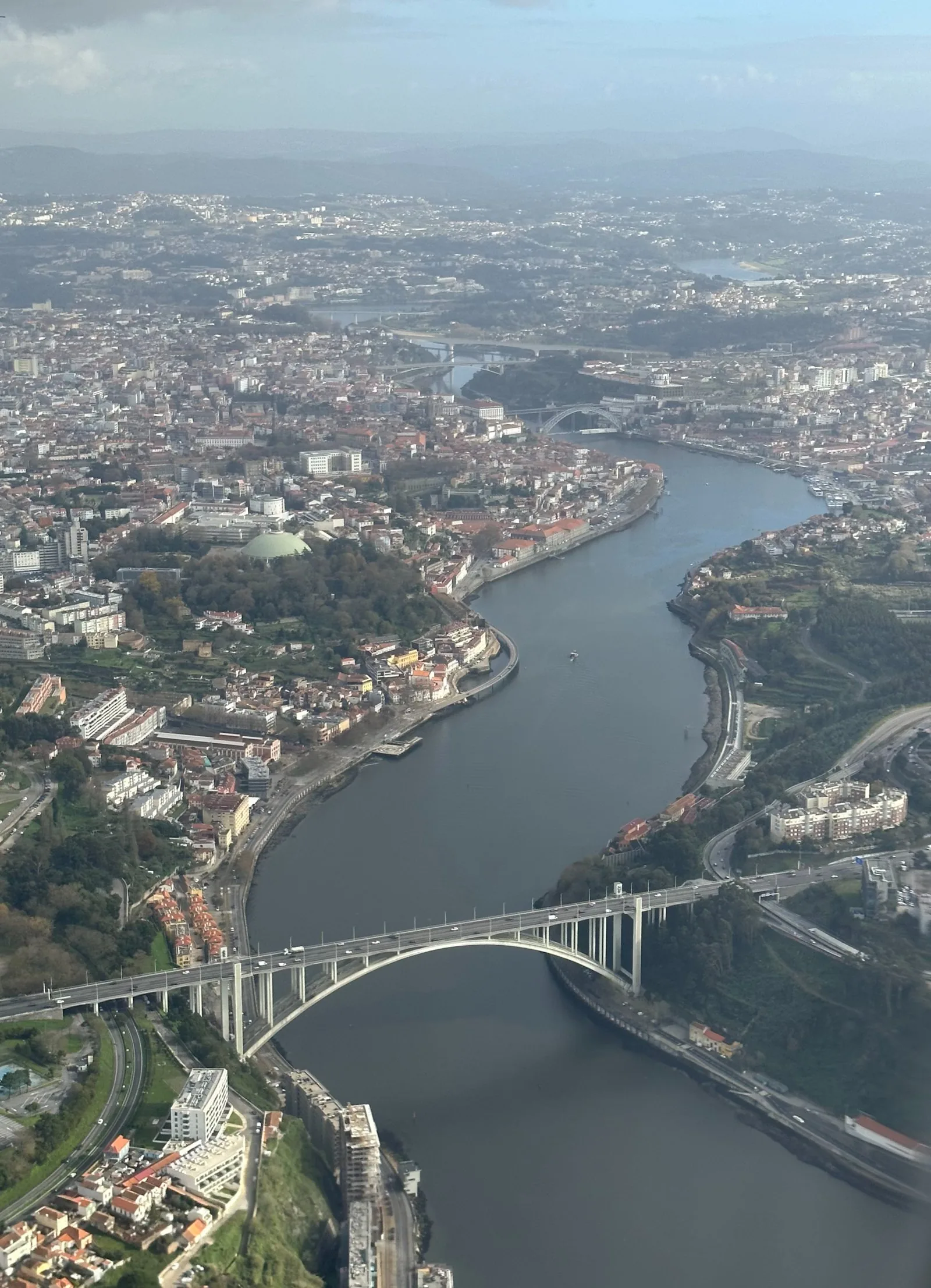
Porto's Plano Diretor Municipal, revised in 2020–21 by the city council (CMP), is the statutory municipal master plan for Portugal's second city. It pursues a compact-city strategy: prioritising infill and rehabilitation of the existing fabric, containing peripheral expansion, and aligning densification with public-transport corridors including the light-rail network, while addressing housing pressure and the effects of tourism on the historic centre.
Significance
The revision reflects the broader turn of Southern European planning from expansion-era zoning towards regeneration, containment and transit alignment within Portugal's PDM system. It is significant for managing a UNESCO-listed core under intense tourist and investment pressure, and contributes to Iberian debates on housing affordability, touristification and the governance of compact urban growth.
What shaped it
- Transit-oriented development (TOD) (1993)
- The compact city (1973-1990s)
- The master plan (early 20th c.)
Sources
- https://www.jpn.up.pt/2021/06/02/novo-plano-diretor-municipal-do-porto-foi-aprovado/
- https://www.publico.pt/2021/06/01/local/noticia/plano-director-municipal-porto-aprovado-votos-ps