Prague Metropolitan Plan (Metropolitní plán)
Core idea
Form-based zones, rail hubs
Why it matters
Big shift from land-use to spatial form
Description
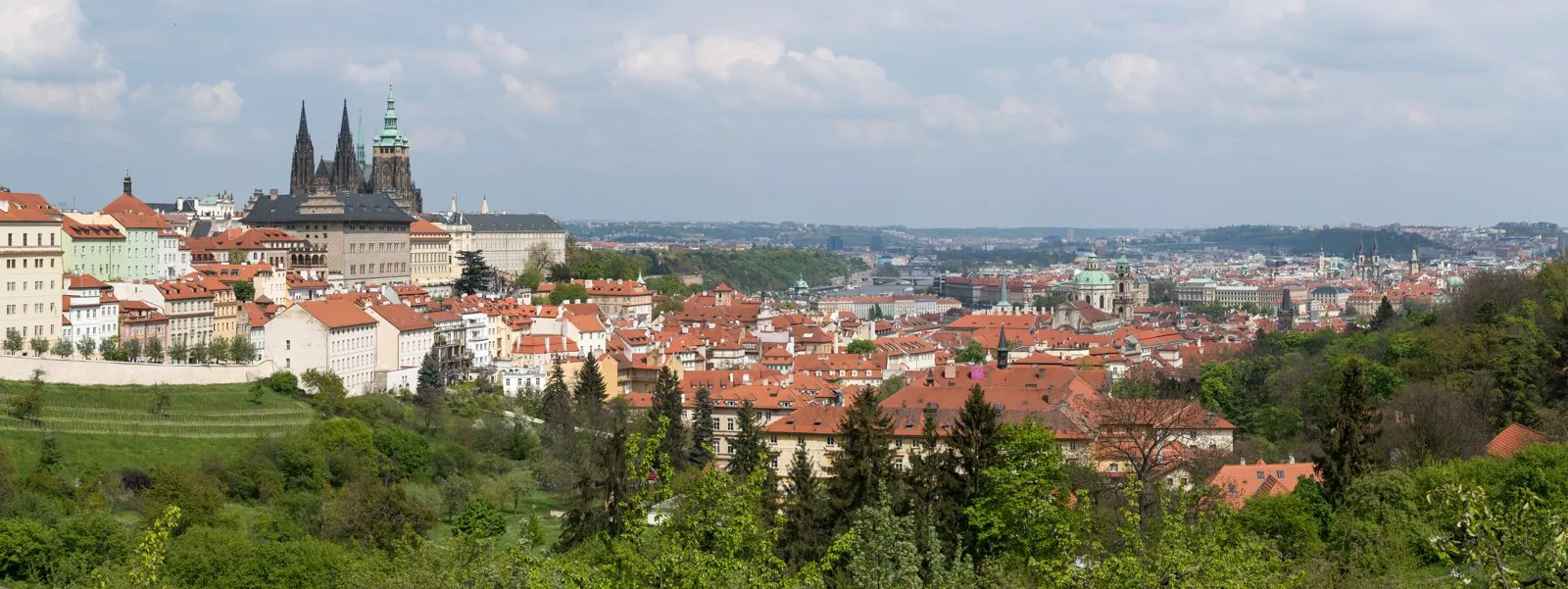
The Prague Metropolitan Plan (Metropolitni plan), prepared by the Prague Institute of Planning and Development (IPR Praha) and approved in 2023 after roughly a decade of drafting, is the new land-use plan for the whole Czech capital. It replaces the previous functionalist land-use plan with a form-based approach: the city is divided into hundreds of localities, each regulated according to its urban character, building heights and block structure rather than by prescribed functions alone. The plan emphasises densification within the existing city, the transformation of large brownfield sites, and development concentrated around rail and metro hubs.
Significance
The plan is significant as one of the most prominent European attempts to shift a major city's statutory planning from land-use zoning to the regulation of spatial form, drawing on form-based code ideas and on Prague's strong tradition of urban morphology. Its long and contested gestation, including disputes between the city, boroughs and civic groups, made it a focal point of Czech debates about density, heritage protection and housing supply. It is closely watched in Central Europe as a model, or cautionary tale, for post-socialist cities modernising their planning systems.
What shaped it
- The compact city (1973-1990s)
- Transit-oriented development (TOD) (1993)
- Zoning (1884 Germany / 1916 NYC)