Stockholm RUFS 2050
Core idea
Regional development incl. transit & green
Why it matters
Coordinated polycentric growth
Description
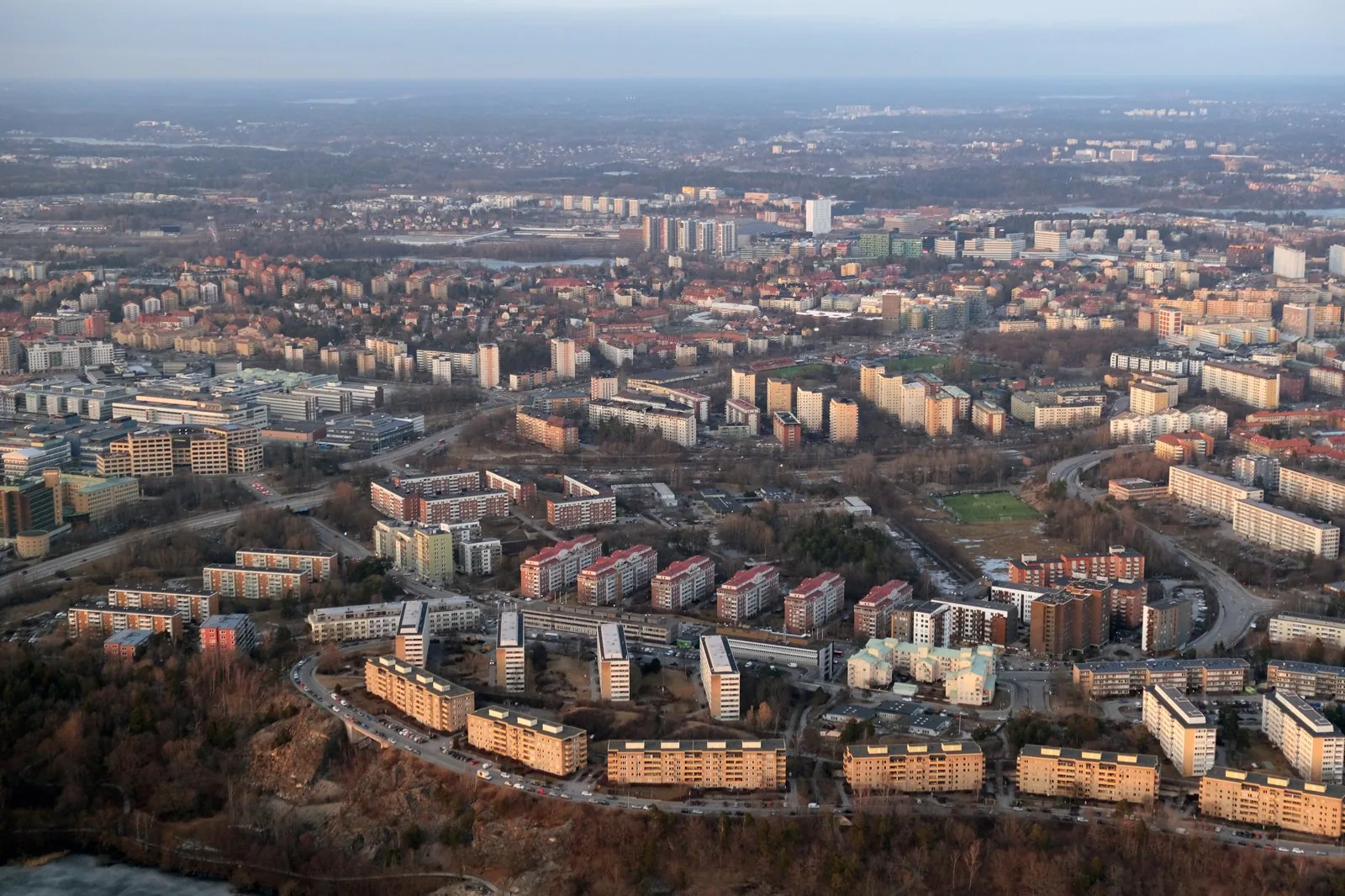
RUFS 2050 is the regional development plan for the Stockholm region, adopted in 2018 by the county authority as the latest in a long series of RUFS documents. It sets out a polycentric structure of regional cores linked by rail and rapid transit, coordinating housing growth, transport investment and the region's characteristic green wedges across dozens of municipalities. The plan works at the metropolitan scale, guiding rather than replacing municipal comprehensive plans, with a horizon extending to 2050.
Significance
The plan continues one of Europe's most sustained traditions of statutory regional planning, stretching back to Stockholm's mid-twentieth-century regional plans and the transit-suburb model of Vällingby. Its insistence on polycentric growth and protected green wedges has made it a frequent international reference for how a fast-growing capital region can coordinate transit, housing and landscape. Debates around it concern the gap between regional guidance and municipal delivery, particularly on housing output.
What shaped it
- Transit-oriented development (TOD) (1993)
- The green belt (1898 concept / 1938 law)
- The compact city (1973-1990s)
- SDG 11 — Sustainable Cities (2015)
Sources
- https://www.regionstockholm.se/495fef/siteassets/regional-utveckling/regional-utveckling/kortver
- https://www.reglab.se/nyheter/rufs-2050-antagen/