The Hague Binckhorst Transformation
Core idea
Industrial estate to mixed-use urban district
Why it matters
Station-oriented inner-ring intensification
Description
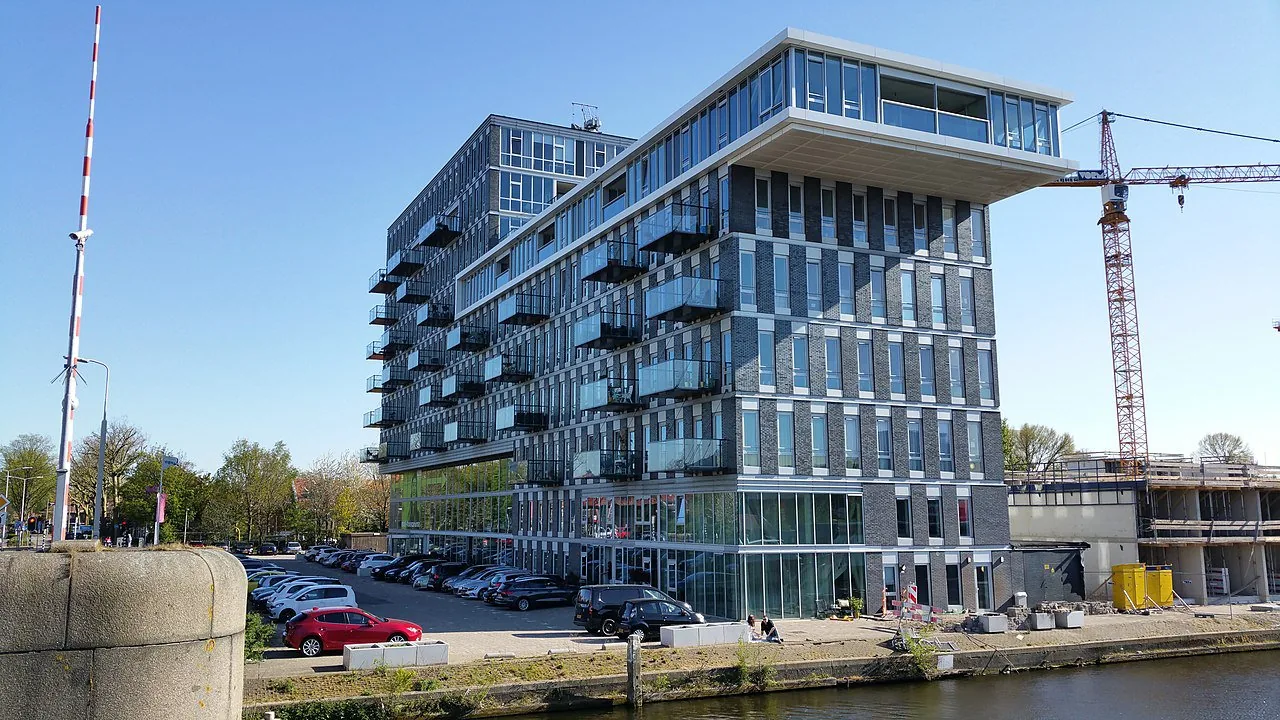
The Binckhorst transformation is the Gemeente Den Haag's programme to convert a large inner-city industrial estate southeast of The Hague's centre into a dense mixed-use urban district. Planned from the mid-2010s through a flexible, invitation-based framework rather than a fixed blueprint, and used as a national pilot for the new Dutch Environment and Planning Act, it channels thousands of homes into an area close to the city's main stations while retaining space for productive urban industry.
Significance
Binckhorst is significant in Dutch planning as a prominent experiment with 'organic' area development and the omgevingsplan instrument, moving away from end-state masterplanning towards rule-based, developer-responsive transformation. It also figures in the European debate about retaining manufacturing and messy productive uses within intensifying inner cities. As station-oriented inner-ring densification, it typifies the Randstad strategy of absorbing housing demand without greenfield expansion.
What shaped it
- The compact city (1973-1990s)
- Transit-oriented development (TOD) (1993)
- The Death and Life of Great American Cities (1961)
- Zoning (1884 Germany / 1916 NYC)
Sources
- https://projecten.denhaag.nl/gebied/ontwikkelingen-binckhorst/
- https://www.denhaag.nl/nl/verbouwen-en-wonen/omgevingsplan-binckhorst/