The Hague Central Innovation District
Core idea
Intensification around stations
Why it matters
Knowledge economy in inner ring
Description
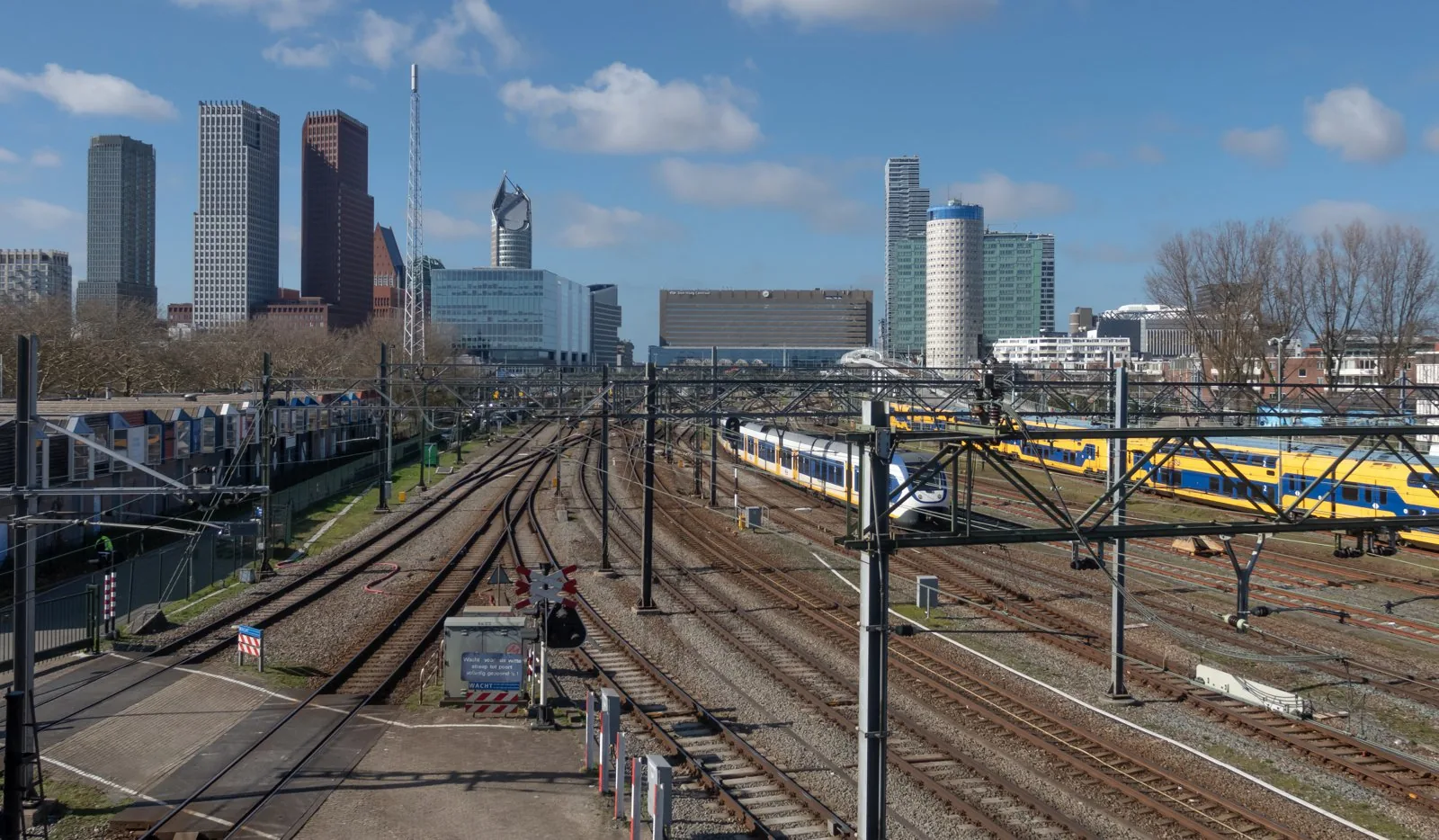
The Central Innovation District is The Hague's strategy, pursued from 2018, to intensify the area between and around its three inner-city railway stations — Centraal, Hollands Spoor and Laan van NOI — into a dense, mixed-use knowledge quarter. The plan concentrates offices, education, start-up space and thousands of homes on already-urbanised land with the best transit access in the city. It is intended to strengthen The Hague's economic profile beyond government and international institutions.
Significance
The CID is a characteristic example of the innovation-district model translated into Dutch practice: growth accommodated through station-area densification rather than peripheral expansion, consistent with national policy favouring inner-ring intensification. It contributes to wider debates on knowledge-economy planning, affordability and the vertical densification of traditionally mid-rise Dutch cities.
What shaped it
- Transit-oriented development (TOD) (1993)
- The 15-Minute City (2016)
- The master plan (early 20th c.)
- New Urban Agenda (2016)
Sources
- https://architectenweb.nl/nieuws/artikel.aspx?id=50558
- https://www.witteveenbos.com/projects/spatial-planning-strategy-for-the-hagues-central-innovatio