Turku Master Plan 2029
Core idea
Compact growth, waterfront renewal
Why it matters
Strategic return to the riverfront
Description
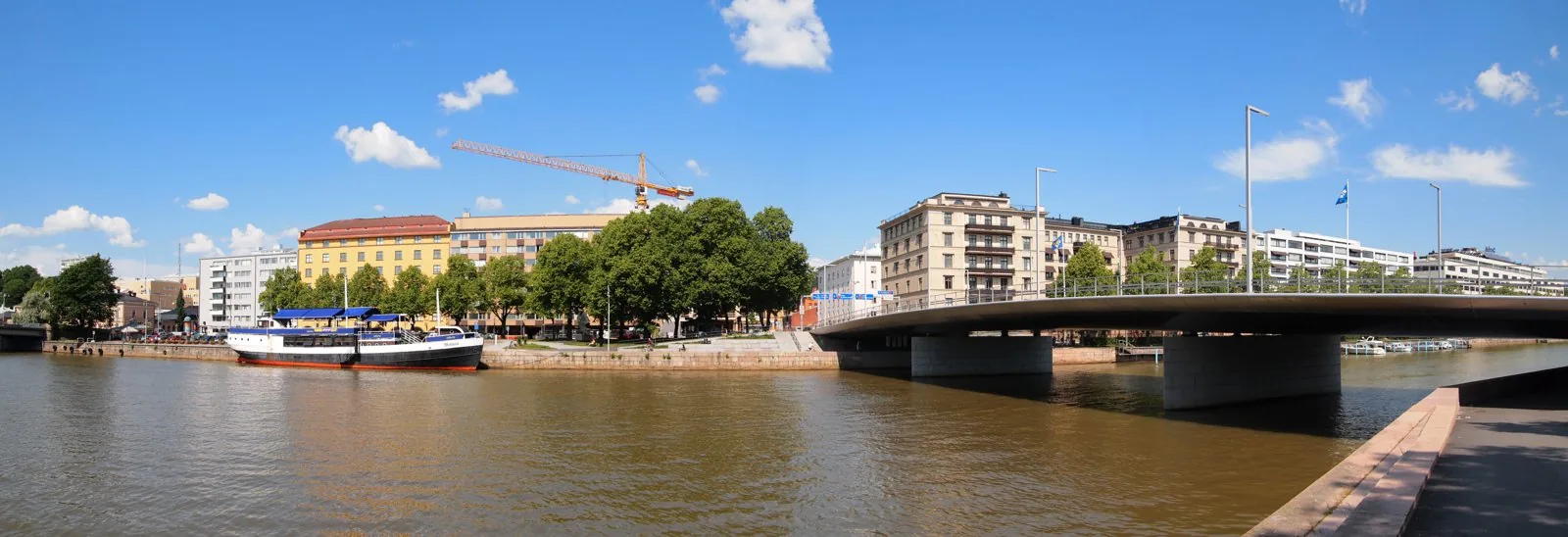
The Turku Master Plan 2029, prepared by the Finnish city and named for its 800th anniversary year, guides urban growth to the end of the 2020s. Its core strategy is compact development concentrated in the existing urban structure, with renewal of the Aura riverfront and former harbour and industrial edges as places for housing, culture and public space. The plan ties land use to sustainable mobility and the city's carbon-neutrality ambitions.
Significance
The plan represents the Nordic mainstream of compact-city planning applied to a mid-sized historic city, notable for treating the river as the organising spine of regeneration. Turku's return to its waterfront echoes a broader Baltic pattern of converting maritime-industrial land into civic frontage. Its significance in Finnish planning lies in linking strategic land-use planning to climate targets and to the incremental repair of a city shaped by post-war demolition.
What shaped it
- The compact city (1973-1990s)
- Transit-oriented development (TOD) (1993)
- SDG 11 — Sustainable Cities (2015)
- The master plan (early 20th c.)
Sources
- https://www.turku.fi/en/city-plan-2029
- https://www.turku.fi/sites/default/files/document/yleiskaava_2029_ehdotus_selostus_13.2.2023_kvn