Valencia Superillas / Mobility Plan
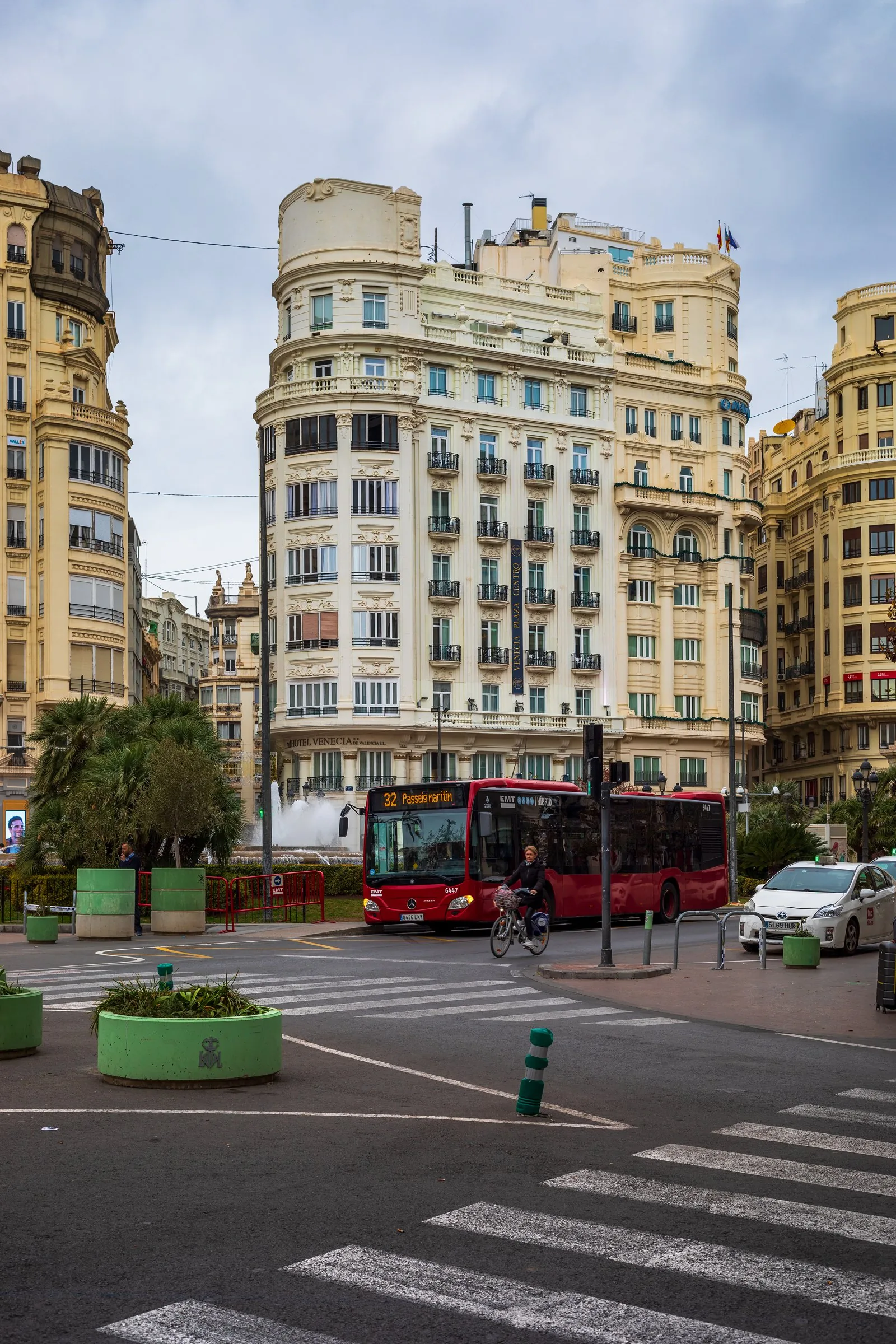
Core idea
LTNs + bike lanes + central park
Why it matters
Mode shift + rail burying synergy
Description
A programme of mobility reform in Valencia, Spain, led by the Ajuntament de València, combining traffic-calmed 'superilla'-type blocks and low-traffic neighbourhoods with a rapidly expanded protected cycle network. It builds on the city's earlier conversion of the Turia riverbed into a linear central park and on proposals to bury rail infrastructure, using street reallocation rather than large demolition to shift trips towards walking, cycling and public transport.
Significance
Valencia shows the diffusion of Barcelona's superblock model to other Spanish cities and has become one of Europe's most cited recent examples of rapid cycling-network growth. Its combination of a legacy green corridor with systematic street reclamation makes it an influential case for incremental, mobility-led transformation of a dense Mediterranean city.
What shaped it
- Tactical urbanism (2010s)
- The pedestrian zone (1953)
- The 15-Minute City (2016)
- COVID-19 reshapes the city (2020)
Sources
- https://www.valencia.es/cas/urbanismo/proyectos-urbanos/-/content/superilla-la-petxina
- https://www.elsaltodiario.com/urbanismo/aprobada-primera-supermanzana-peatonal-valencia-para-rec