Varanasi Kashi Corridor Urban Plan
Core idea
Pilgrim movement and ghats upgrade
Why it matters
Religious-core public realm restructuring
Description
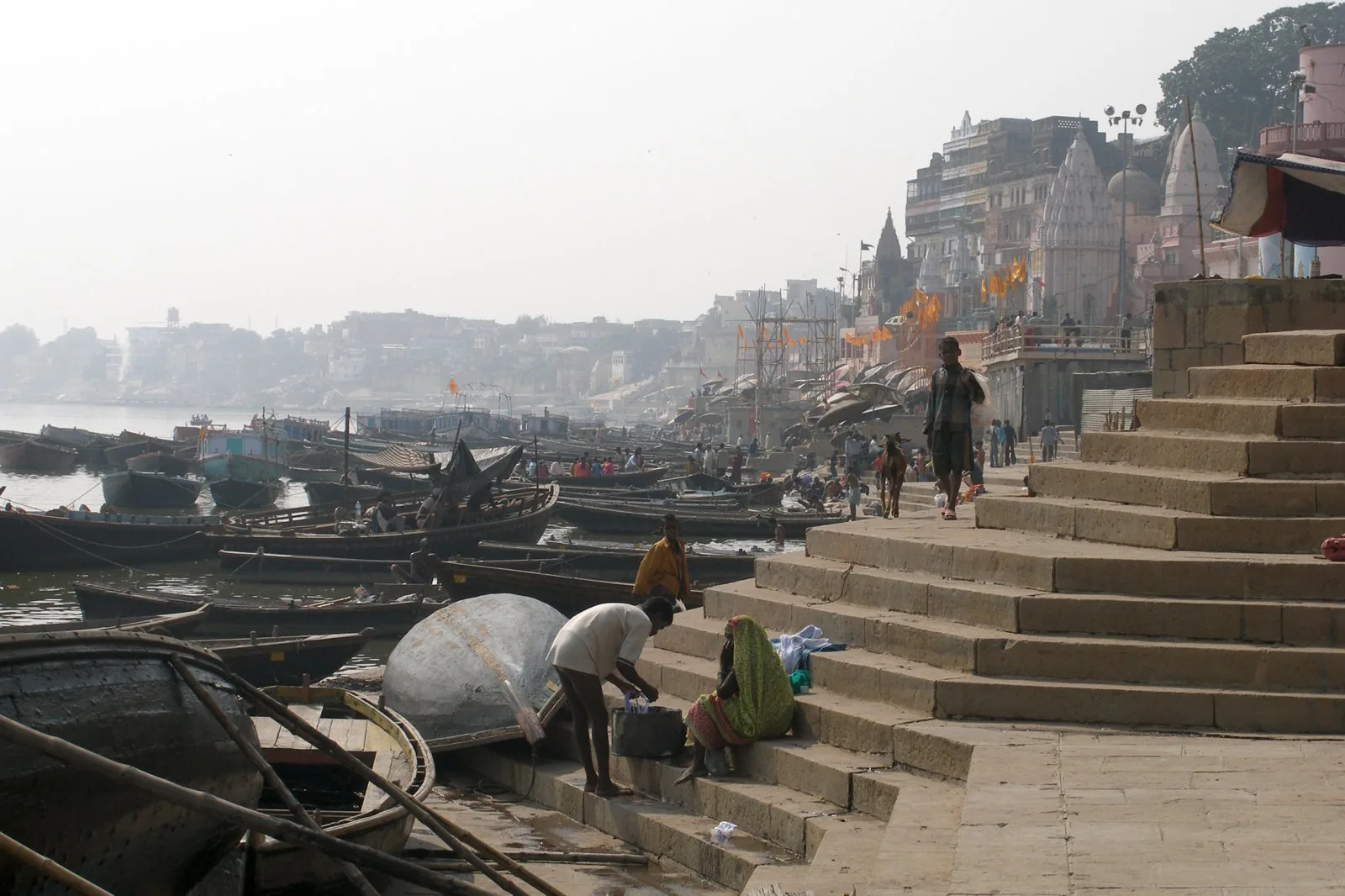
An urban restructuring project carried out from 2019 in Varanasi under the Government of Uttar Pradesh with strong central government backing, creating a corridor linking the Kashi Vishwanath temple to the ghats on the Ganges. The plan cleared densely built fabric to open a broad pilgrim route with new gateways, plazas and facilities, upgrading the movement and servicing of the vast pilgrim flows through the sacred core of the city. It was inaugurated in 2021 as the Kashi Vishwanath Dham corridor.
Significance
The corridor is a prominent example of religious-core urbanism in contemporary India, restructuring one of Hinduism's holiest precincts through state-led demolition and monumental redesign. It has generated significant debate over heritage loss, the displacement of long-standing residents and shrines, and the entanglement of urban renewal with religious and national politics.
What shaped it
- Vastu Shastra / Mayamata / Manasara (c. 6th c. CE)
- Ife and the Yoruba sacred-city cosmology (c. 11th–15th c. CE)
- Temple-tank and eri (tank) irrigation hydraulics (c. 9th c. CE onward)
- Genius Loci (Norberg-Schulz) (1979)
Plans it influenced
Sources
- https://kashi.gov.in/project-details/shri-kashi-vishwanath-corridor
- https://www.drishtiias.com/daily-news-analysis/kashi-vishwanath-corridor