Zagreb GUP
Core idea
Densification + transit
Why it matters
Manages post-socialist growth
Description
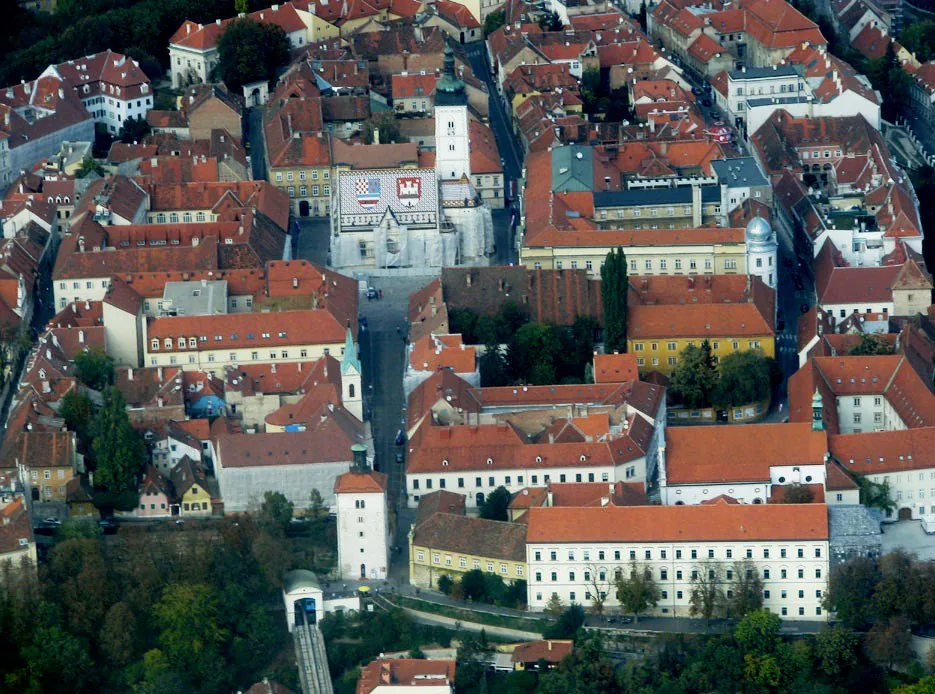
The General Urban Plan (Generalni urbanistički plan, GUP) of Zagreb, the Croatian capital, in the version amended in 2017. The GUP is the city's principal statutory instrument, setting land use, building intensity and infrastructure corridors across the compact Austro-Hungarian core, the socialist-era housing estates of Novi Zagreb and the sprawling post-1990 periphery, with the 2017 changes oriented towards densification and better linkage to public transport. It was prepared by the city administration and adopted by the city assembly.
Significance
The plan is representative of post-socialist planning in South-East Europe, where inherited modernist frameworks meet weak development control and strong investor pressure. Zagreb's GUP amendments were repeatedly contested by civic initiatives concerned about overdevelopment and the loss of public space, and the plan's adequacy came under renewed scrutiny after the 2020 earthquakes exposed the vulnerability of the historic fabric.
What shaped it
- Transit-oriented development (TOD) (1993)
- The compact city (1973-1990s)
- The master plan (early 20th c.)
Sources
- https://zagreb.hr/generalni-urbanisticki-plan-grada-zagreba-gup/89066
- https://www.zagreb.hr/userdocsimages/arhiva/prostorni_planovi/gup%20grada%20zagreb_izid_jr%20201