Amsterdam Haven-Stad (Port-City) Development Framework
Core idea
Port-to-city transformation for housing/jobs
Why it matters
Largest inner-city expansion area in NL
Description
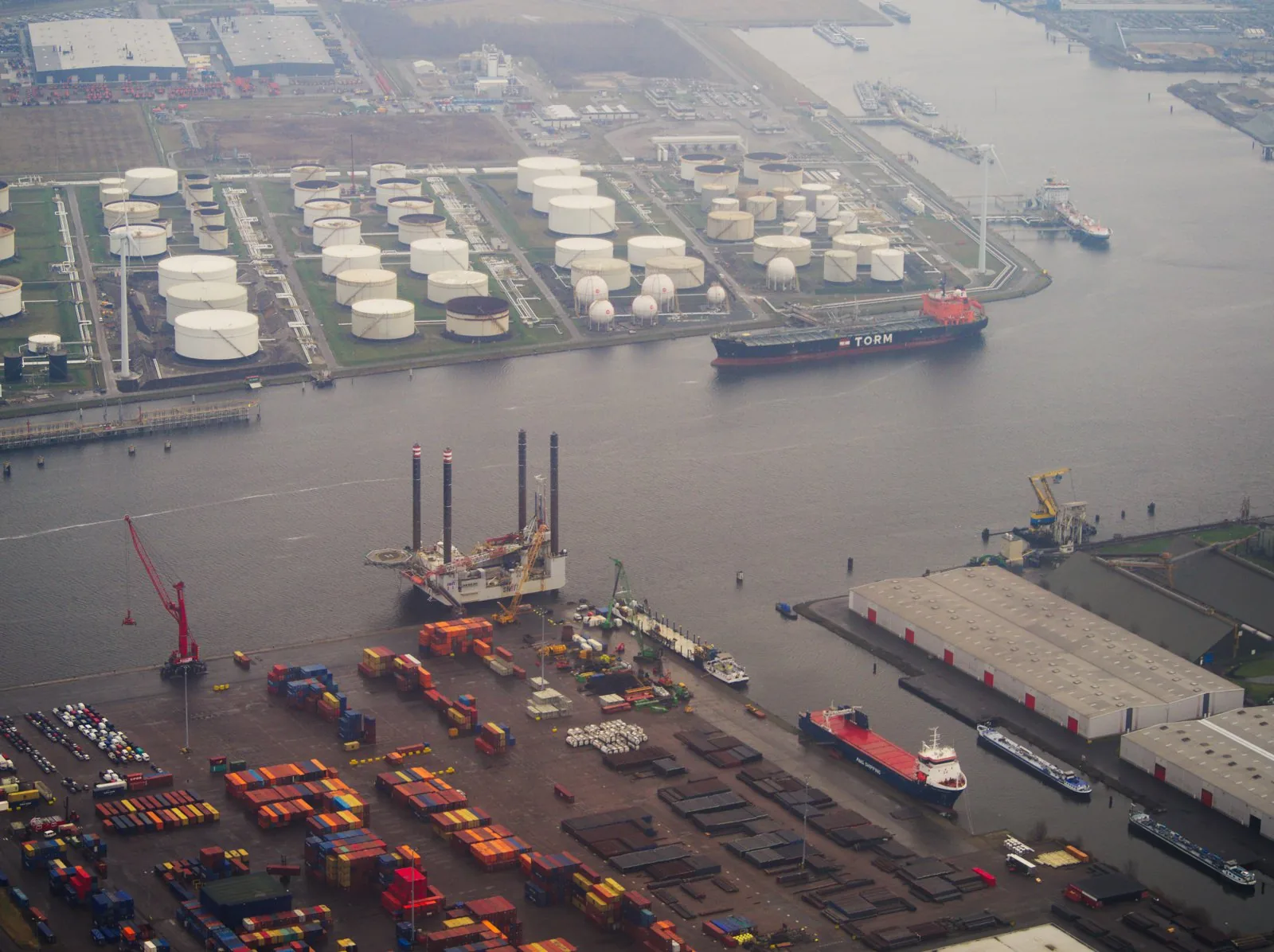
A development framework adopted by the City of Amsterdam in 2017 for Haven-Stad, the gradual transformation of working port and industrial areas west of the centre into dense mixed districts. The strategy phases conversion around the Ring A10 and the IJ waterfront, envisaging tens of thousands of homes plus employment space, tied to new public transport including proposed metro extensions, while negotiating the continued operation of port businesses under environmental contours. It is among the largest inner-urban expansion programmes in the Netherlands.
Significance
Haven-Stad continues Amsterdam's lineage of large-scale waterfront conversion running from the Eastern Docklands to IJburg, now applied to an active port rather than derelict land. It has become a European reference case for the tensions of 'port-city' transformation — housing pressure against industrial retention, and transit capacity as the precondition for density — and for phasing strategies that plan decades ahead of actual land release.
What shaped it
- Transit-oriented development (TOD) (1993)
- The compact city (1973-1990s)
- Containerised-logistics scale-up (1970s–1990s)
Sources
- https://dutchnews.nl/news/2017/11/residential-development-plans-pose-huge-threat-to-amsterdams-p
- https://www.portofamsterdam.com/en/news/plan-haven-stad-port-city-odds-interests-port