Chan Chan
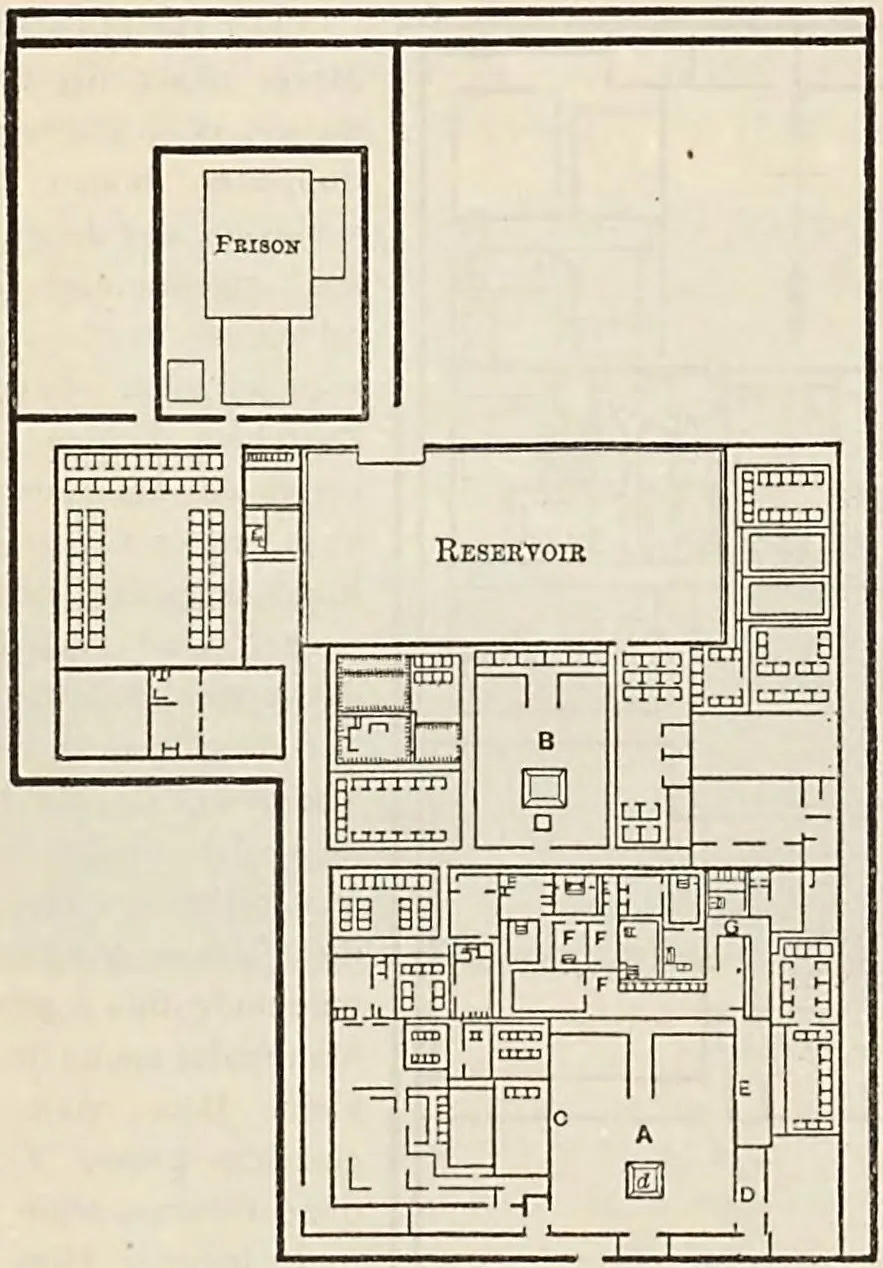
Core idea
The largest planned adobe city of the pre-Columbian Americas, organised into nine walled palace-compounds.
Why it matters
Shows a rigid political and social hierarchy translated directly into a vast, planned earthen-city form.
Description
Chan Chan, on the north coast of Peru near Trujillo, was the capital of the Chimú kingdom, built largely between about 850 and 1470 CE before its conquest by the Inca. One of the largest planned adobe urban complexes in the world, its layout reflects a strict political and social strategy: the city is divided into nine great walled compounds, or ciudadelas, each an autonomous palace unit containing spaces for governance, ritual, storage and burial. Surrounding these were workshops, dwellings and reservoirs supporting a population estimated in the tens of thousands. Exterior surfaces carried continuous low-relief friezes with geometric and marine motifs, articulating the earthen architecture of this desert metropolis.
Significance
Chan Chan demonstrates how a centralised Andean dynasty encoded its political order into urban form, with successive rulers' palace-compounds structuring an entire planned city. As the largest adobe city of the pre-Columbian Americas, it exemplifies large-scale earthen construction, hydraulic provisioning and social stratification on the arid coast. It remains a key case for understanding planned, hierarchical urbanism in the Andes before the Inca.
What became of it
Capital of the Chimu until Inca conquest c.1470; abandoned and left to erode, the adobe ruins now form a UNESCO World Heritage Site under severe threat from rain and El Nino.
Critique
Scholars debate whether the successive ciudadelas reflect a 'split inheritance' royal succession driving repeated palace-building, a model that remains contested in Chimu studies.
What shaped it
- Andean agricultural terracing (andenes) (c. 600 BCE onward; Inca peak 15th c. CE)
- The grid (c. 2500 BCE)
- The qanat (c. 800 BCE)
Plans it influenced
- Cusco (Inca Capital) (c. 1400–1533)