Eastern Economic Corridor (Thailand)
Core idea
Industry + logistics + HSR
Why it matters
National-scale development spine
Description
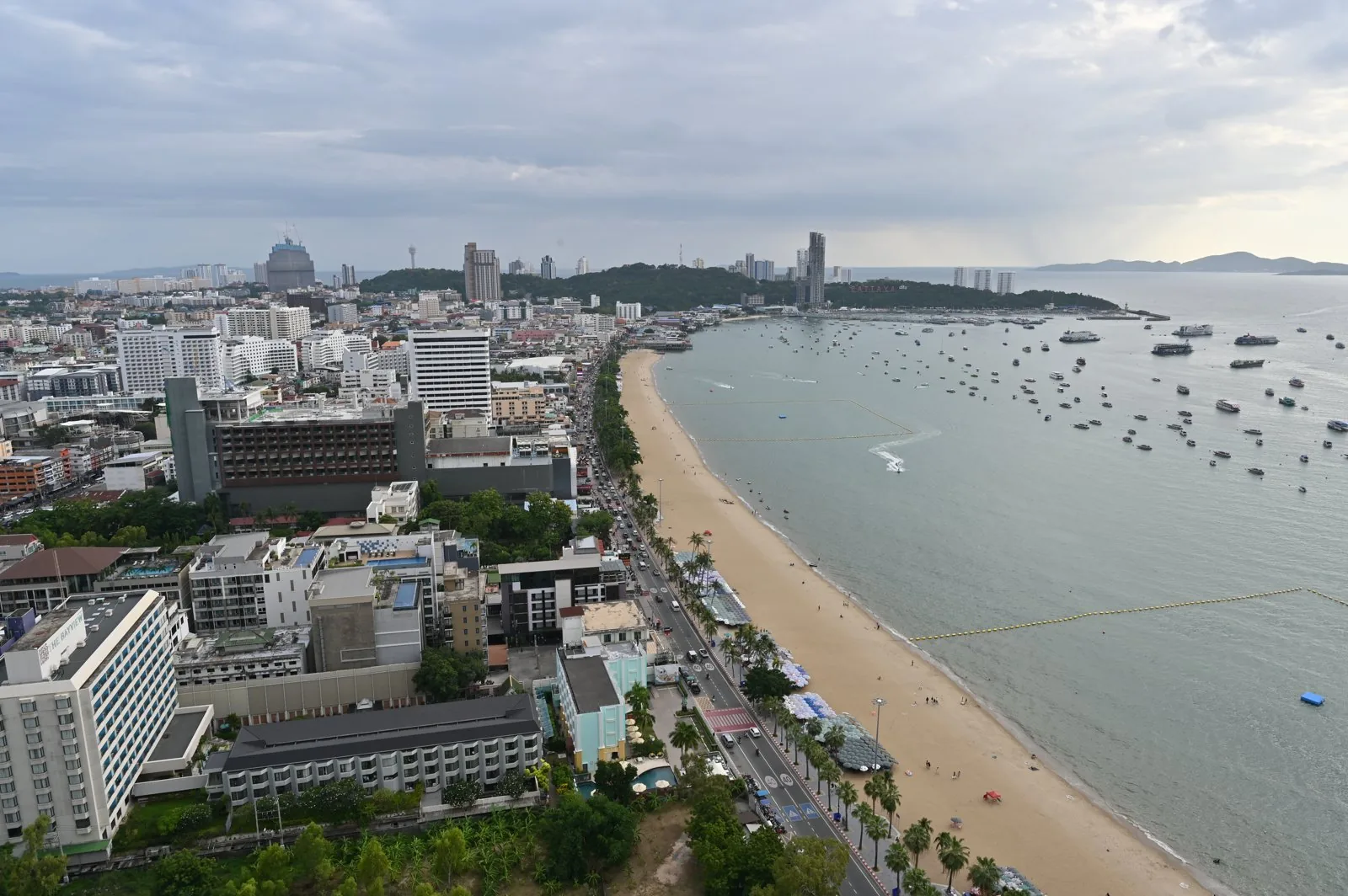
The Eastern Economic Corridor is a Thai national development programme, legislated from the mid-2010s, covering the three eastern seaboard provinces of Chonburi, Rayong and Chachoengsao. It combines industrial estates for targeted high-technology sectors with major logistics investment, including port expansion, the U-Tapao airport city and a high-speed rail line linking three airports, under a dedicated state authority with special planning and investment powers. It effectively projects urban and industrial growth along a national-scale spine southeast of Bangkok.
Significance
The EEC is the centrepiece of the Thailand 4.0 industrial strategy and a leading Southeast Asian example of corridor-scale, state-directed development planning that fuses special economic zone instruments with spatial planning. It has drawn debate over land expropriation, environmental pressure on the eastern seaboard and the concentration of powers in a special authority outside normal planning channels. It sits in a regional lineage of state-capitalist corridors, comparable to Malaysian and Chinese precedents.
What shaped it
- China's Belt and Road Initiative (2013)
- Containerised-logistics scale-up (1970s–1990s)
- The master plan (early 20th c.)
- Shenzhen Special Economic Zone (1980)
Plans it influenced
Sources
- https://en.wikipedia.org/wiki/Eastern_Economic_Corridor
- https://greatermekong.org/thailand%E2%80%99s-eastern-economic-corridor-and-what-it-means-gms