Havana Malecón Rehabilitation
Core idea
Seafront resilience + heritage
Why it matters
Iconic waterfront adaptation
Description
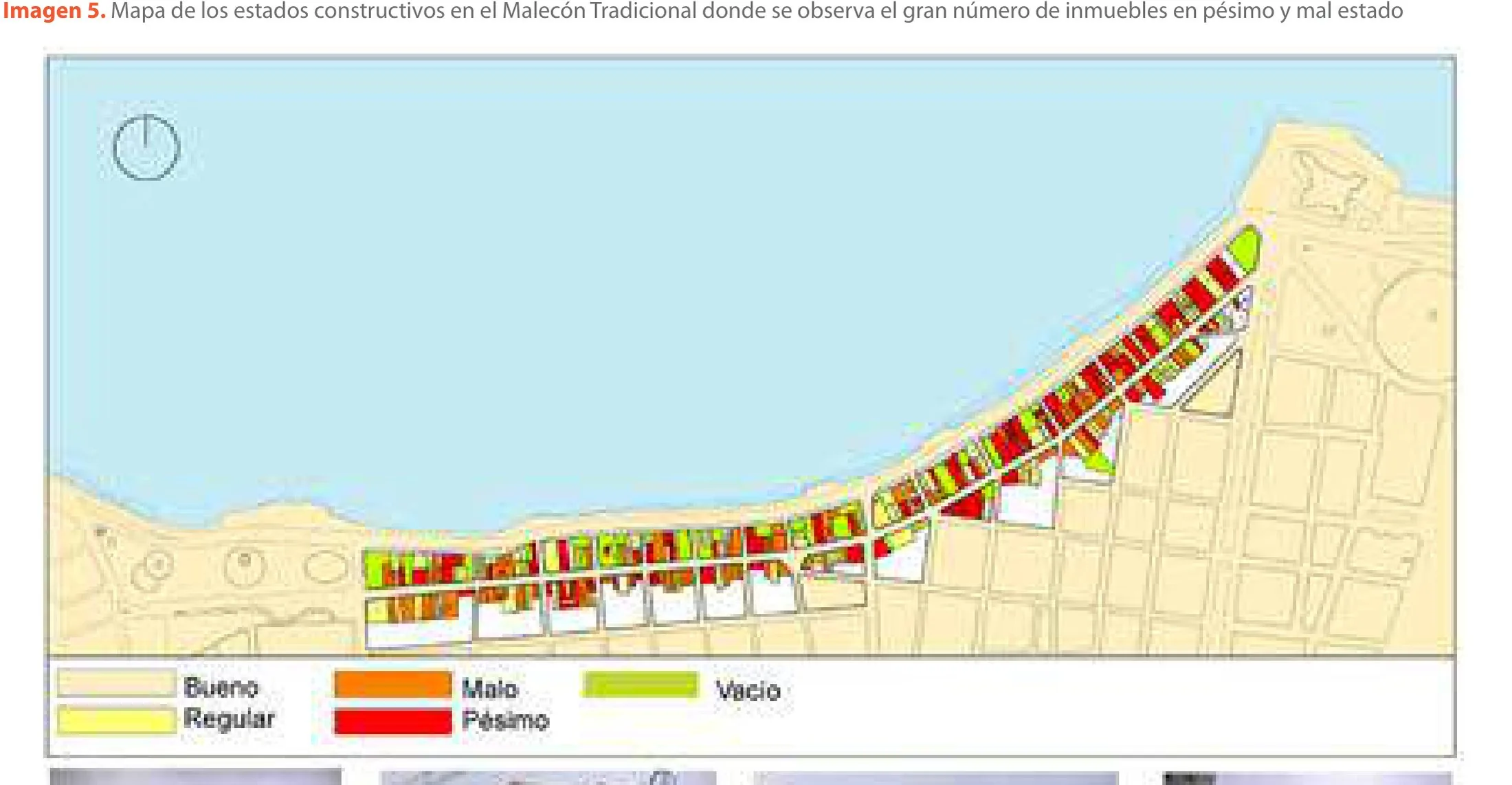
An ongoing rehabilitation programme for Havana's Malecón, the several-kilometre seafront drive and promenade edging the city's historic and central districts, coordinated from the 2010s by the Oficina del Historiador de la Ciudad. The work combines restoration of the deteriorated seawall and the arcaded building front behind it with public-space improvement and measures to cope with recurrent wave overtopping and flooding.
Significance
The Malecón programme joins heritage conservation to climate adaptation on one of Latin America's most iconic urban waterfronts, extending the Oficina del Historiador's internationally noted self-financing restoration model beyond Habana Vieja. It features in debates on resilience planning in resource-constrained contexts and on how socialist Cuba manages tourism-driven regeneration of its seafront.
What shaped it
- The public park (1843–1858)
- The Architecture of the City (1966)