The Architecture of the City
What it is
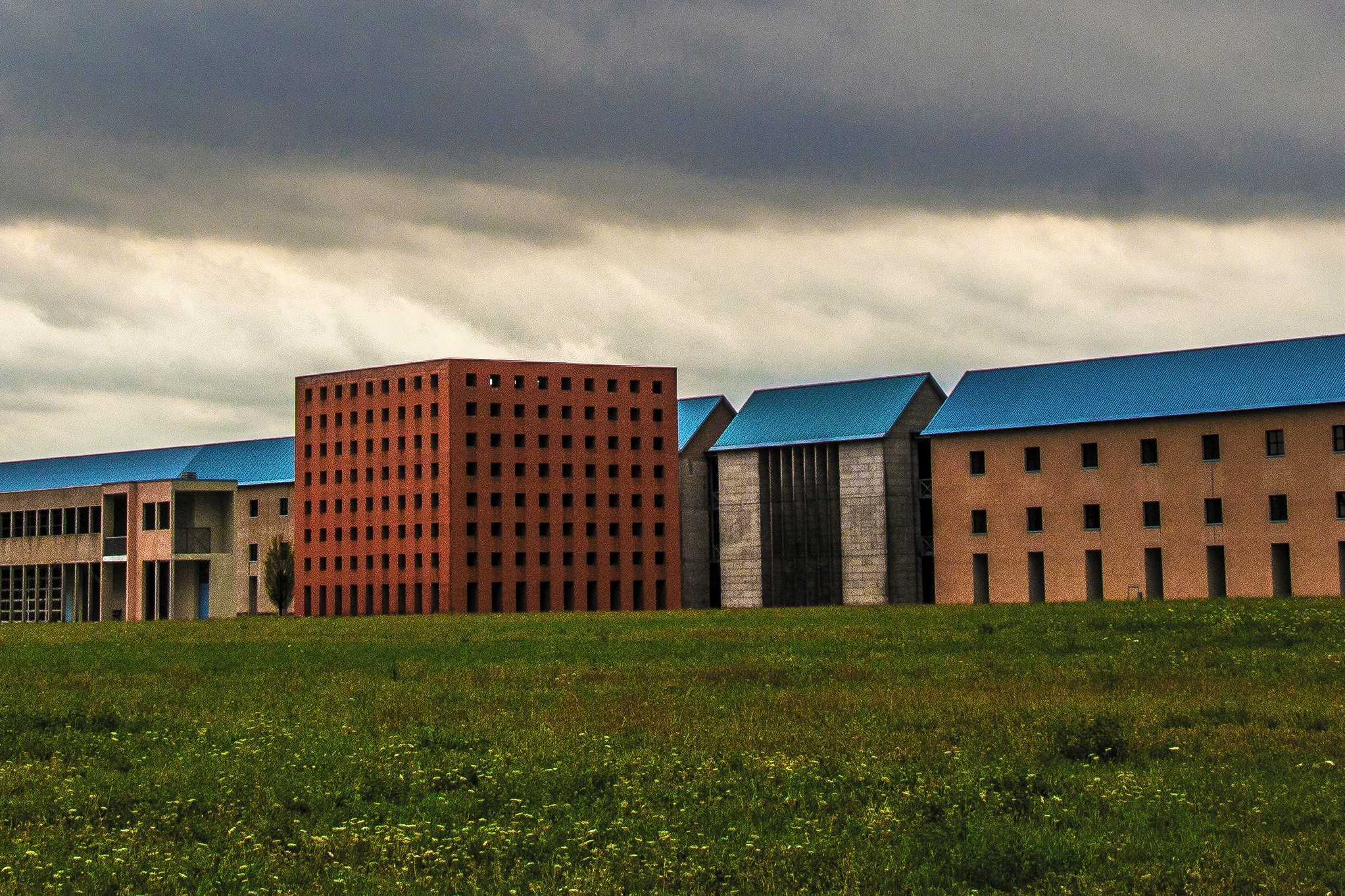
The Architecture of the City (L'architettura della città, 1966) by the Italian architect Aldo Rossi advanced a theory of the city as a built artefact shaped over time by its enduring forms rather than by functional programmes alone. Rossi emphasised urban morphology, building typology and the role of persistent monuments and street patterns as carriers of collective memory. He argued that certain elements, which he called primary elements and permanences, structure and outlast successive uses. The book drew on European cities to read urban form as a historical and cultural document.
Why it matters
It revived typological and historical analysis as a basis for design, countering the functionalist tendency to erase existing fabric. Rossi's ideas became foundational for the Italian Tendenza and for European urban-morphology and contextualist approaches to architecture and planning.
Plans it shaped
- Skopje 1963 Master Plan (1965)
- Battery Park City Master Plan (NYC) (1979)
- IBA Berlin 1984/87 – International Building Exhibition (1979–1987)
- Naples Centro Direzionale (1982–)
- Kyoto Station Area Urban Design Plan (1997–)
- Planwerk Innenstadt, Berlin (1999)
- Oslo Bjørvika / Barcode Redevelopment (2000s–)
- HafenCity Hamburg (2000–)
- Turin Spina 3/4 (2000s)
- Île de Nantes (2000–)
- Oslo Fjord City (2000–)
- Venice Mestre Urban Plan (2000s)