Lima Plan Piloto
Core idea
Regional framework and civic axes
Why it matters
Modernist Latin American urbanism
Description
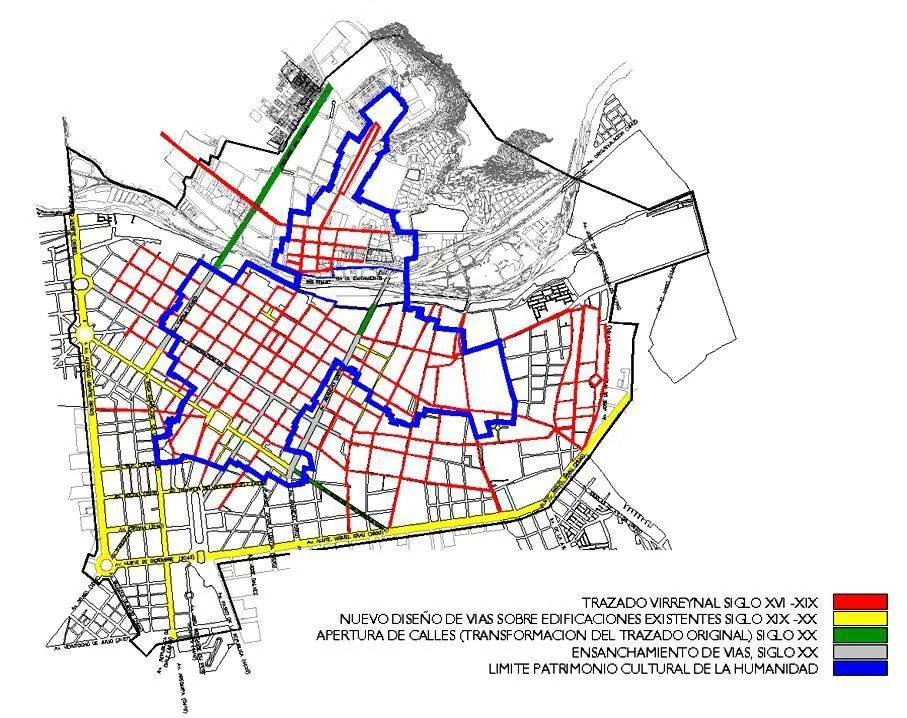
A pilot plan for Lima prepared in 1949 by Town Planning Associates, the partnership of Josep Lluís Sert and Paul Lester Wiener, working with Peru's national planning office under the reformist climate that followed the 1946 planning law. Applying CIAM doctrine, it proposed a regional framework for the Lima–Callao area, decongestion of the colonial centre, civic axes and a new civic core, and neighbourhood units based on the neighbourhood-unit and functional-city principles. Only fragments were realised, but it anchored the institutionalisation of planning in Peru.
Significance
The plan belongs to the influential series of Latin American schemes by Sert and Wiener that translated CIAM functionalism into national planning programmes, and it fed directly into debates on the civic core that preoccupied postwar CIAM congresses. In Peru it shaped the planning apparatus and professional culture that later confronted Lima's explosive informal growth.
What shaped it
- The Athens Charter (1933 / 1943)
- CIAM founded (1928)
- The master plan (early 20th c.)
- Ville Contemporaine / Plan Voisin / Ville Radieuse (1922–1933)
Plans it influenced
- Havana Plan Piloto (1955)
Sources
- https://en.wikipedia.org/wiki/Town_Planning_Associates
- https://files.core.ac.uk/download/pdf/87660699.pdf