Madrid Centro – Plan Especial de Calidad del Aire y Cambio Climático (Madrid 360)
Core idea
Low-emission zones and mobility changes
Why it matters
Citywide policy reshaping central mobility
Description
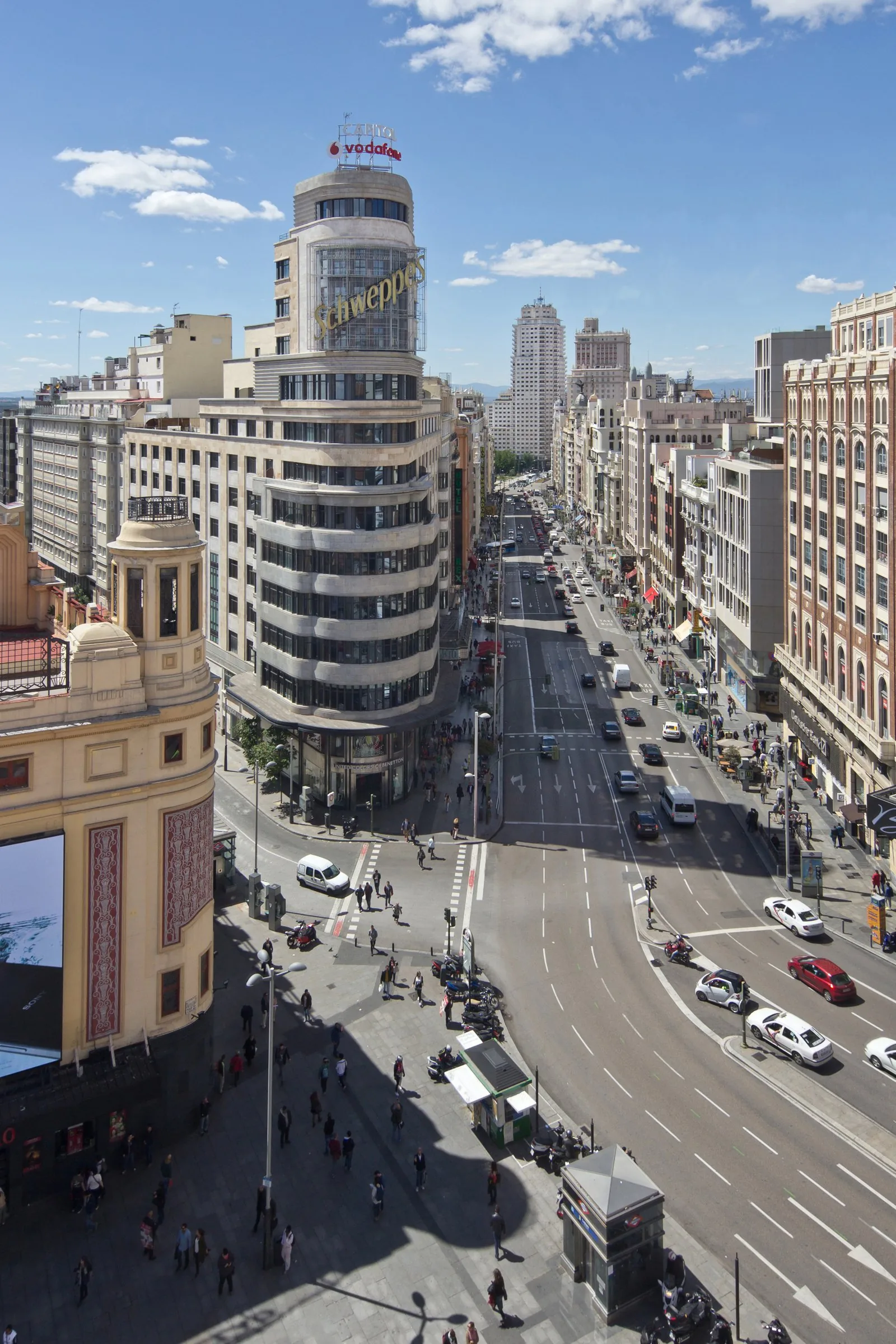
An air quality and climate change strategy adopted by the Madrid city government in 2019, known as Madrid 360, centred on the reform of the low-emission zone in the city centre and a wider package of mobility measures. It restricts polluting vehicles from central districts, reorganises parking and deliveries, and promotes public transport, cycling and electrification across the city. It is a citywide regulatory and mobility framework rather than a physical masterplan.
Significance
Madrid 360 belongs to the wave of European low-emission-zone policies reshaping central-city mobility, and emerged from a sharp political contest over its predecessor Madrid Central, making it a case study in the politics of traffic restraint. Its significance lies in showing how air quality regulation has become a de facto instrument of urban spatial policy, altering the accessibility and character of historic centres.
What shaped it
- The 15-Minute City (2016)
- 15-minute city policies (2020)
- Paris Climate Agreement (2015)
- Urban resilience (2013)
- Electric vehicles & battery scale-up (2008–2020s)
Sources
- https://www.madrid.es/portales/munimadrid/es/Inicio/Actualidad/Noticias/MADRID-360-la-estrategia
- https://www.planup.eu/en/resources/policies/madrid_central_and_madrid_360_low_emissions_zone_[sp