Paris Climate Agreement
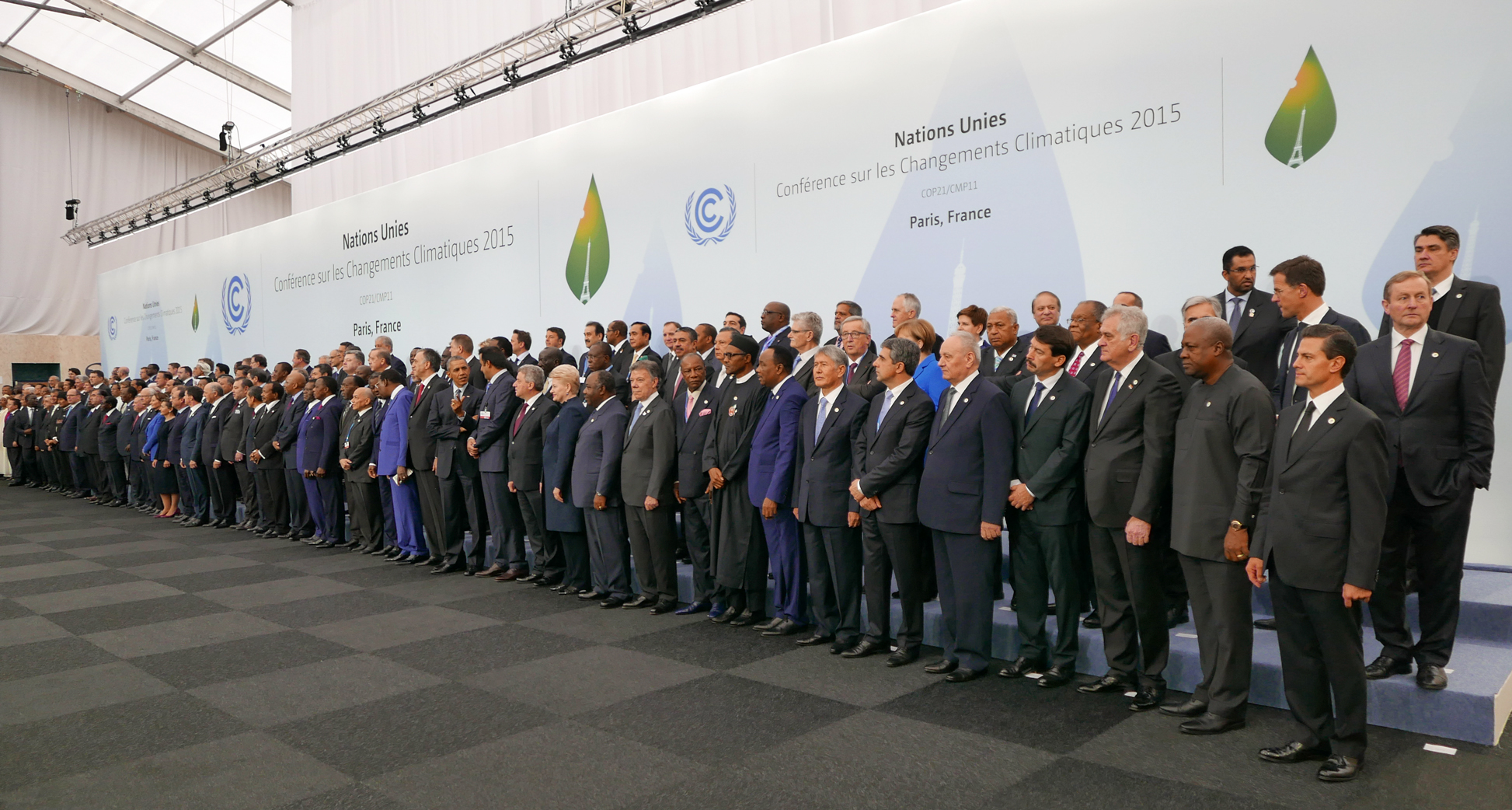
What it is
The Paris Agreement was adopted in December 2015 at the COP21 climate conference under the UN Framework Convention on Climate Change, with 195 parties agreeing to limit the rise in global average temperature to well below 2°C and to pursue efforts to keep it to 1.5°C above pre-industrial levels. Each country sets and reports its own nationally determined contributions to cutting greenhouse-gas emissions. Cities, which account for the bulk of energy use and emissions, were widely cast as the front line of both mitigation and adaptation. Networks such as C40 mobilised mayors around the targets.
Why it matters
It made decarbonisation a binding international constraint on how cities and economies grow, elevating climate goals in urban policy. The agreement accelerated city action on transport, buildings and energy and reinforced compact, low-carbon planning agendas.
Plans it shaped
- Nice Eco-Vallée Plaine du Var (2008)
- San Francisco Treasure Island/Yerba Buena Master Plan (2011)
- Edmonton Blatchford Redevelopment (former airport) (2014–)
- Quebec City Vision 2030 (2015)
- Paris Plan Vélo & RER Vélo (2015–2026)
- Toronto Port Lands Flood Protection / Don Mouth Naturalization (2017–)
- Flevoland Omgevingsvisie (2017)
- The Red Sea Project Masterplan (2017–)
- Fourth Regional Plan for New York (2017)
- Noord-Holland 2050 Omgevingsvisie (2018)
- Brabant Omgevingsvisie (2018)
- Hamburg Climate Plan + Hamburg Takt (2019–)