The Red Sea Project Masterplan
Core idea
Regenerative tourism archipelago
Why it matters
New model of conservation-based regional development
Description
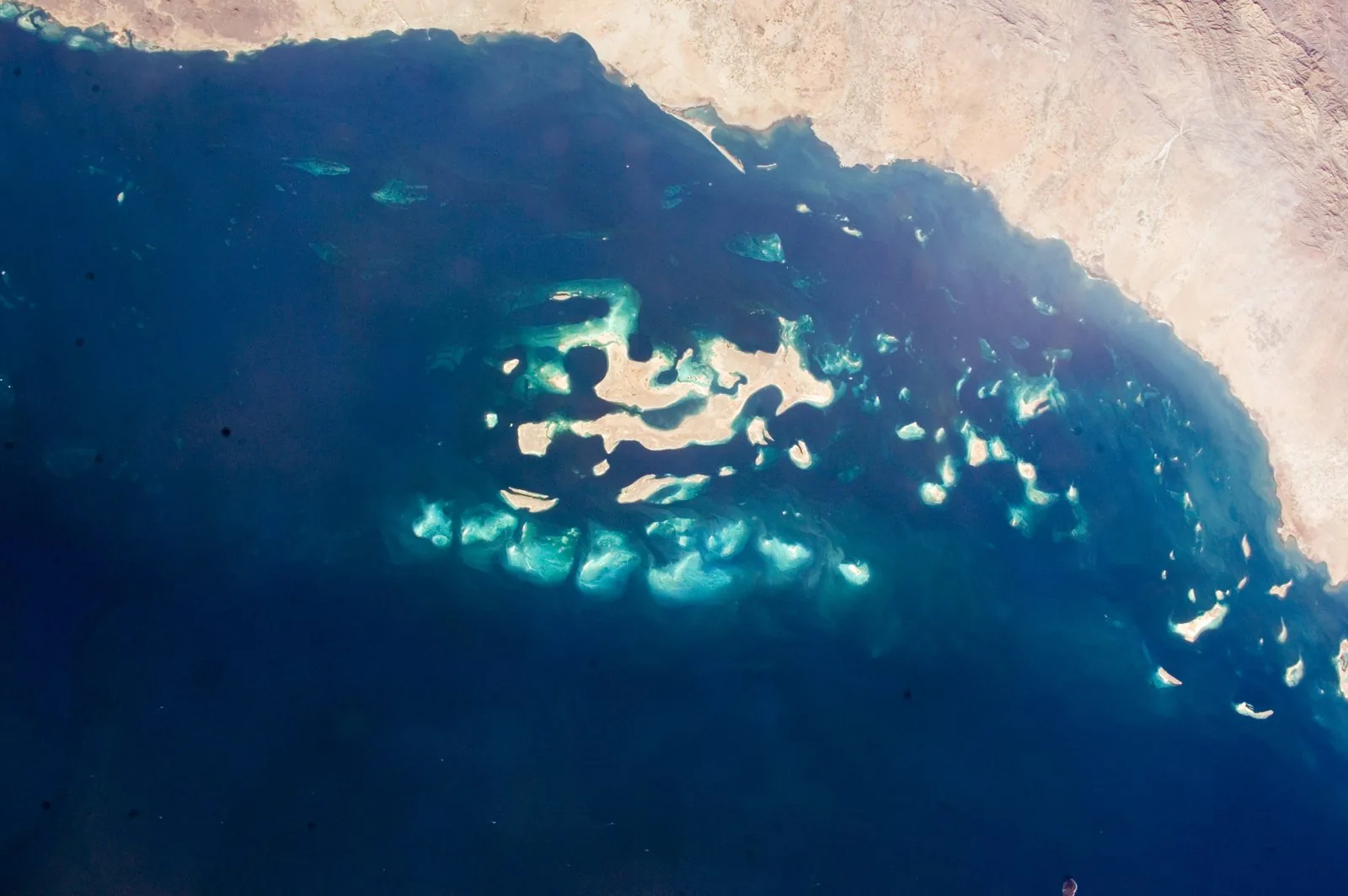
The Red Sea Project is a state-backed tourism megaproject on Saudi Arabia's west coast, master-planned from 2017 by The Red Sea Development Company (now Red Sea Global) as part of the Vision 2030 diversification programme. It encompasses an archipelago of islands, lagoons and desert hinterland, within which only a limited share of islands is to be developed, with resorts, a new airport and supporting infrastructure designed to run on renewable energy. The plan is framed as 'regenerative tourism', setting caps on visitor numbers and committing to a net conservation benefit for marine and coastal ecosystems.
Significance
The project exemplifies state-capitalist megaproject urbanism in the Gulf, where sovereign wealth is deployed to build entire tourism regions from scratch under a single corporate developer. It has become a key reference point in debates about whether large-scale luxury development can genuinely be conservation-led, and about the environmental accounting and labour conditions of Vision 2030's giga-projects.
What shaped it
- Paris Climate Agreement (2015)
- Urban resilience (2013)
- Solar photovoltaics and the LED (silicon PV cell 1954; white LED 1990s)
- Landscape urbanism (Waldheim) (1997-2006)
Plans it influenced
Sources
- https://en.wikipedia.org/wiki/Red_Sea_Project
- https://www.watg.com/project/the-red-sea-project-saudi-arabia/