Mexico City Plan Verde
Core idea
Green infrastructure + BRT expansion
Why it matters
Early climate plan in Latin mega-city
Description
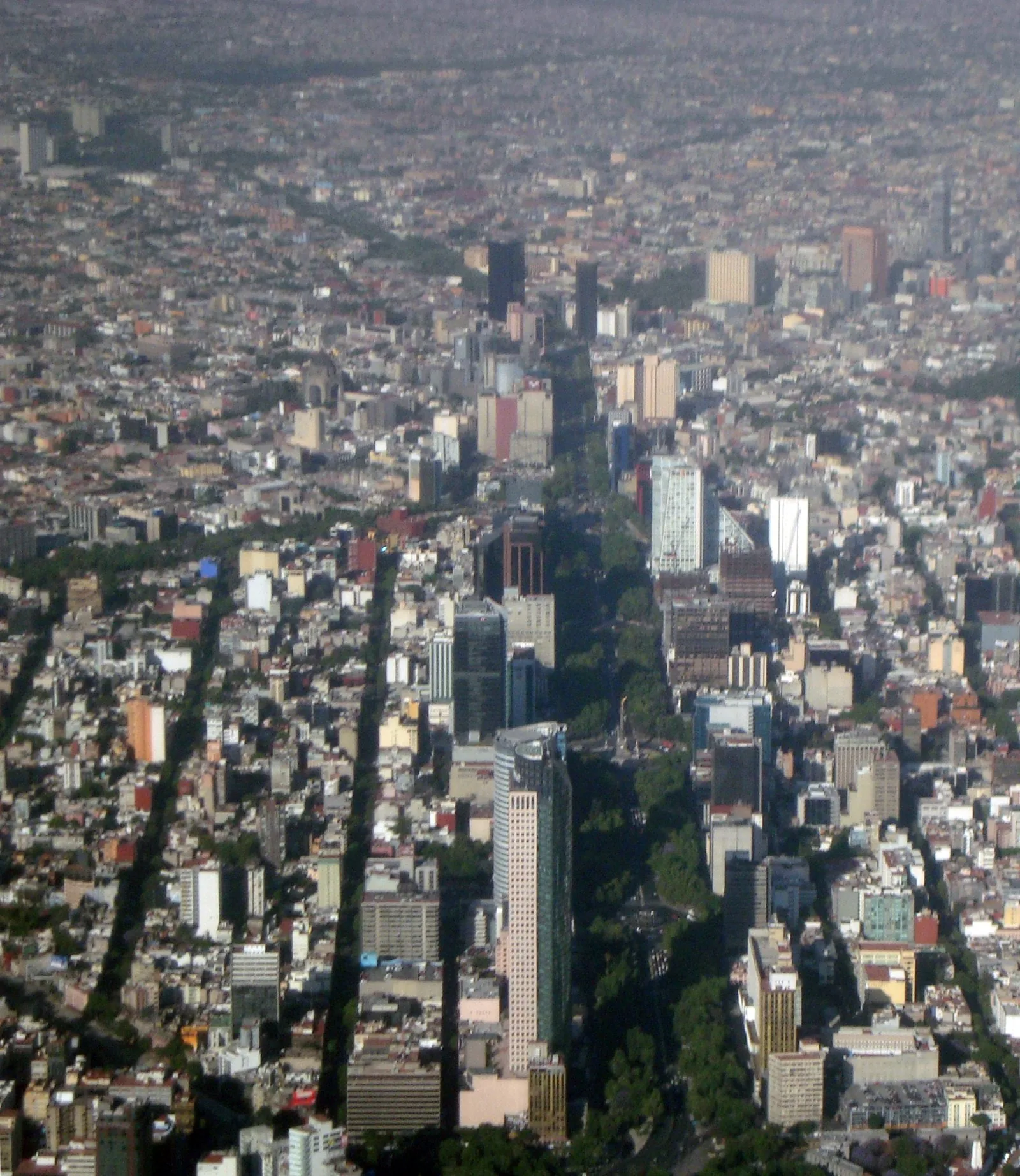
Plan Verde, launched in 2007 by the Mexico City government under mayor Marcelo Ebrard, was a fifteen-year environmental agenda for the Federal District. It combined green infrastructure measures, including conservation of the city's soil-conservation lands, urban reforestation and public space recovery, with sustainable mobility initiatives such as the expansion of the Metrobús bus rapid transit network, cycling infrastructure and the Ecobici bike-share system. The plan articulated environmental goals across water, air quality, waste, energy and transport for one of the world's largest metropolitan areas.
Significance
Plan Verde was among the earliest comprehensive climate and environment agendas adopted by a Latin American megacity, helping to position Mexico City within international municipal networks such as C40. It marked a shift from crisis-driven pollution control towards proactive green planning in the region, and its BRT and cycling programmes influenced sustainable mobility agendas in other Latin American cities.
What shaped it
- Bus Rapid Transit (BRT) (1974)
- Sustainable development (Brundtland) (1987)
- The linear park / greenway (1878 / 2009 revival)
- Ecology (1866 / 1935)
Sources
- https://insideclimatenews.org/news/12112010/mexico-citys-plan-verde-model-latin-america/
- https://nextcity.org/urbanist-news/bidding-farewell-to-mexico-citys-green-mayor