Moscow ZIL Redevelopment (ZILART)
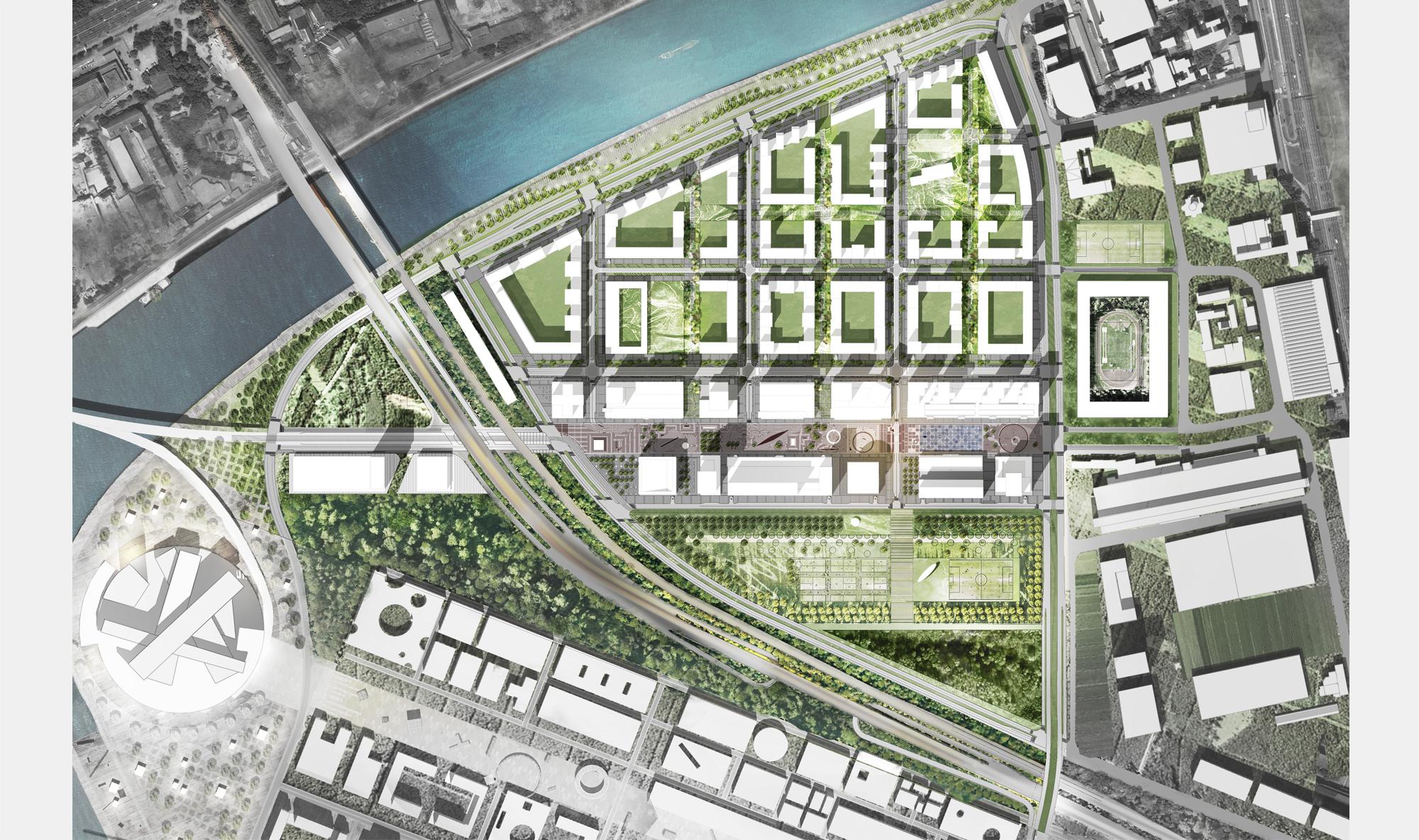
Core idea
Auto plant to mixed-use urban district
Why it matters
One of Moscow’s largest inner-city redevelopments
Description
The ZIL redevelopment, branded ZILART in its main residential phase, transforms the vast territory of the former Likhachev automobile plant in southern Moscow, planned from 2012 after the factory's closure was decided. Developed by LSR Group with the City of Moscow following an international masterplan competition, it replaces industrial sheds with a dense mixed-use district of housing, cultural venues, parks and a Moskva River embankment. At several hundred hectares it ranks among the largest inner-city redevelopment sites in Europe.
Significance
ZIL is the flagship of Moscow's post-Soviet conversion of 'rust belt' industrial zones inside the city, signalling the municipality's shift from peripheral expansion to inner-city intensification. The project is studied for its competition-led masterplanning, its cultural anchors, and the tension between design ambitions and standardised commercial housing delivery. It marks a key episode in the reworking of Soviet industrial heritage within a market-driven Russian planning context.
What shaped it
- Neoliberalism (1970s–1990s)
- Transit-oriented development (TOD) (1993)
- The master plan (early 20th c.)
- Global financial crisis (2007–2009)
Plans it influenced
- Moscow Zaryadye Park Plan (2013–2017)
Sources
- https://www.themoscowtimes.com/2015/11/12/99-years-of-zil-from-car-plant-to-potential-new-heart-
- https://www.mos.ru/en/news/item/24061073/