Neoliberalism
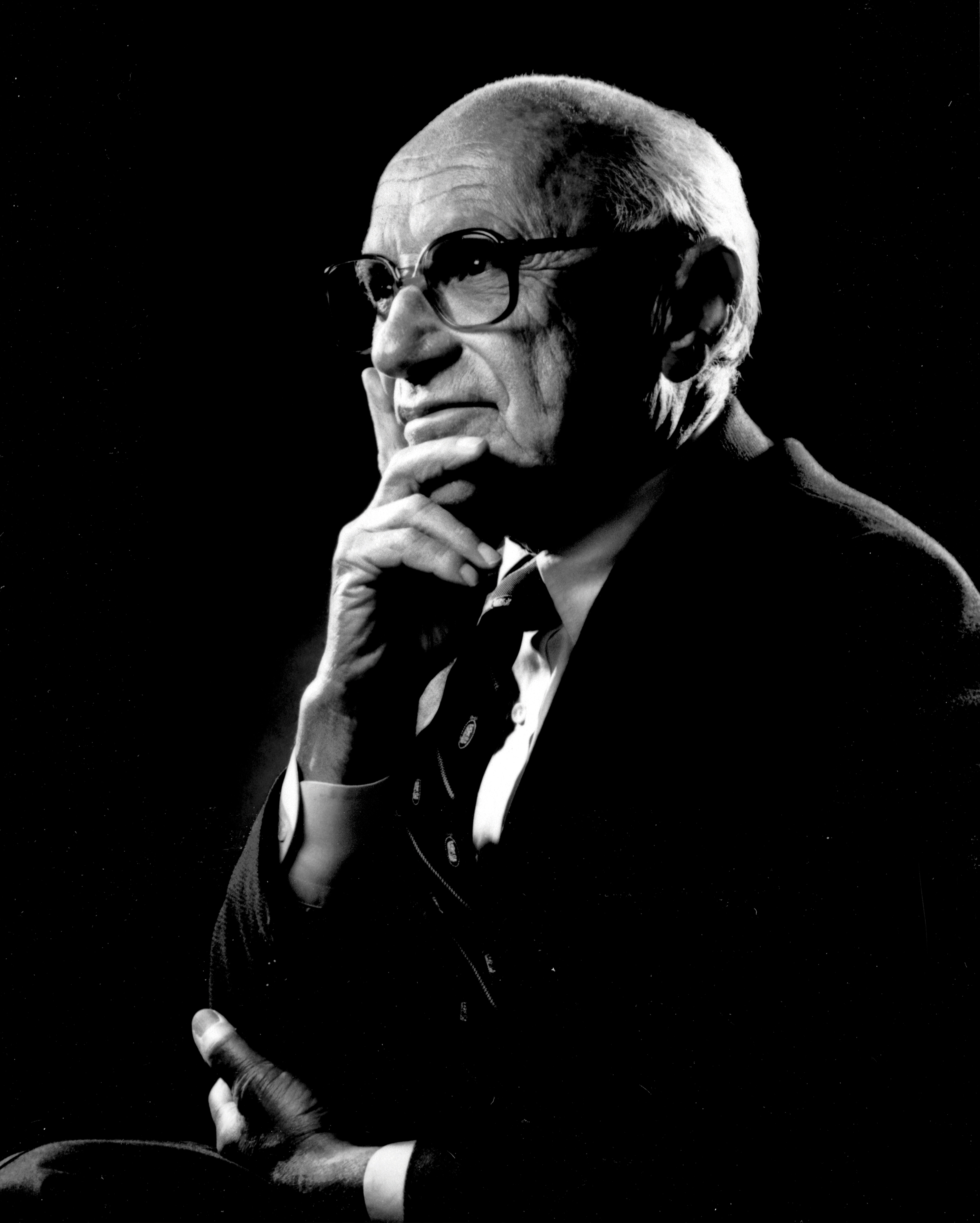
What it is
Neoliberalism is a revived free-market doctrine, drawing on thinkers such as Hayek and Friedman, that favours deregulation, privatisation, free trade, fiscal restraint and competition over state direction of the economy. It rose to dominance from the late 1970s in Anglo-American policy under Margaret Thatcher and Ronald Reagan, and in economics and academia, before spreading internationally. In urban policy it favoured market-led development, public-private partnerships and competition between cities for investment. It reframed government's role as enabling markets rather than directing them.
Why it matters
It recast planning around markets and entrepreneurialism, driving public-private regeneration, property-led redevelopment and the retreat of the comprehensive plan. Cities increasingly competed for capital and reshaped governance toward growth coalitions and deregulated development.
Plans it shaped
- London Docklands Regeneration (1981–)
- Shenzhen SEZ Master Plan (1982–2010)
- Canary Wharf Masterplan (Isle of Dogs) (1985–)
- Puebla Angelópolis Masterplan (1990s–)
- Bilbao Abandoibarra (1993–1998)
- Rotterdam Kop van Zuid Masterplan (1991)
- Ørestad (Copenhagen) (1992)
- Cyberjaya Masterplan (Malaysia) (1995–)
- Bonifacio Global City (BGC) Masterplan (Manila) (1995–)
- Ho Chi Minh City Thu Thiem New Urban Area (1996–)
- Melbourne Docklands Masterplan (1997–)
- Paddington Basin / Paddington Waterside (1998)