Cyberjaya Masterplan (Malaysia)
Core idea
IT corridor new town
Why it matters
Twin city to Putrajaya in MSC
Description
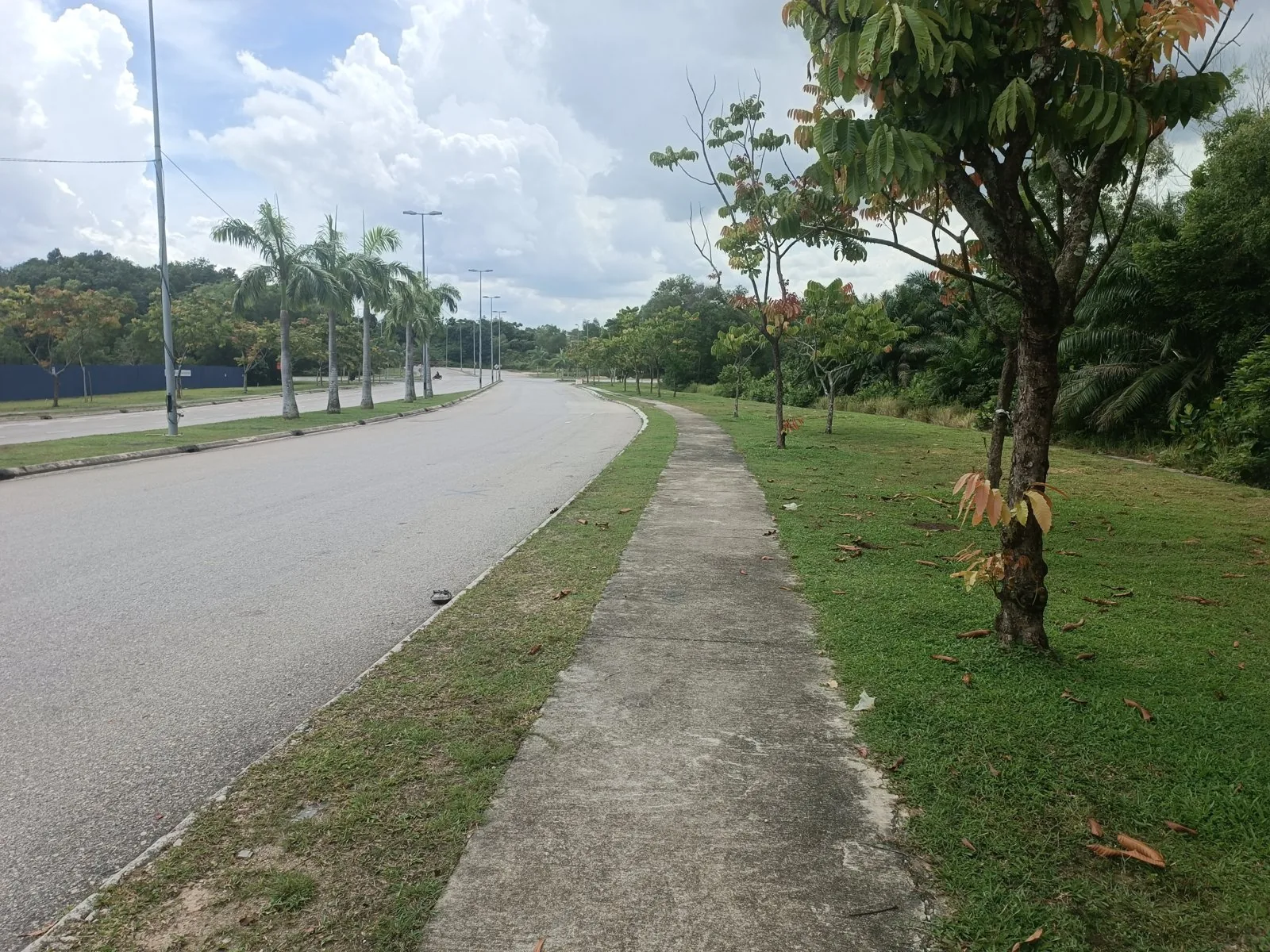
Cyberjaya, launched in 1995-97 south of Kuala Lumpur, is a purpose-built IT city forming the western pillar of Malaysia's Multimedia Super Corridor, developed by Setia Haruman with the Multimedia Development Corporation (MDeC) overseeing the corridor's investment regime. The master plan laid out a low-density, campus-like town of technology office parks, a flagship university, and residential neighbourhoods set in generous greenery, planned in tandem with the new federal capital Putrajaya as twin cities. It was conceived as Malaysia's answer to Silicon Valley within Vision 2020.
Significance
Cyberjaya is an early and much-studied example of the state-sponsored technology new town, exporting garden-city imagery into the digital economy era. It shaped subsequent Asian 'smart' and IT city ventures and illustrates both the promise and the limits of building innovation ecosystems by decree, as the city long struggled with low street life and slower-than-hoped private uptake. Its pairing with Putrajaya makes it central to analyses of Malaysia's late-1990s mega-project urbanism.
What shaped it
- The Internet & World Wide Web (1983 TCP/IP / 1991 Web)
- Garden Cities of To-Morrow (1898 / 1902)
- The master plan (early 20th c.)
- Neoliberalism (1970s–1990s)