Osaka Nakanoshima Redevelopment
Core idea
River islands with culture/finance
Why it matters
Waterfront urban regeneration
Description
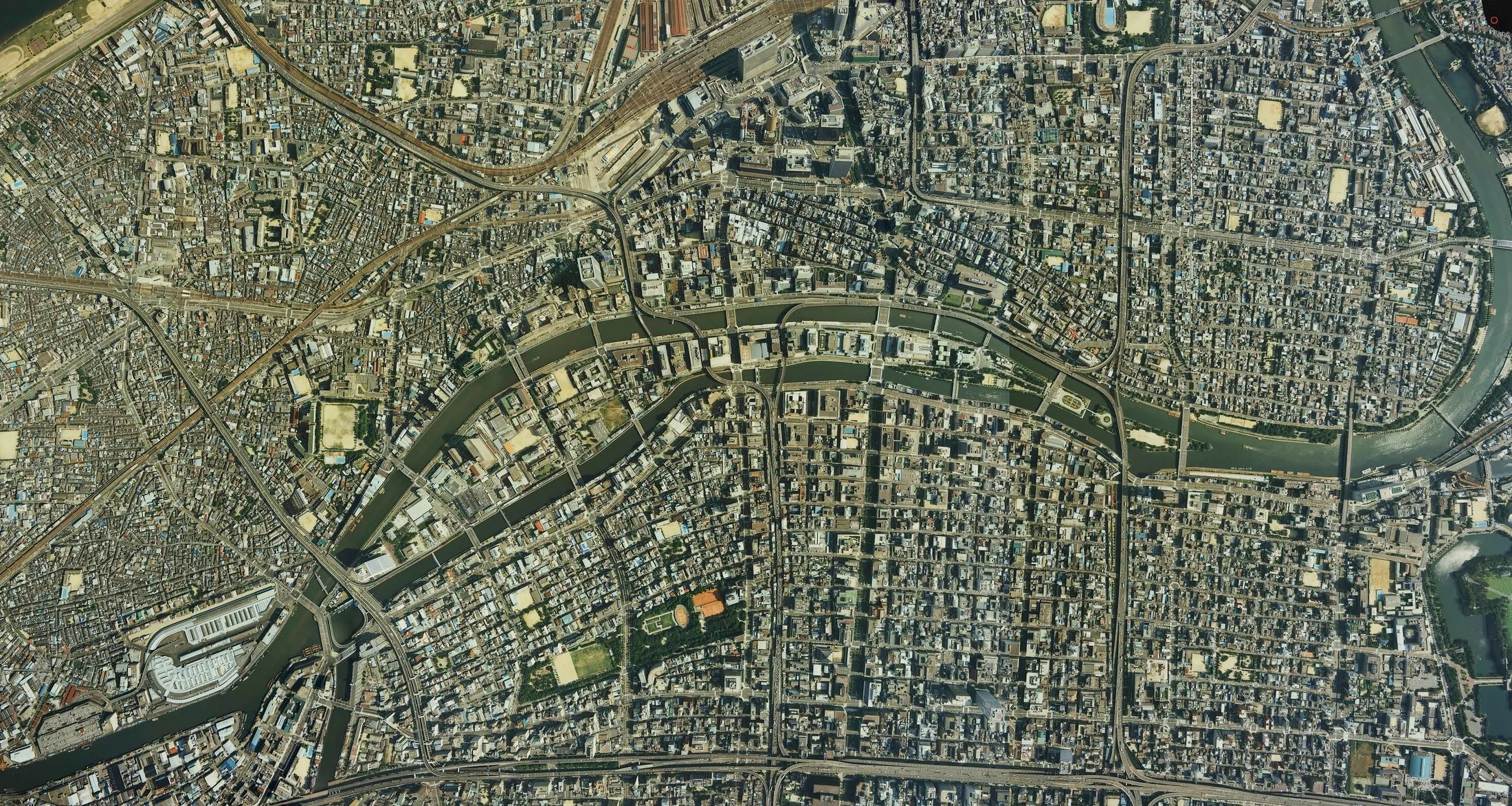
A redevelopment programme led by the City of Osaka from the 2000s for Nakanoshima, the narrow island between the Dojima and Tosabori rivers in the city centre. It reinforced the island's historic role as a civic and financial district with new office towers, riverside promenades and cultural institutions, including new museums and a science centre, alongside restored landmarks such as the Central Public Hall.
Significance
Nakanoshima illustrates the Japanese turn towards river- and waterfront-led regeneration in mature city centres, using culture and public realm to revalue land that modern Osaka had long treated as back-of-house. It has become the flagship of Osaka's 'water city' identity and a reference point for how dense East Asian centres can recover their relationship with urban rivers.
What shaped it
- Containerised-logistics scale-up (1970s–1990s)
- Asian financial crisis (1997–1998)
Sources
- https://www.city.osaka.lg.jp/contents/wdu020/enjoy/en/overview/policies_and_measures/nakanoshima
- https://en.wikipedia.org/wiki/Osaka