Rosario Plan Urbano
Core idea
Riverfront parks + brownfields
Why it matters
Model of Argentine secondary-city planning
Description
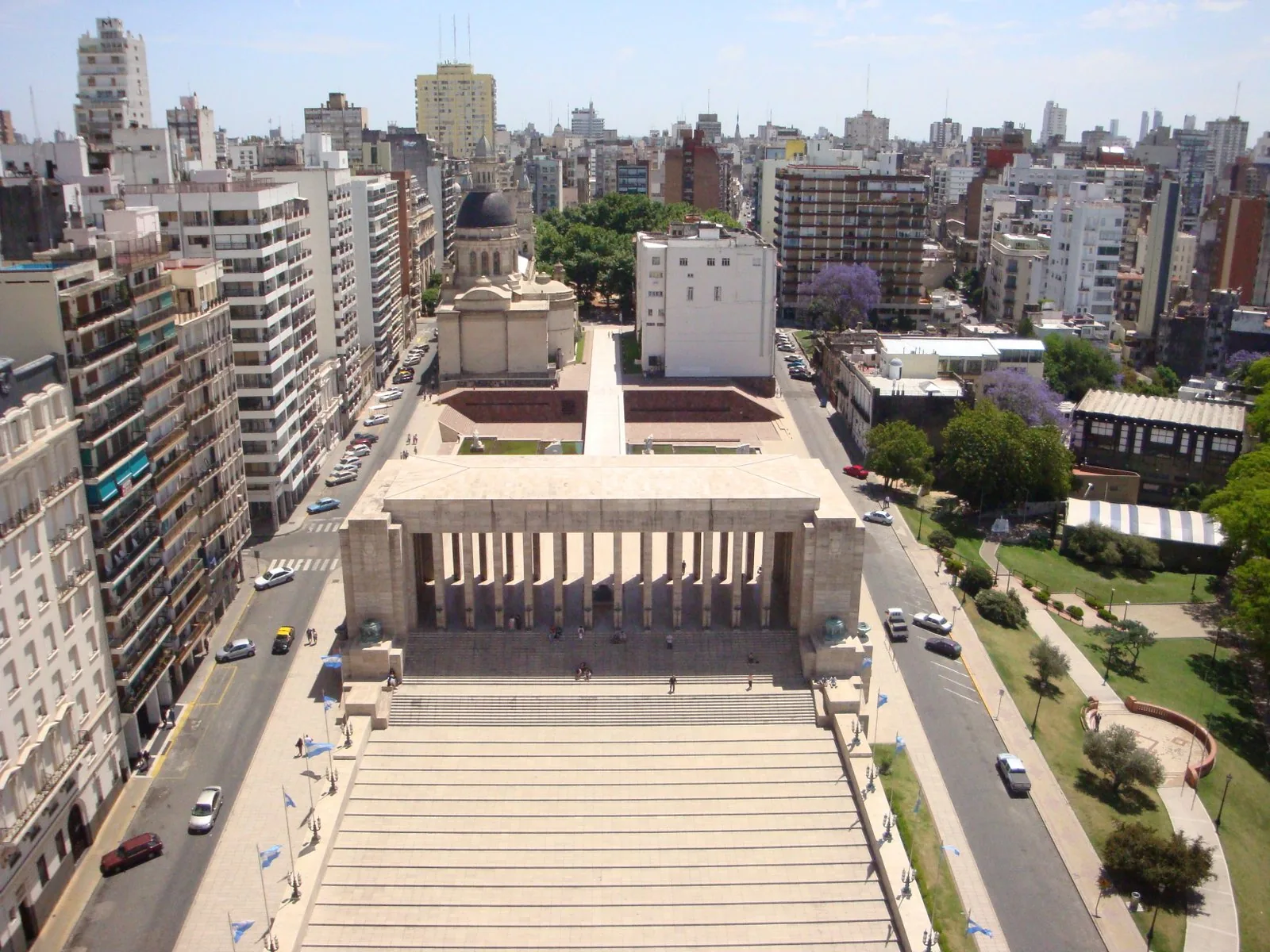
Rosario's Plan Urbano, elaborated by the municipality from 2007 and consolidated through the 2010s, is the strategic and regulatory framework for Argentina's third-largest city. Its central moves include the recovery of the Paraná riverfront as a continuous sequence of public parks on former port and rail land, the reconversion of central brownfields such as Puerto Norte into mixed-use quarters, and instruments for negotiated large-scale projects and value capture. The plan built on a longer local tradition of strategic planning dating from the 1990s.
Significance
Rosario is frequently presented as a model of Argentine and Latin American secondary-city planning, showing how a municipality outside the national capital could sustain a coherent, decades-long project of riverfront recovery and planning innovation. Its combination of strategic plans, public space investment and participatory instruments has been influential in regional planning circles, though Puerto Norte has also drawn criticism as elite waterfront enclave development.
What shaped it
- Landscape urbanism (Waldheim) (1997-2006)
- The linear park / greenway (1878 / 2009 revival)
- Advocacy planning (Davidoff) (1965)
Sources
- https://www.rosario.gob.ar/inicio/plan-urbano-2007-2017
- https://mininterior.gob.ar/planificacion/pdf/planes-loc/SANTAFE/Plan-Urbano-Rosario-2007-2017.pd
- https://www.redalyc.org/journal/196/19656548009/html/