Rotterdam Feyenoord City / Stadionpark
Core idea
South bank sports/urban regeneration
Why it matters
Area development in disadvantaged south
Description
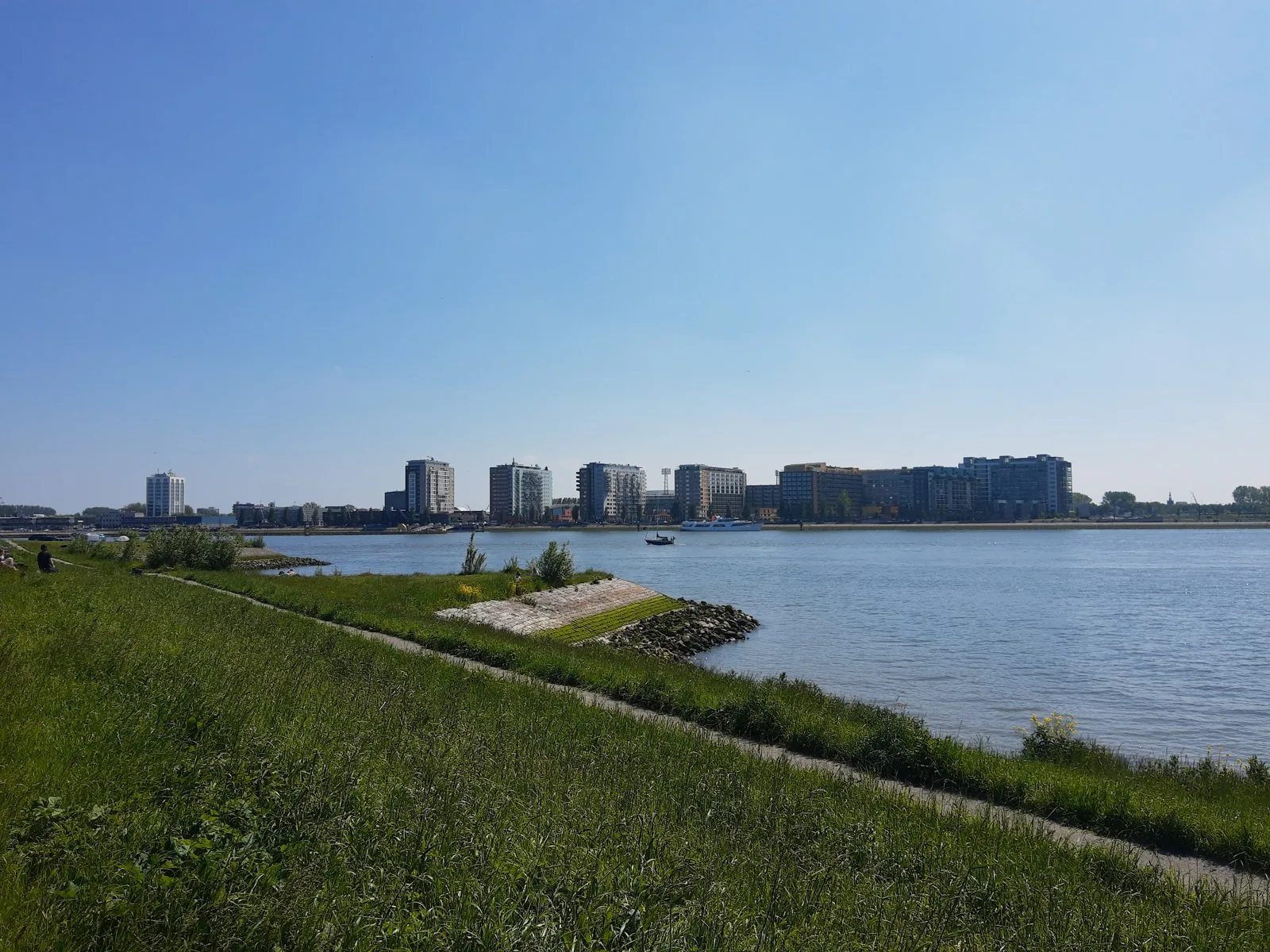
Feyenoord City, initiated by the Gemeente Rotterdam with the football club Feyenoord from 2016, is a regeneration programme for the south bank of the Nieuwe Maas centred on Stadionpark. The original masterplan, with OMA involved in its design, paired a new riverside stadium with housing, sports facilities and public space intended to lift the disadvantaged districts of Rotterdam-Zuid. The stadium was abandoned in 2022, but area development around the existing De Kuip and the wider Stadionpark has continued.
Significance
The project is a prominent European example of sports-anchored regeneration used as social policy, tied to the Dutch national programme for Rotterdam-Zuid. The collapse of the stadium scheme sharpened long-running debates about the financial fragility of stadium-led development and the risk of hanging neighbourhood renewal on a single anchor project. Its continuation without the stadium is watched as a test of whether area-based regeneration can outlive its original catalyst.
What shaped it
- The linear park / greenway (1878 / 2009 revival)
- Sustainable development (Brundtland) (1987)
- Transit-oriented development (TOD) (1993)
- The master plan (early 20th c.)
Sources
- https://www.archdaily.com/800531/omas-masterplan-for-feyenoord-city-in-rotterdam-approved
- https://www.oma.com/projects/feyenoord-city