St. Petersburg New Holland Island Redevelopment
Core idea
Historic naval island reuse for culture/public space
Why it matters
Landmark adaptive reuse in imperial core
Description
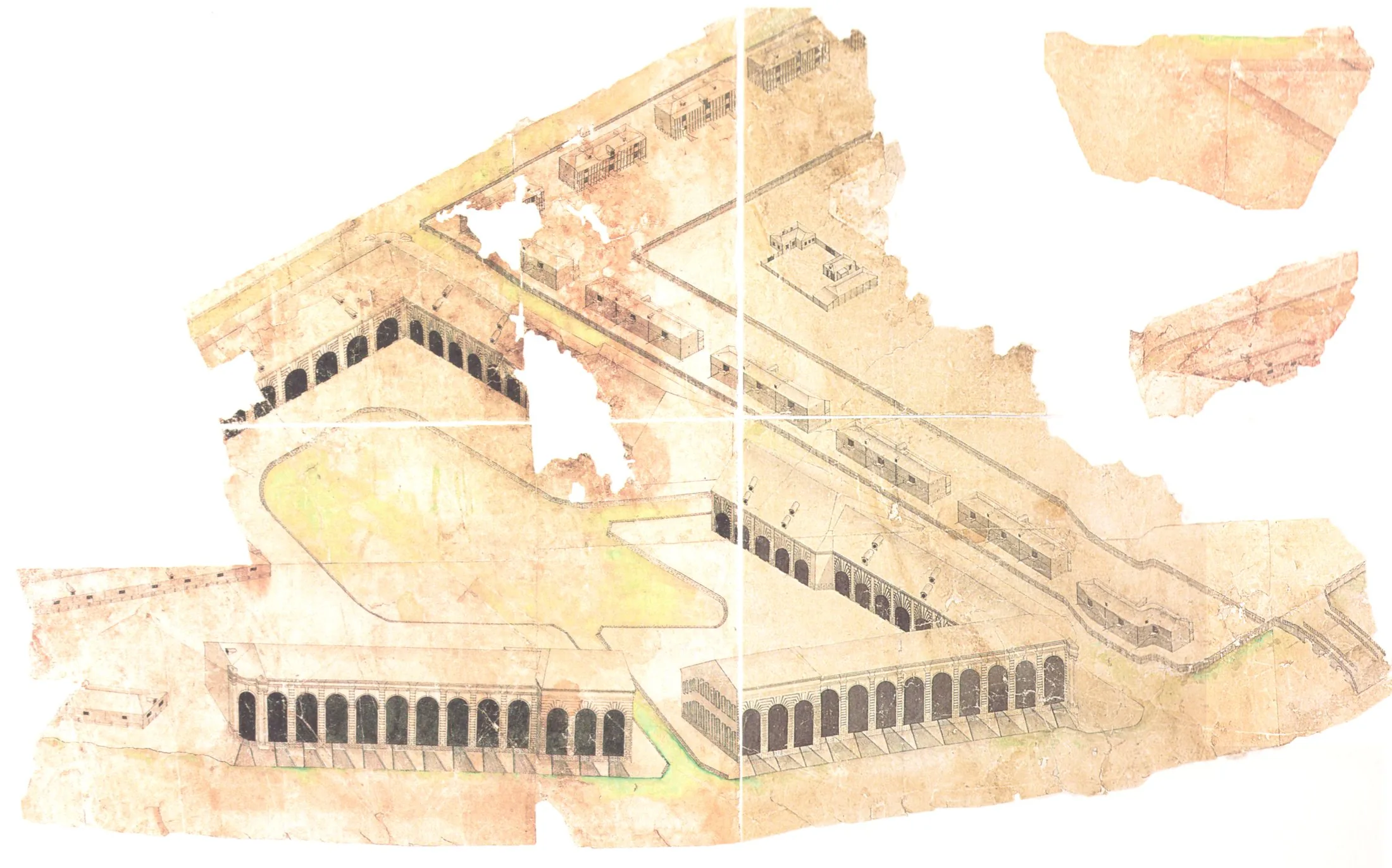
The New Holland Island redevelopment, begun in the 2010s, is the adaptive reuse of an eighteenth-century naval timber warehouse island in central St Petersburg, funded by Roman Abramovich's Millhouse and designed with WorkAC and West 8, who shaped the landscape and public realm. The triangular island's brick warehouses and rotunda prison were restored and converted to cultural, retail and hospitality uses, arranged around a new public park and pond. The project opened in stages as a curated cultural and leisure destination.
Significance
New Holland is a landmark of adaptive reuse within the baroque imperial core of St Petersburg, showing how protected naval heritage could be opened to public life after two centuries of closure. It is also emblematic of privately financed, culture-led regeneration in post-Soviet Russia, prompting debate about oligarch patronage, curated publicness and the selective gentrification of historic centres. The scheme replaced an earlier, unbuilt Foster + Partners proposal, itself a point of discussion about intervention in heritage settings.
What shaped it
- The Architecture of the City (1966)
- Landscape urbanism (Waldheim) (1997-2006)
- The pedestrian zone (1953)
Sources
- https://work.ac/work/new-holland-island-masterplan/
- https://www.archdaily.com/156067/workac-to-redesign-st-petersburgs-new-holland-island