Turin Lingotto & Spina 3/4 Redevelopment
Core idea
Rail corridor & former Fiat plant reuse
Why it matters
Industrial city reinvention
Description
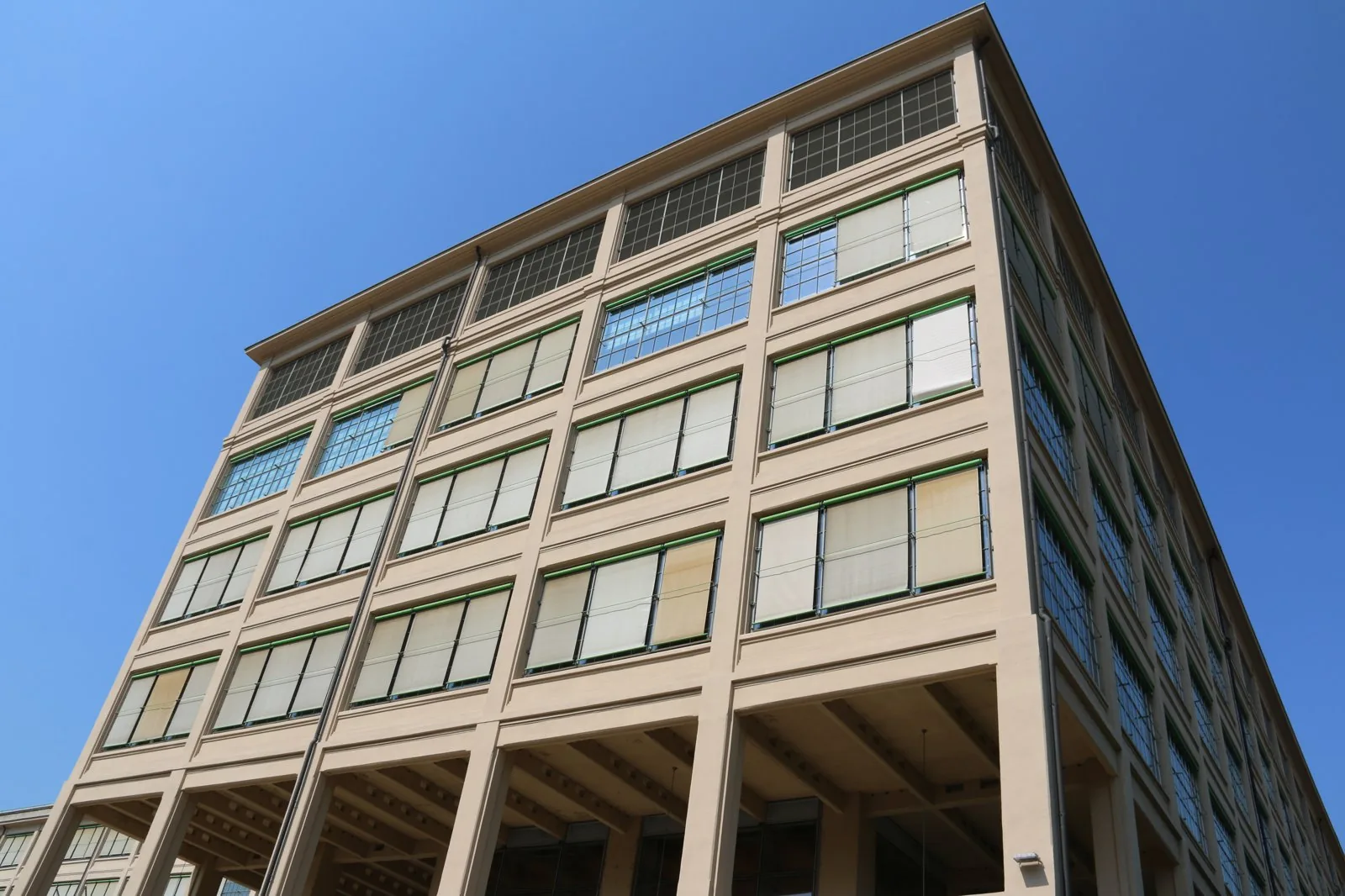
Turin's Lingotto conversion and the Spina redevelopments were the principal instruments of the city's post-Fordist restructuring from the 1990s, framed by the 1995 masterplan by Gregotti and Cagnardi for the Città di Torino. The burial of the central rail corridor created the Spina Centrale, a boulevard along which former industrial areas such as Spina 3, on Fiat and steelworks land, were rebuilt with housing, parks and services, while Renzo Piano converted the vast Lingotto factory into a mixed complex of fairs, offices and cultural uses.
Significance
Turin is a leading European example of a company town reinventing itself after the contraction of its dominant industry, using a rail corridor project to stitch redeveloped industrial land back into the city. The Spina programme, together with the 2006 Winter Olympics, is widely cited in debates on post-industrial regeneration, and Lingotto stands as an early landmark of adaptive reuse at the scale of a whole factory.
What shaped it
Plans it influenced
- Turin Spina 3/4 (2000s)
- Bilbao Abandoibarra (1993–1998)
Sources
- https://it.wikipedia.org/wiki/Spina_Centrale
- https://www.rpbw.com/project/lingotto-factory-conversion