Vigan (Spanish Colonial Town)
Core idea
Laws-of-the-Indies grid town with twin plazas and a mestizo quarter.
Why it matters
Best-preserved planned Spanish colonial town in Asia.
Description
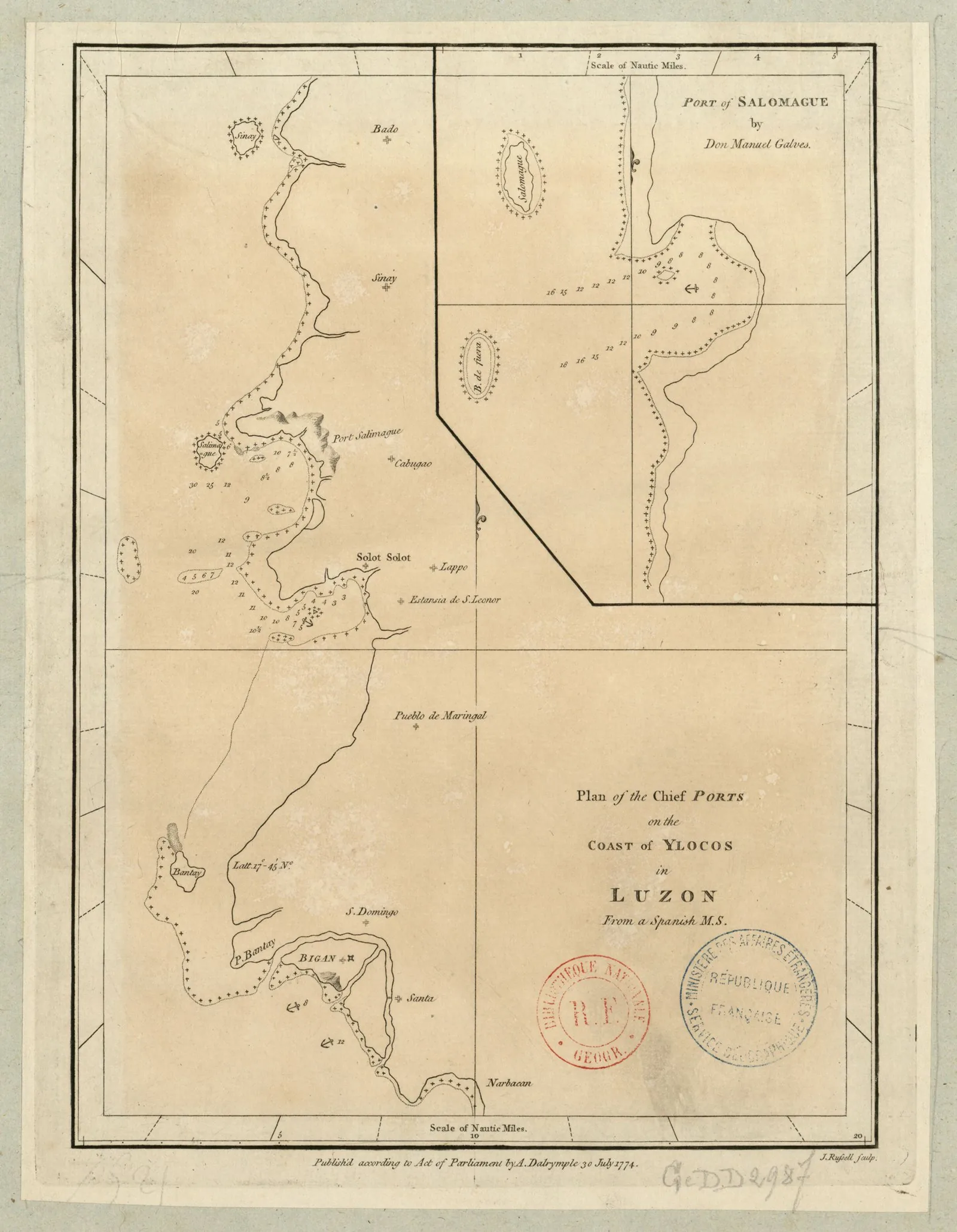
Vigan, founded in 1572 by Juan de Salcedo as Villa Fernandina, is the best-preserved planned Spanish colonial town in Asia. Its plan, patterned on Intramuros in Manila, follows the gridiron prescribed by the Laws of the Indies, organised around the twin civic and religious spaces of Plaza Salcedo and Plaza Burgos. The streets of the Chinese-mestizo merchant quarter are lined with distinctive ancestral houses fusing Filipino, Chinese and European forms. This unusually intact ensemble, an enduring trading town on the Ilocos coast, was inscribed on the UNESCO World Heritage List in 1999 for its synthesis of Asian and European urban traditions.
Significance
Vigan is significant as the most complete surviving example of a Spanish colonial grid town in Asia, demonstrating how the Laws of the Indies projected a standardised European urban model across the Pacific. Its twin plazas, regular streets and hybrid mestizo houses record the meeting of Filipino, Chinese and Hispanic building cultures, making it an exceptional and well-preserved document of early-modern colonial town-planning and a UNESCO World Heritage Site.
What shaped it
- Laws of the Indies (1573)
- Spanish conquest of the Americas (1519–1572)
- The grid (c. 2500 BCE)