Warsaw Centrum Praskie Koneser Area Plan
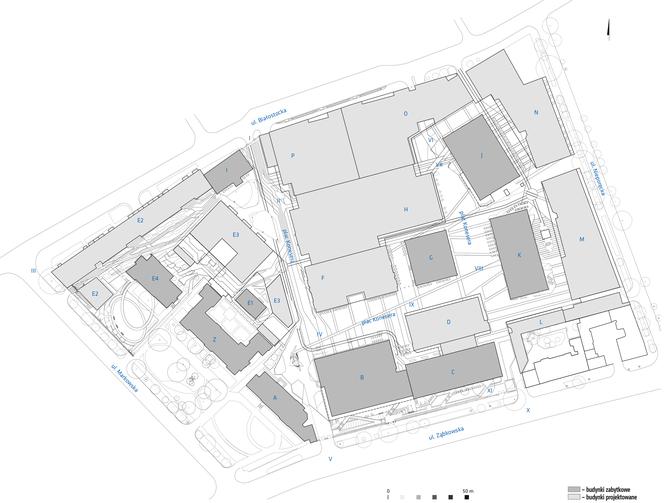
Core idea
Vodka factory reuse into mixed-use
Why it matters
Model of industrial heritage urbanism in CEE
Description
Centrum Praskie Koneser is the 2010s redevelopment of the former Warsaw Vodka Factory 'Koneser' in the Praga district, carried out by developer BBI Development with Liebrecht & wooD. The plan converted the protected nineteenth-century brick distillery complex into a mixed-use quarter of offices, flats, shops, cultural venues and the Polish Vodka Museum, arranged around new public squares within the retained industrial fabric.
Significance
Koneser is regarded as a model of industrial heritage regeneration in Central and Eastern Europe, where post-socialist cities long favoured demolition and new build over adaptive reuse. Located in Praga, Warsaw's surviving pre-war district east of the Vistula, it has anchored the area's revival while fuelling debate about gentrification and the displacement of poorer residents. The project is frequently cited as evidence that heritage-led, mixed-use development is commercially viable in the region.
What shaped it
- Neoliberalism (1970s–1990s)
- Transit-oriented development (TOD) (1993)
- The Leipzig Charter on Sustainable European Cities (2007 (renewed 2020))
Sources
- https://liebrecht-wood.com/projects/centrum-praskie-koneser/
- https://www.across-magazine.com/centrum-praskie-koneser-the-most-frequently-awarded-mixed-use-in