Zurich 2000-Watt Society Implementation
Core idea
Per-capita energy cap guiding urban form
Why it matters
Operational climate urbanism
Description
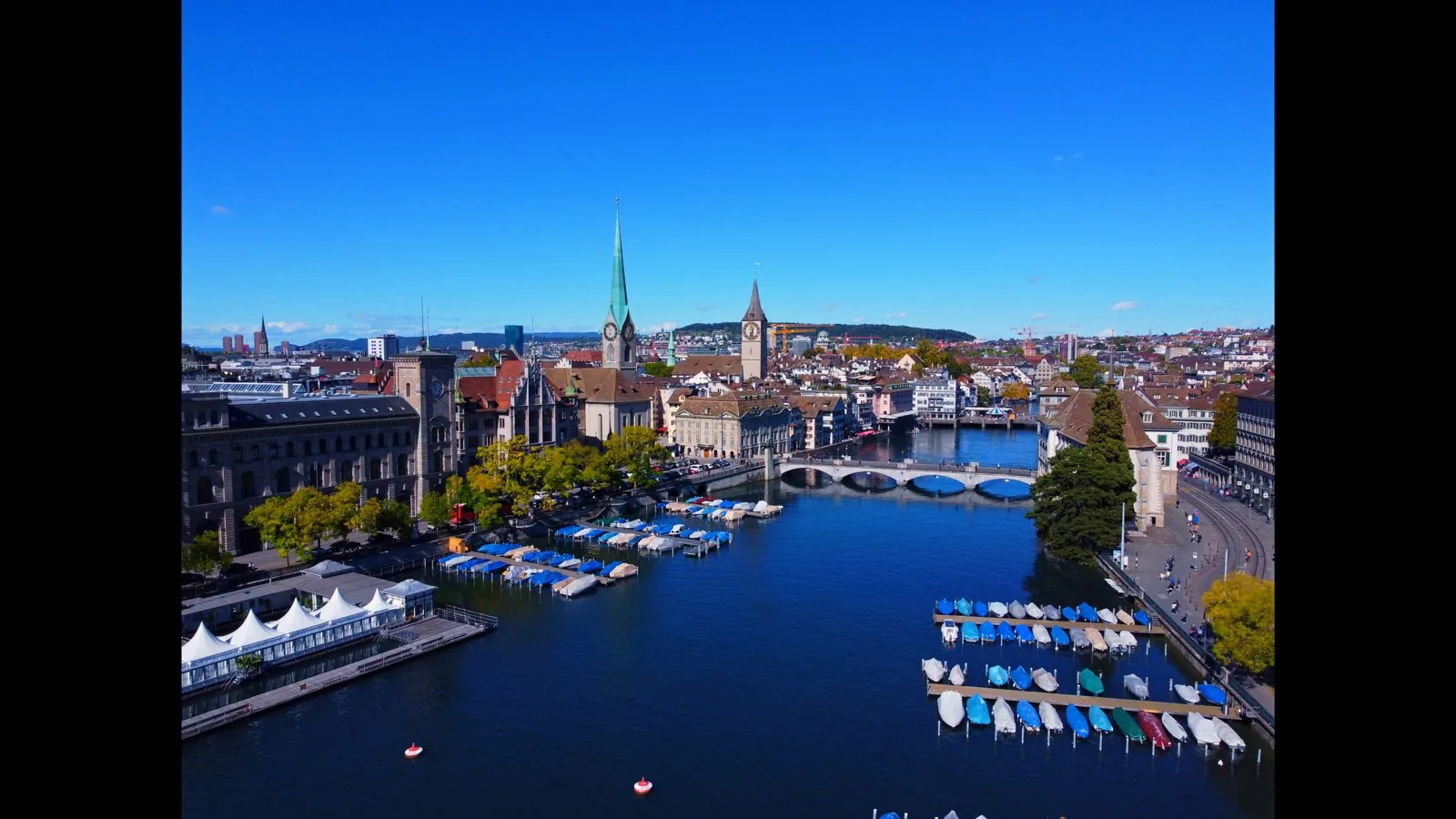
Zurich's 2000-Watt Society implementation follows a 2008 referendum in which citizens voted to embed the goal—reducing continuous per-capita energy use towards 2,000 watts and cutting greenhouse-gas emissions—in the municipal constitution. Rather than a single physical plan, it is a policy framework administered by the City of Zurich that guides building standards, district development, retrofitting programmes and municipal investment, with certified '2000-watt sites' demonstrating the approach at neighbourhood scale.
Significance
Zurich's programme is a landmark of operational climate urbanism: it translated a scientific energy-budget concept into a democratically mandated, measurable constraint on urban development. It has influenced Swiss and European practice in energy-oriented district planning and certification, and is frequently cited in debates about how quantified sustainability targets can reshape urban form, tenure and everyday consumption.
What shaped it
- Sustainable development (Brundtland) (1987)
- Kyoto Protocol (1997)
- World becomes majority urban (2007)
- The compact city (1973-1990s)
- Degrowth (2008)
Plans it influenced
Sources
- https://www.stadt-zuerich.ch/portal/en/index/portraet_der_stadt_zuerich/2000-watt_society.html
- https://energytransition.org/2015/02/zuerich-on-path-to-2000-watt-society/