6th of October City Master Plan (Egypt)
Core idea
Satellite new town west of Cairo
Why it matters
Classic Middle Eastern new town planning
Description
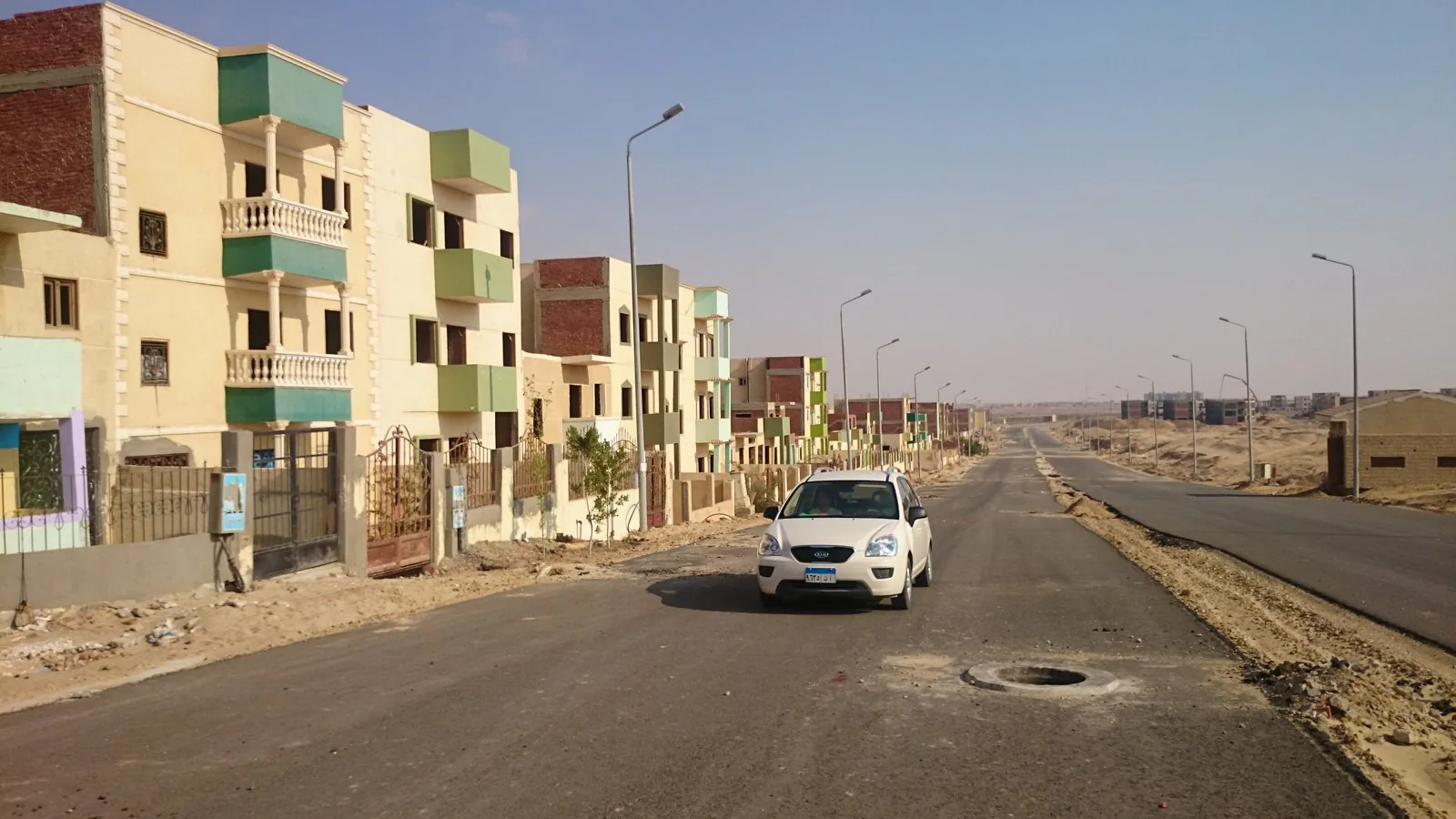
The 6th of October City master plan of 1979 established a satellite new town on the desert plateau west of Cairo, one of the first generation of Egyptian new towns developed under the New Urban Communities Authority. The plan laid out residential districts, industrial zones and a service spine intended to draw population and manufacturing away from the congested Nile valley, at a deliberate distance from the existing agglomeration. It has since grown into a city of substantial size, absorbing universities, media industries and large private housing developments.
Significance
The city typifies the state-led desert new town programme with which Egypt sought to redirect metropolitan growth, a model that has shaped Middle Eastern and North African planning from the 1970s to the present. Its mixed record, with strong industrial and later private-sector growth alongside persistent difficulties in attracting lower-income residents from Cairo, has made it central to debates on whether satellite towns can genuinely decongest primate cities.
What shaped it
- UN Habitat I (1976)
- The master plan (early 20th c.)
- Garden Cities of To-Morrow (1898 / 1902)
Plans it influenced
Sources
- https://en.wikipedia.org/wiki/New_Urban_Communities_Authority
- https://unhabitat.org/sites/default/files/download-manager-files/LEGISLATIVE%20ANALYSIS%20TO%20S