Glasgow Clyde Waterfront Regeneration
Core idea
River Clyde redevelopment
Why it matters
UK post-industrial riverfront renewal
Description
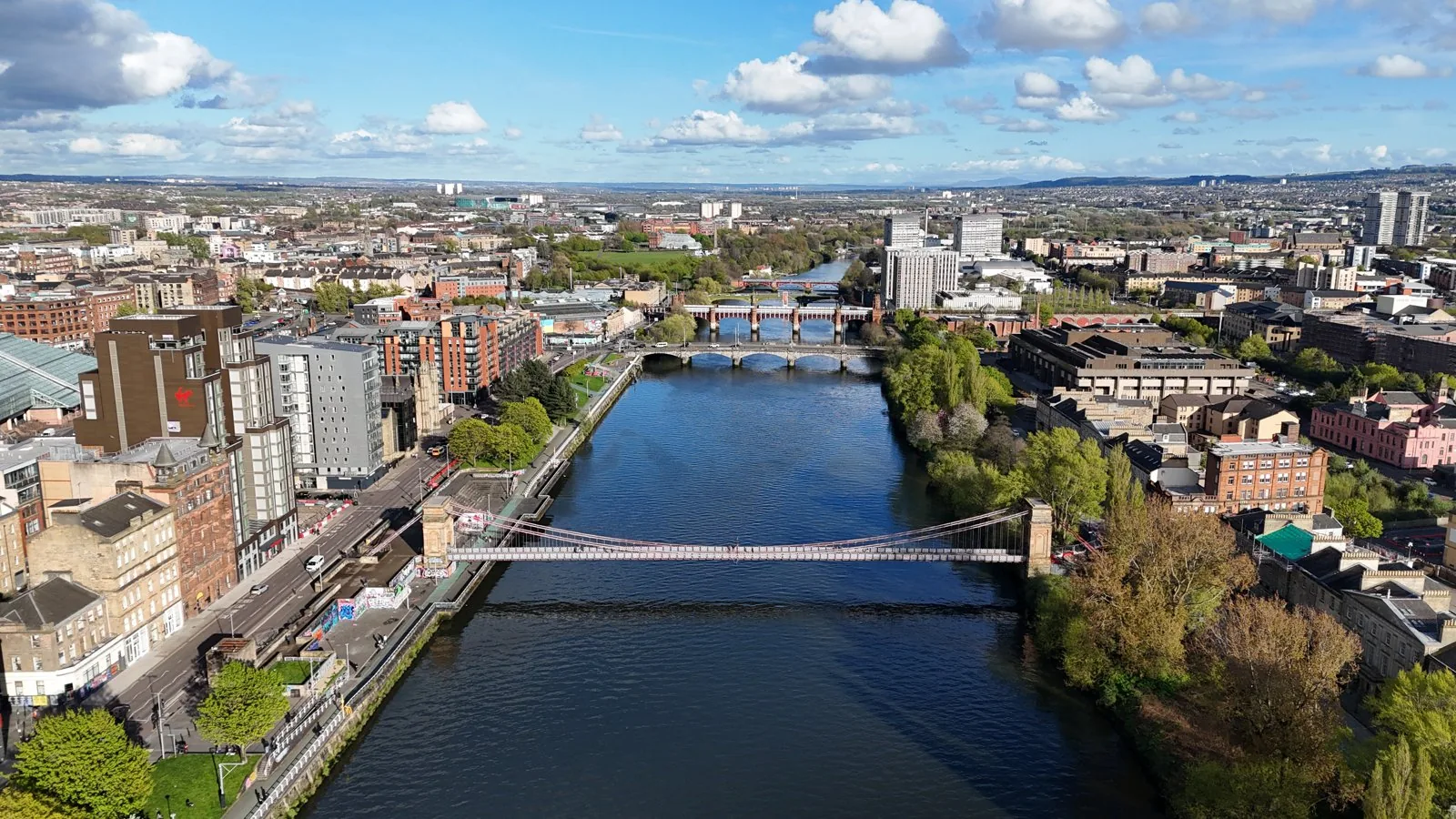
The Clyde Waterfront regeneration is a long-running programme led by Glasgow City Council with Scottish Enterprise and other partners to redevelop the banks of the River Clyde after the collapse of shipbuilding and river trade. From the 2000s it has delivered projects including Glasgow Harbour housing, the extended exhibition centre and Hydro arena, Pacific Quay's media campus and the Riverside Museum, alongside new bridges and walkway connections.
Significance
The programme is a prominent British case of post-industrial riverfront renewal in a city whose identity was bound to heavy industry. Its reliance on flagship cultural and leisure projects has drawn both praise for re-establishing the river in civic life and criticism for fragmented, development-led results that connect weakly to adjacent deprived communities.
What shaped it
- Containerised-logistics scale-up (1970s–1990s)
- Neoliberalism (1970s–1990s)
- Learning from Las Vegas (1972)
- Thatcher–Reagan deregulation (1979–1989)
Sources
- https://en.wikipedia.org/wiki/Clyde_Waterfront_Regeneration
- https://www.glasgow.gov.uk/article/2473/Clyde-Waterfront-and-West-End-Innovation-Quarter