Lakkundi (Chalukya Temple Town)
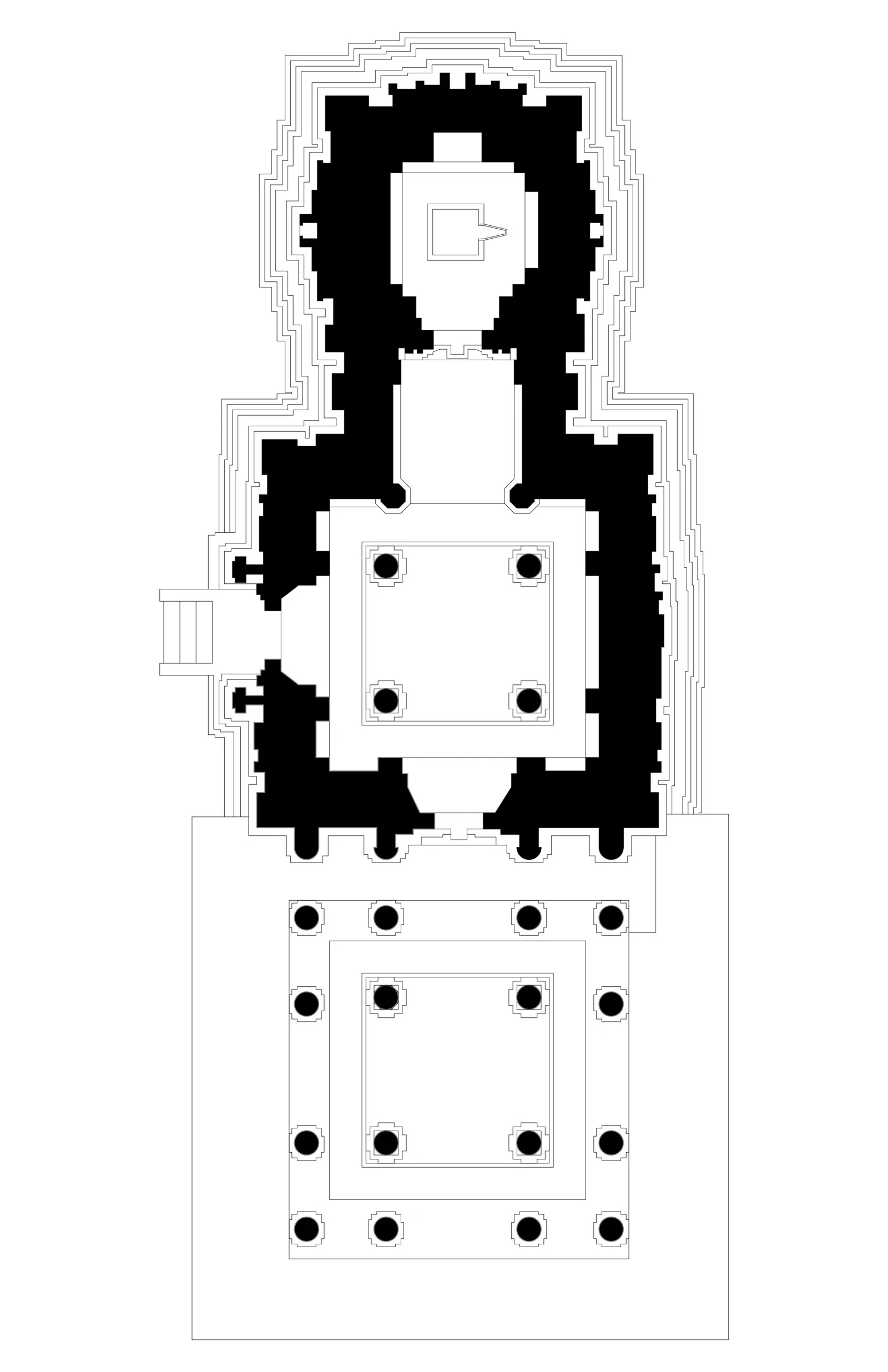
Core idea
Deccan temple-and-stepwell town of the Kalyana Chalukyas.
Why it matters
Exemplar of medieval Deccan temple urbanism and water management.
Description
Lakkundi, the historic Lokkigundi, flourished from the tenth to thirteenth centuries as a major town of the Western (Kalyana) Chalukyas and briefly a Hoysala capital. Celebrated as a 'village of a hundred wells and temples', it integrated some fifty Chalukya-style shrines, including the Jaina Brahma Jinalaya (c. 1007, patronised by Queen Attimabbe) and the ornate Kasivisvesvara temple, with around a hundred stepwells (kalyanis) such as Chateer Bavi and Musukina Bavi. A mint struck the Lokkigadyana and Lokkinishta coins. The dense interweaving of sacred architecture, sculpted stepwells and inscriptions makes it a model of medieval Deccan water-urbanism.
Significance
Lakkundi is significant as a remarkably complete medieval Deccan settlement in which temples, sculpted stepwells and a mint were woven into a single sacred and economic landscape. Its concentration of Kalyana Chalukya architecture and elaborate kalyanis illustrates how water management and temple-building together structured an Indian town, offering rare physical evidence of the religious, hydraulic and commercial fabric of the early-medieval Deccan.
What shaped it
- Hinduism & the Vedas (c. 1500 BCE onward)
- The stepwell (baoli / vav) (c. 6th c. CE onward)