Hinduism & the Vedas
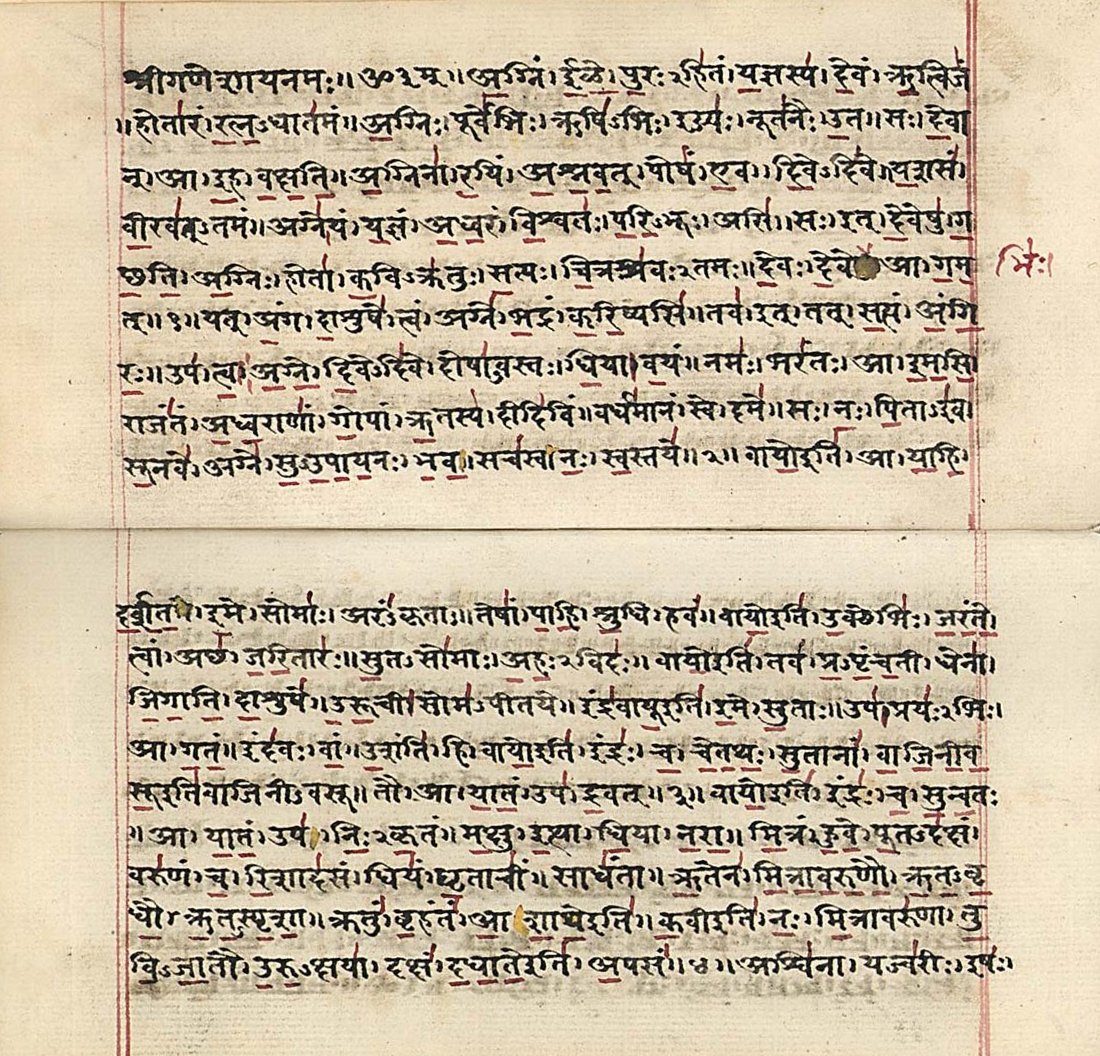
What it is
From roughly 1500 BCE the Vedas, a body of Sanskrit hymns and ritual texts, were composed and transmitted orally across the northern Indian subcontinent, forming the oldest layer of what later became Hinduism. The tradition grew into a diverse family of beliefs and practices organised around dharma, karma, rebirth and a vast pantheon, with no single founder or central authority. Ritual prescription extended to the ordering of settlements, temples and domestic space, later systematised in the Vastu and Shilpa textual traditions. Hinduism became the dominant religious and social framework of the subcontinent.
Why it matters
It supplied the cosmological and ritual logic behind South Asian temple-towns, sacred geography and the spatial expression of caste. Its ideas of orientation, axiality and the consecrated ground shaped settlement and temple planning for millennia.
Plans it shaped
- Angkor (Khmer Empire) (c. 9th–13th c.)
- Srirangam (Temple Island City) (c. 10th–17th c.)
- Thanjavur (Tanjore) (c. 10th–11th c.)
- Belur & Halebidu (Hoysala Capitals) (c. 11th–14th c.)
- Madurai (Temple City) (c. 16th–17th c.)
- Jaipur (1727)
- Ancient City of Polonnaruwa (c. 1056–1232 CE)
- Kanchipuram (Pallava Temple Capital) (c. 6th century)
- Gangaikonda Cholapuram (Chola Imperial Capital) (c. 1025)
- Chidambaram (Nataraja Temple-Town) (c. 10th–13th c.)
- The Sapta-Prakaram Dravidian Temple-Town Model (codified c. 10th–17th c.)
- Tiruvannamalai (c. 11th–17th c.)