Thanjavur (Tanjore)
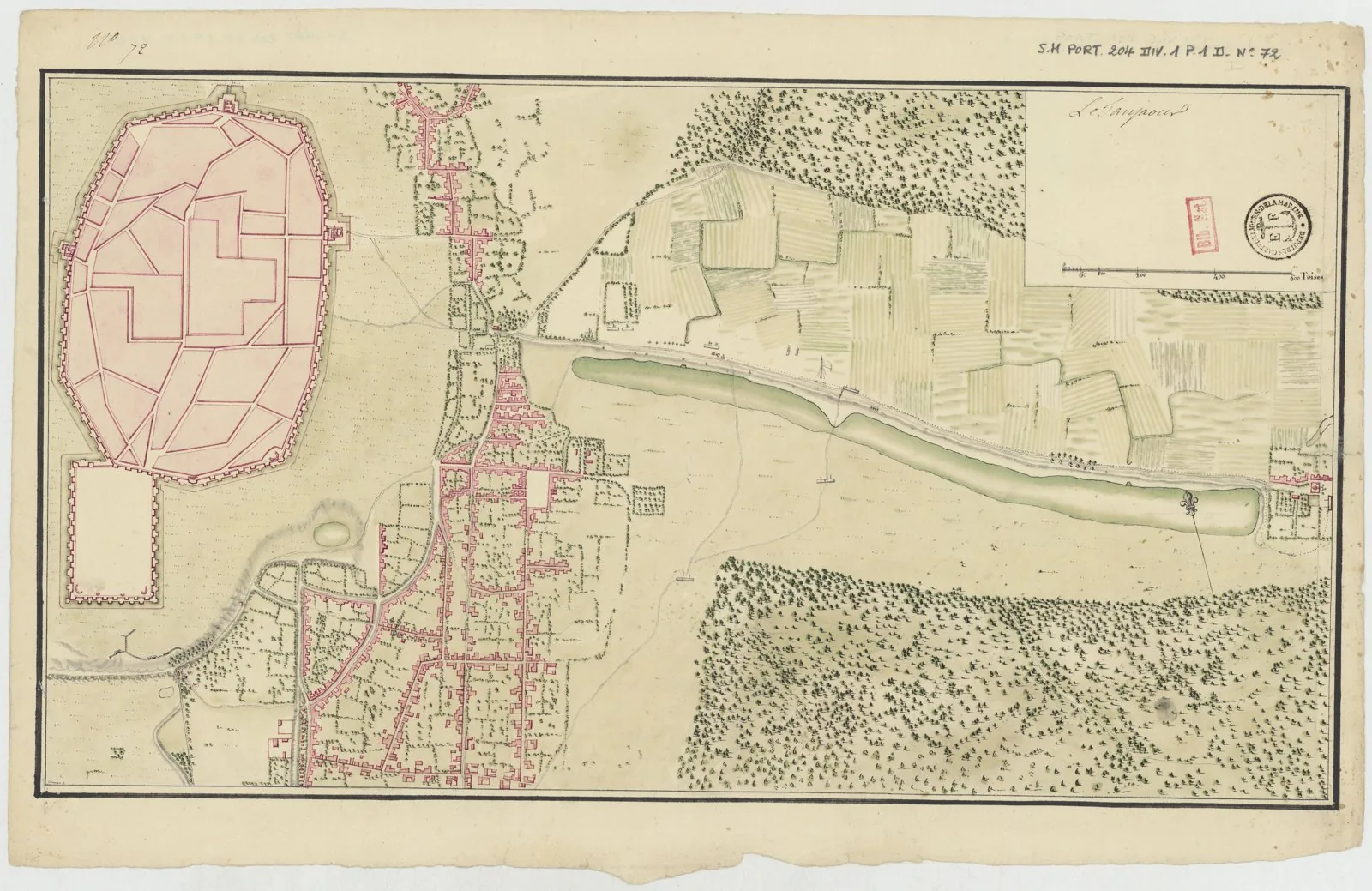
Core idea
Chola capital organized around the Brihadeeswarar Temple — a single monumental structure anchoring the entire city's spatial and economic logic
Why it matters
Demonstrates how a temple functions as urban infrastructure: granary, bank, employer, and spatial anchor for surrounding settlement
Description
Thanjavur, in the Kaveri delta of Tamil Nadu in southern India, was rebuilt as the Chola imperial capital around the tenth and eleventh centuries, above all under Rajaraja I, who completed the Brihadeeswarar Temple in the early eleventh century. This single monumental granite temple, among the largest in India, anchored the city's spatial and economic order, with settlement, markets and irrigation organised around its walled precinct and sustained by the delta's canal systems.
Significance
Thanjavur demonstrates how a South Indian temple operated as urban infrastructure, functioning as granary, bank, landowner, employer and ritual centre for the surrounding settlement. It is the founding example of the Tamil temple-city model later elaborated at Madurai and Srirangam, and the Brihadeeswarar Temple, a UNESCO World Heritage site, remains central to accounts of sacred economy as a generator of urban form.
What shaped it
- Hinduism & the Vedas (c. 1500 BCE onward)
- The vastu-purusha mandala diagram (c. 6th c. CE (codified))
Plans it influenced
- Madurai (Temple City) (c. 16th–17th c.)
- Vijayanagara (Hampi) (c. 14th–16th c.)
- Gangaikonda Cholapuram (Chola Imperial Capital) (c. 1025)