Kanchipuram (Pallava Temple Capital)
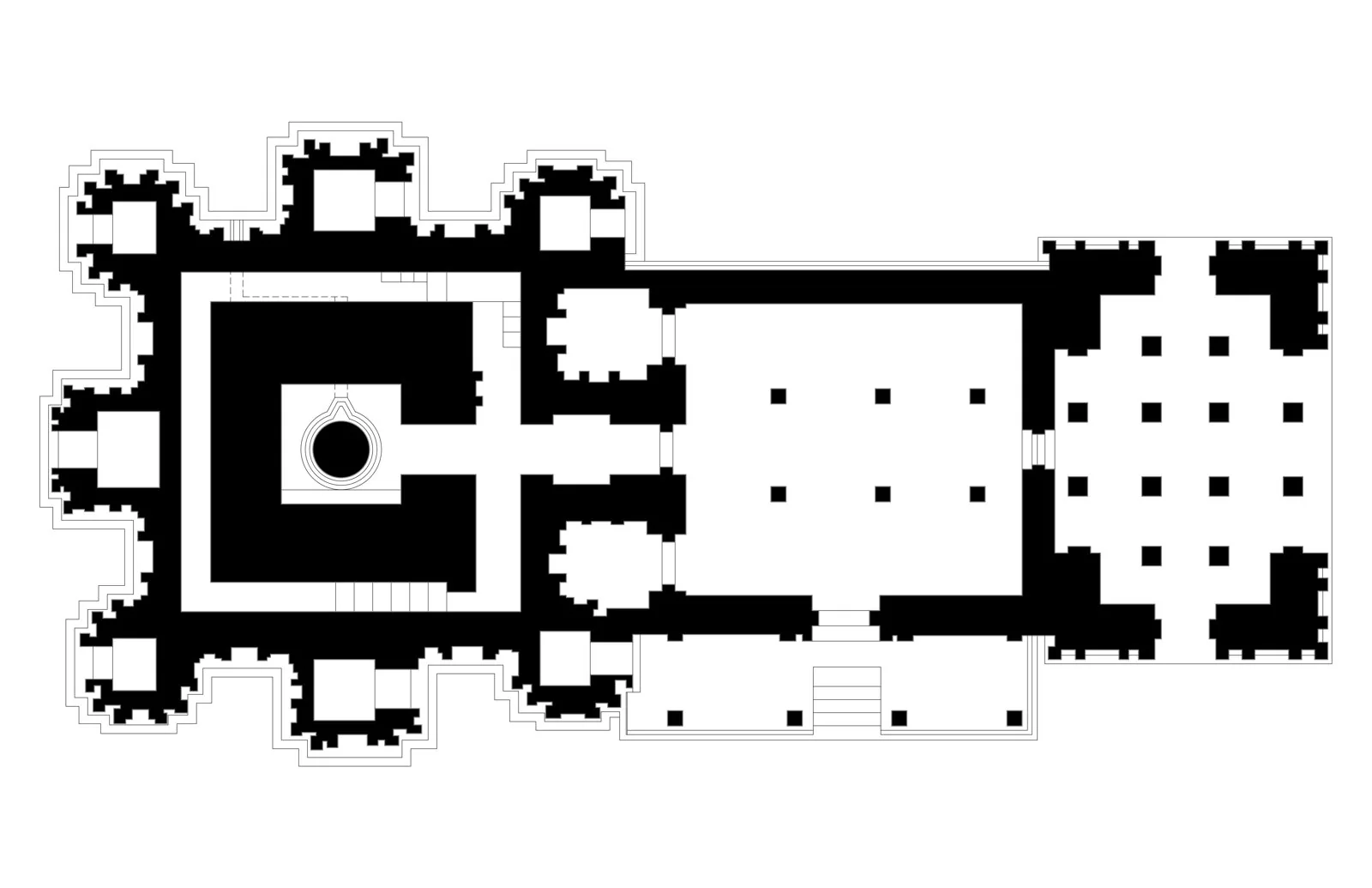
Core idea
Fortified Pallava capital and temple city, ramparts and moats enclosing a road network linking temple precincts
Why it matters
A major South Indian sacred capital combining fortification with temple-centred planning and learning
Description
From the sixth century the Pallava dynasty made Kanchipuram its principal capital, withdrawing southward from northern pressures to a city in the Tamil plains that became celebrated as the 'city of a thousand temples'. The Pallavas fortified it with ramparts, wide moats and a system of well-laid-out roads connecting its many temple precincts, and a Chinese pilgrim who visited around 640 recorded a circuit of some six miles. Under rulers from Narasimhavarman I onward the city flourished as a centre of structural temple-building — exemplified by the early-eighth-century Kailasanathar temple — and as a renowned hub of Hindu and Buddhist learning, drawing scholars and pilgrims across South and Southeast Asia.
Significance
Kanchipuram stands as one of South India's great sacred capitals, where dynastic power, temple patronage and scholarship were fused into a fortified temple city. Its ramparts, moats and temple-linked street network represent an early and influential model of South Indian urban form, and its temples and learning made it a cultural reference point whose architectural innovations radiated through later Tamil and wider Indic temple urbanism.
What became of it
Fortified Pallava capital and temple city from roughly the 3rd-9th centuries; its ramparts and moats have largely vanished but its Pallava-era temples (e.g. Kailasanathar, Vaikuntha Perumal) survive, and Kanchipuram continues as a living temple city.
What shaped it
- Vastu Shastra / Mayamata / Manasara (c. 6th c. CE)
- The vastu-purusha mandala diagram (c. 6th c. CE (codified))
- Hinduism & the Vedas (c. 1500 BCE onward)
- The grid (c. 2500 BCE)
Plans it influenced
- Madurai (Temple City) (c. 16th–17th c.)
- Srirangam (Temple Island City) (c. 10th–17th c.)
- Chidambaram (Nataraja Temple-Town) (c. 10th–13th c.)
- The Sapta-Prakaram Dravidian Temple-Town Model (codified c. 10th–17th c.)
Sources
- https://en.wikipedia.org/wiki/Kanchipuram
- https://www.worldhistory.org/article/1336/on-the-pallava-trail-in-kanchipuram/