Saadiyat Island Masterplan (Abu Dhabi)
Core idea
Cultural district with Louvre/ Guggenheim (proj.) and campuses
Why it matters
Culture-led urbanization on new land
Description
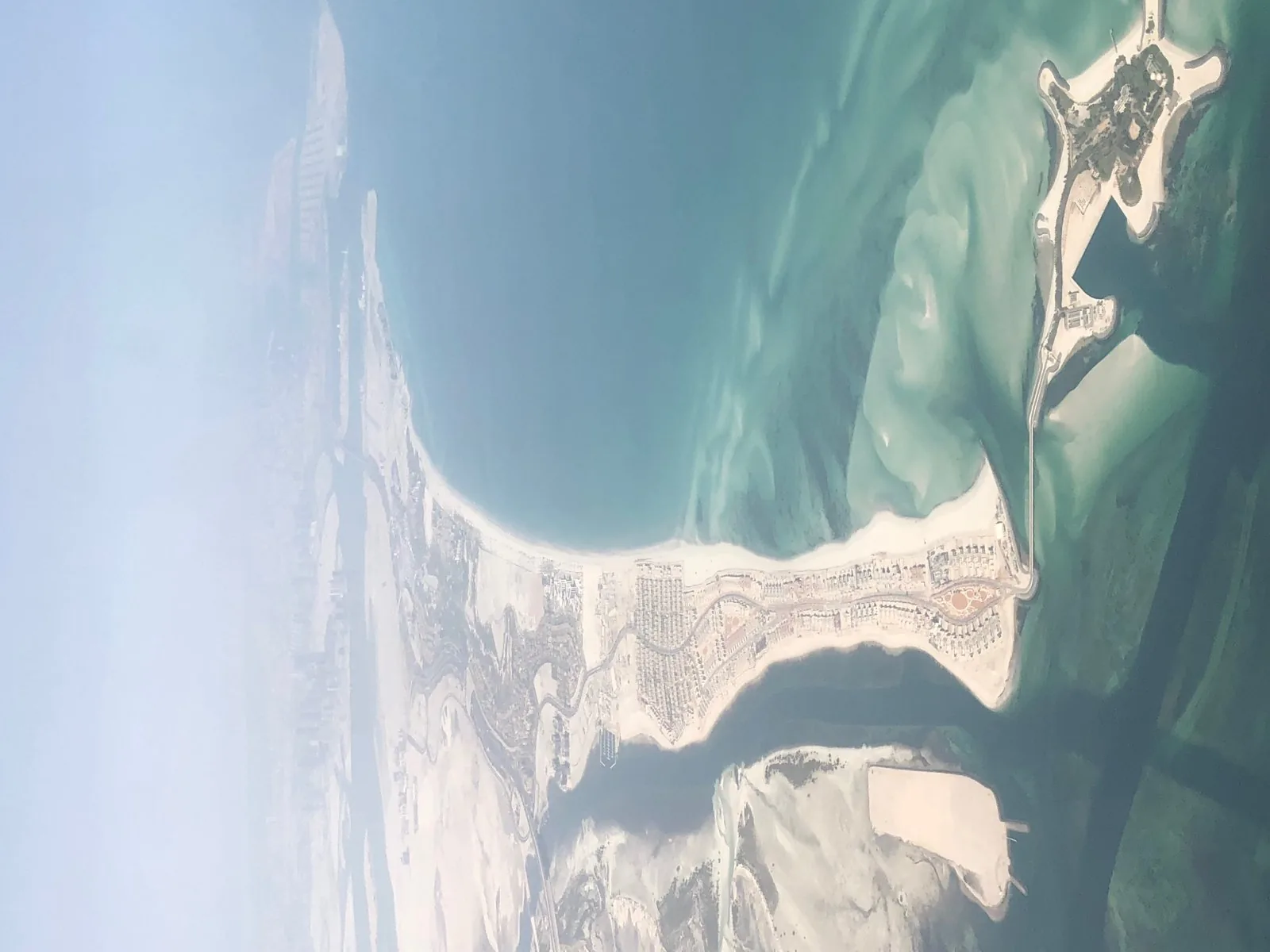
The Saadiyat Island masterplan, advanced from 2007 by the Abu Dhabi Tourism Development and Investment Company, organises a large natural island near the emirate's centre into districts for culture, education, leisure and residence. Its core move is a Cultural District planned to gather museums by celebrated architects, including the Louvre Abu Dhabi by Jean Nouvel, the Zayed National Museum and a projected Guggenheim by Frank Gehry, alongside a New York University campus, beach resorts and extensive villa and apartment quarters. The plan uses cultural flagship institutions to anchor the urbanisation of largely undeveloped land.
Significance
Saadiyat is a paradigmatic case of culture-led urbanisation in the Gulf, transplanting global museum brands to legitimise and market a new district, and extending the Bilbao-effect logic to an entire island. It has generated sustained international debate over the labour conditions of migrant construction workers and the politics of franchised culture, making it central to critiques of spectacle and soft-power urbanism.
What shaped it
- The master plan (early 20th c.)
- Neoliberalism (1970s–1990s)
Plans it influenced
- The Red Sea Project Masterplan (2017–)
Sources
- https://universes.art/en/nafas/articles/2007/saadiyat-cultural-district
- https://www.archdaily.com/1024786/exploring-the-architectural-and-cultural-projects-of-saadiyat-
- https://aecom.com/projects/saadiyat-island/